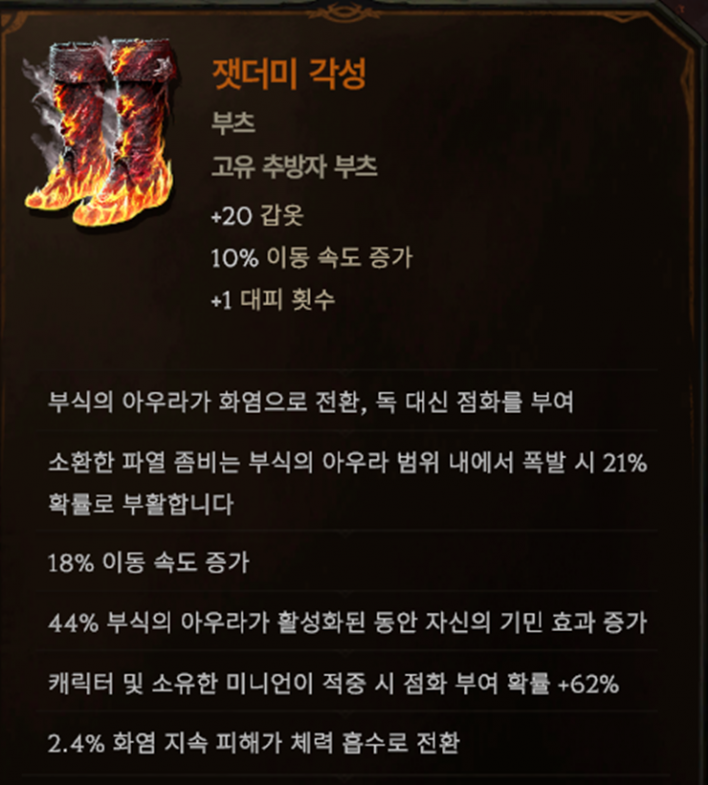
In Last Epoch, determining a build's strength isn't just about equipping good gear. A complete 'build' comes together when everything interconnects: which skill you choose as your main damage dealer, how you specialize that skill, what you enhance through passives, and how you cover weaknesses using gear and idols.
Choose Main Skill → Check Tags → Connect Specializations & Passives → Supplement with Gear & Idols → Advance via Unique Items
Once you understand this flow, it becomes much easier to determine what role a newly acquired skill or piece of equipment can play in your build.
1. The Start of a Build: Choosing a Main Skill and Checking Tags
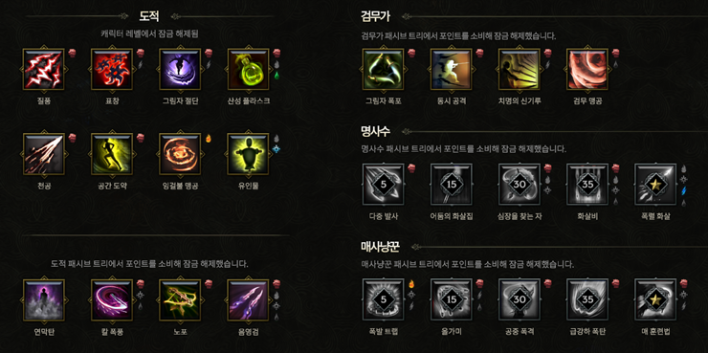
When creating a build in Last Epoch, the first thing you must decide is which skill to use as your main attack. Rather than upgrading multiple attack skills equally, it is better to pick one or two main skills and tailor the rest of your build around them.
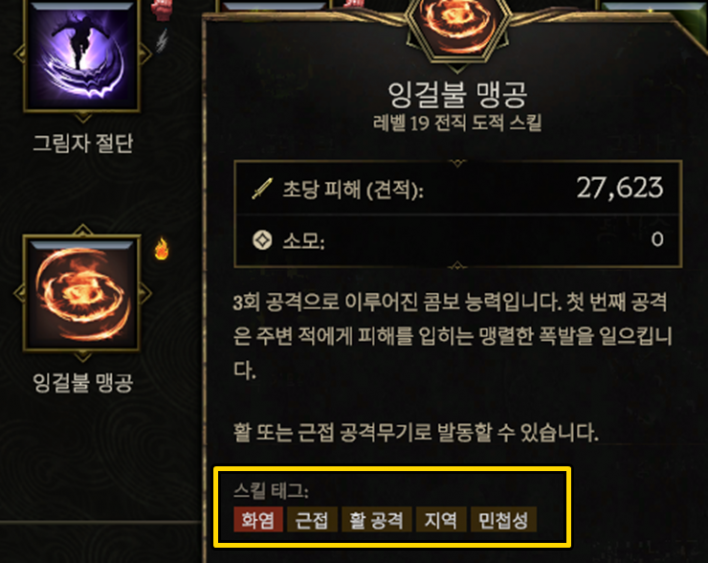
Once you've chosen your main skill, the first thing to check is the 'tags' displayed in the skill description. These tags reveal everything from attack delivery methods (such as Spell, Melee, Throwing, or Minion) to damage types (like Physical, Fire, Cold, or Lightning) and which stats scale the skill. For example, if you use a Fire Spell skill, modifiers related to Fire and Spell will enhance it. Even if an option looks high in value, if it doesn't apply to your main skill's tags, it won't actually help your build.
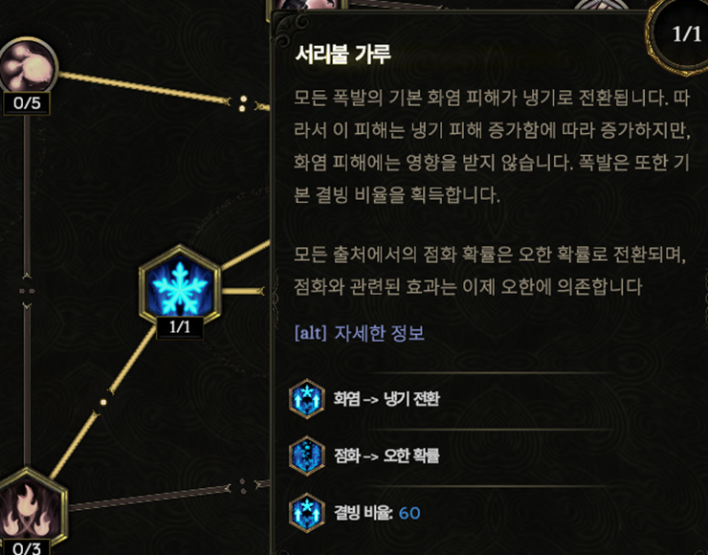
Because certain nodes in skill specialization trees can alter a skill's damage type or mechanics, it's important to make build decisions based on the current, actual tags of the skill you are using.
2. Skill Specialization: The Same Skill Can Grow in Many Directions!
In Last Epoch, you can specialize active skills to customize and empower them further. As your character levels up, you can specialize in up to five skills, each possessing its own independent specialization tree.
Specialization trees contain not only nodes that boost basic stats like damage or attack speed, but also nodes that convert damage types or alter the attack mechanics entirely. Some nodes even trigger other skills automatically or apply buffs and debuffs, fundamentally changing how your build functions. As a result, two characters of the same class using the same skill can end up with completely different builds depending on their chosen specialization nodes.
When setting up a specialization tree, rather than simply selecting flat damage increase nodes, it's crucial to first decide on your desired playstyle and damage type, then choose nodes that synergize along that path.
3. Don't Just Stack Offense: Balance Your Skills
Just because you can specialize up to five skills doesn't mean you should pick five pure attack abilities. A typical build balances a primary damage-dealing skill with movement skills, survivability tools, and buff or debuff abilities.
If a build heavily consumes resources like Mana, a skill to sustain your resource pool might be necessary. For a Minion build, skills that buff your minions become far more critical than direct attack skills.
Passives should be chosen using the same approach: secure offensive benefits that connect to your main skill while covering gaps in sustain or defenses. Keep in mind that your primary defensive layer—such as Armor, Ward, or Dodge—will vary depending on your class and Mastery.
The key is that every skill and passive choice must have a purpose behind it. Instead of blindly picking nodes that look good individually, ensure every component aligns toward a unified direction centered around your main skill.

4. Gear and Idols: Puzzle Pieces to Fill the Gaps
Once skills and passives set your core direction, gear and idols amplify your strengths and cover your weaknesses. Gear value shouldn't be judged purely by rarity; you must evaluate whether an item carries affixes that scale your main skill or address your defense and resource needs.
For instance, if your damage is fine but you constantly run out of Mana, solving resource sustain will benefit you far more in real combat than adding more damage modifiers. Conversely, if survivability is solid but killing enemies takes too long, you'll need to double down on offensive stats.
Idols serve a similar role. You can use them to patch up missing stats or harness affixes tied directly to specific skills or mechanics to elevate your overall build.
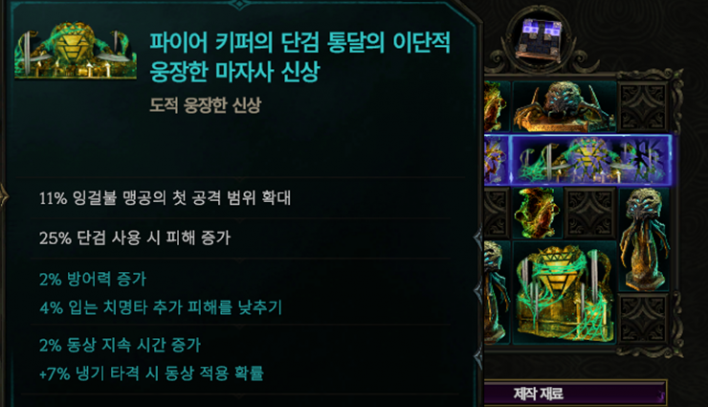
5. Unique Items: Special Elements Unobtainable Elsewhere
While standard equipment provides baseline stats, certain Unique items can fundamentally alter how a build functions. Unique items exist that shift skill damage elements, grant entirely new mechanics, or connect unrelated skills and systems to unlock brand-new build archetypes.
Because of this, a natural progression is to build around a skill you enjoy first, then upgrade your build as you find Uniques that synergize with it. Alternatively, finding an interesting Unique item first might inspire you to rework your skills and gear entirely to build around its unique properties.
However, an item being Unique doesn't mean it's automatically superior. If its special effect doesn't fit your current skill setup or build structure, it can be significantly less efficient than standard gear.