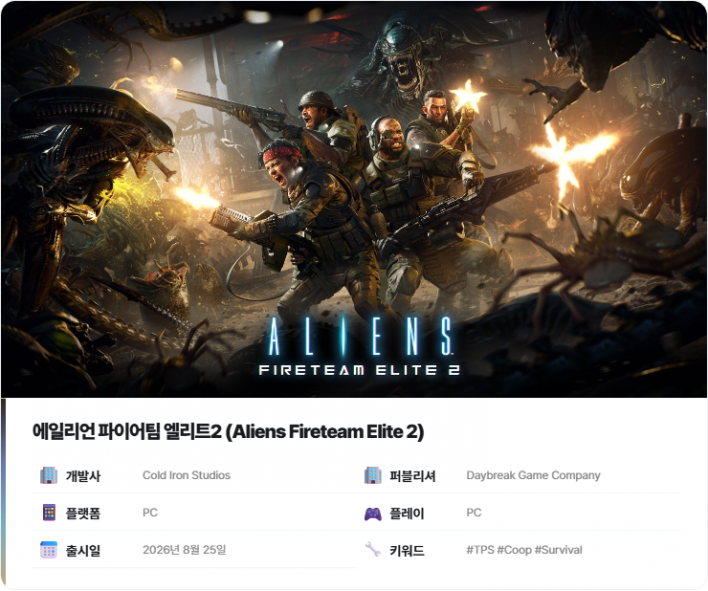
'Aliens: Fireteam Elite', which launched in 2021, has returned with a sequel. As a follow-up returning five years later, expectations naturally built prior to release that earlier criticisms—such as lackluster story development, flat gunplay impact, and repetitive gameplay—might have been addressed. So, does 'Aliens: Fireteam Elite 2' take lessons from its predecessor and show enough meaningful progress?
Upgraded Visuals, Same Core Fun as the Original


First off, Fireteam Elite 2 was developed using Unreal Engine 5, achieving a clear step forward visually compared to its predecessor. As you explore facilities, you naturally encounter traces left behind by Xenomorphs, and entering new areas evokes a well-crafted sense of grotesqueness and dread. In horror-based horde games like this, the atmosphere of the battlefield plays a major role in driving player immersion, and in that regard, Elite 2's environmental design easily passes the test.

Fighting off swarming Xenomorphs with a diverse array of weapon and skill combinations remains genuinely fun. In particular, the increased variety of enemy types compared to the original plays a big role in offsetting repetitive gameplay. This title doesn't feature only Xenomorphs just because it's an Alien game. Encountering unexpected enemies like firearm-wielding synthetic robots adds a welcome variation to combat encounters.
Indeed, when facing enemies that use guns, having to adopt a different combat approach—such as paying close attention to cover and concealment since the enemies shoot back—was a nice touch.
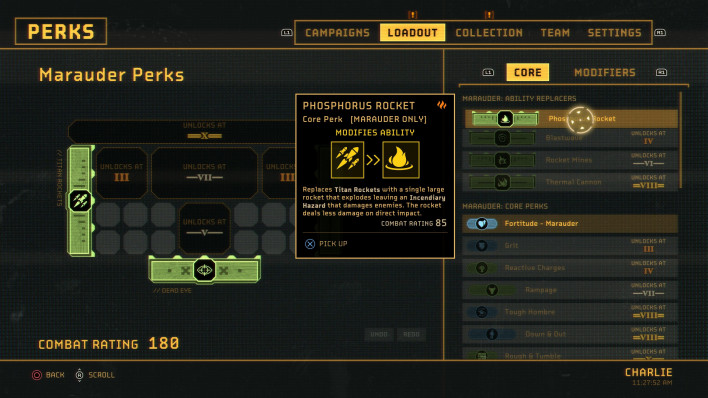
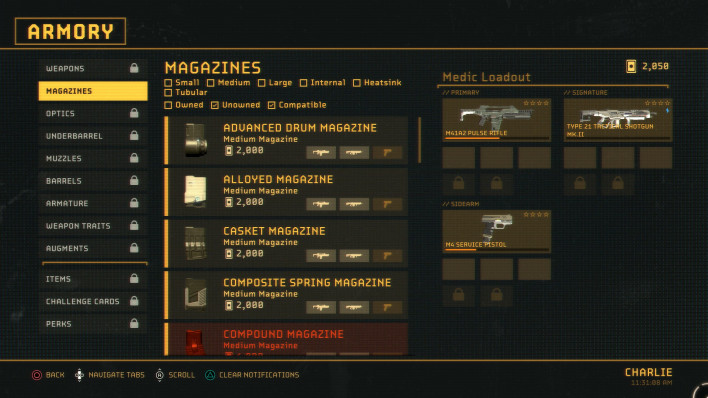

The upgrade and combat build variation systems, crucial elements in horde games, are also fairly well-designed. Players can tweak their perks and armory using points earned from battling Xenomorphs. As for combat variation, it offers choices such as focusing on area-of-effect damage or unleashing high single-target firepower. It gives players plenty to consider depending on their combat preferences and the specific mission they are entering.
Furthermore, class composition—another key element in this genre—is well-structured. From the mobility-focused Duelist to the Machinist using turrets and turret drones, to the Medic acting as a healer, the classes feel much more intuitively and neatly organized compared to the previous game.
Disappointing Aspects for a Sequel, Lack of Korean Support is a Major Blow

Undeniably, Fireteam Elite 2 retains visual advancements and the fun of the original—namely, picking a class suited to your preferred combat style and synergizing with teammates who chose other classes. The problem is that calling this a "sequel" feels generous, as the level of evolution feels closer to an expansion pack. There are even features that are completely unsupported.
Let's look at a few main examples. First, hit feedback is vital in shooter games like this. The feedback returned when firing a weapon and landing shots on enemies needs to be distinct to make the gameplay engaging. Unfortunately, the gunfire sounds and impact feel in Fireteam Elite 2 remain identical to the first game. This runs completely counter to the improved visuals, making the flaw stand out even more.
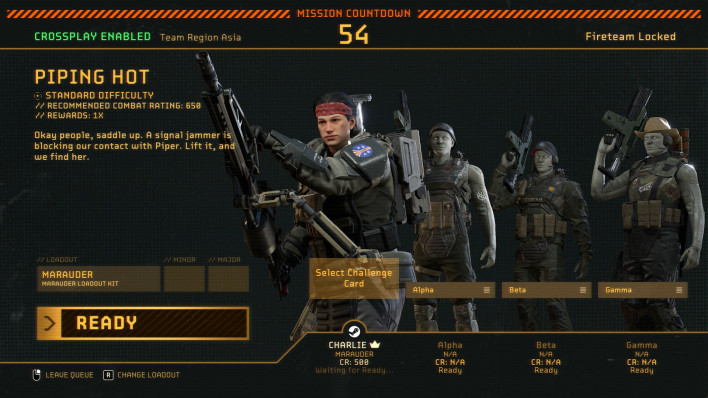
Although co-op is the core foundation, the complete lack of meaningful single-player support is also disappointing. If you enter the battlefield alone, bots fill out the remaining squad slots. The problem is that these bots lack special abilities like real players, merely providing basic shooting and revive assistance. As a result, you cannot expect skill synergies compared to playing with human teammates.
On top of that, you have to deal with swarming Xenomorphs using only your own skills. Considering that matchmaking speed varies by region, and taking into account players who prefer playing solo, the bots should have provided better support rather than serving as mere headcounts.

Optimization issues that disrupt movement and combat cannot go unmentioned. Providing a smooth experience is critical in shooter and co-op games where every split second counts, but Fireteam Elite 2 failed to deliver a smooth performance at launch.
Whether it is because the next area is procedurally loaded upon approaching a doorway, stuttering consistently occurs every time you cross through a door. Currently, if combat with Xenomorphs breaks out right as you transition to the next area, players inevitably endure a frustrating experience. A prompt patch seems necessary for a smooth gameplay experience.

In addition, awkward Xenomorph animations that pop up occasionally, the lack of in-game voice chat despite being a co-op game, and narrative quality—including dialogue—that remains stuck at the previous title's level make it feel like there are far too many shortcomings for a sequel charging nearly 70,000 won.
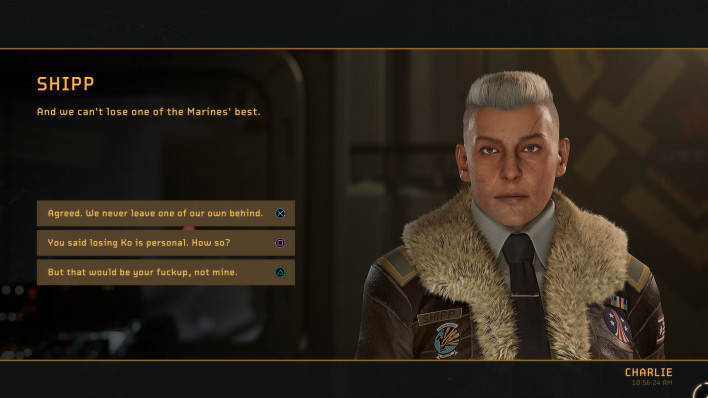
Specific to Korea, another disappointment is that unlike the original title which supported Korean, this sequel does not. Korean subtitle support was previously listed on the Steam store page, but it was removed about two weeks before launch.
As the lack of Korean language support became a confirmed reality near launch, it left significant disappointment for players who expected localization. Furthermore, while Fireteam Elite 2's narrative is not particularly outstanding, there is naturally a massive difference in immersion between playing a game with translation versus without one, and reading English while managing character builds adds twice the fatigue.
No More Complacency Resting on the IP
To be frank, the developer needs to coolly reflect on whether this game could have commanded this level of attention if it had been released as an original title without the 'Alien' branding. Some players may turn a blind eye to its flaws and adjust their expectations downward, reasoning that "there aren't many horde games utilizing the Alien IP."
Games leveraging famous IPs naturally attract significant interest without extraordinary effort from the developer. Yet this very advantage can tempt studios into complacent development reliant solely on IP power. 'Aliens: Fireteam Elite 2' illustrates that pitfall all too well.
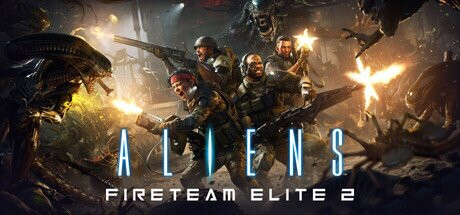
- Visuals improved over the original thanks to the engine upgrade
- Monotonous combat improved with the addition of diverse enemy types
- Gunshot sounds and hit feedback remain underwhelming
- Lackluster support for single-player
- Stuttering that disrupts the combat experience
Review Platform: PC (Release Version)