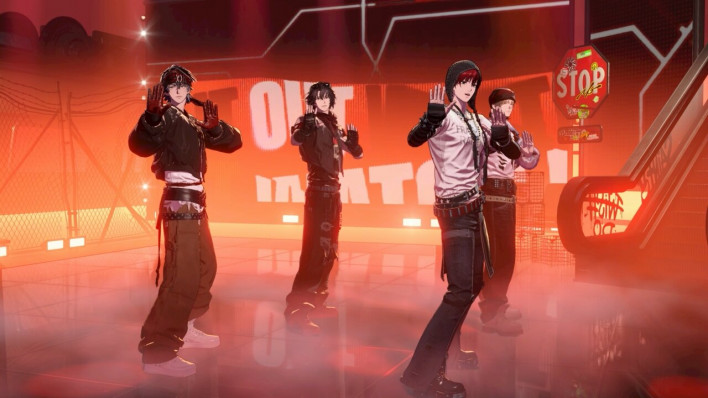
Elementa's immersive 3D idol mobile game 'V Project', which was unveiled on January 29, has taken its first major steps forward today with the release of its official PV and a rebranding to 'StarToU'. With this reveal, players can directly experience the aspects of an idol game that elevates immersion to another level through 'Cel-Shaded Plus' technology—maximizing vivid character expressiveness alongside near-realistic background rendering and dynamic lighting.
When only a few initial images and the project name were revealed, it seemed like nothing more than an existing idol game format with upgraded graphics and a slightly more detailed depiction of daily life. However, through the two newly released PVs, StarToU's ambition to take a distinctly different direction from existing idol games has gradually come to light.
No More Gentle-Only Idols: A More Rebellious, Free-Spirited Idol Group
When thinking of Elementa, 'Silver Palace', which was unexpectedly revealed last year, might be the first thing that comes to mind. However, tracing back their roots leads to 'Ensemble Stars!!', one of the leading titles in male idol producer games. Of course, when looking at their styles, 'StarToU' and 'Ensemble Stars!!' are quite different. This is because 'Ensemble Stars!!' actively adopted the Japanese anime style familiar to subculture gamers, particularly idol anime aesthetics. In fact, looking at idol games whose IPs continue to this day, Japanese names are standard, and both character designs and exaggerated costumes tailored to unit themes for the stage reflect a full Japanese idol style. Furthermore, except for a few exceptions, character physiques are generally slender, soft, and lightly built.
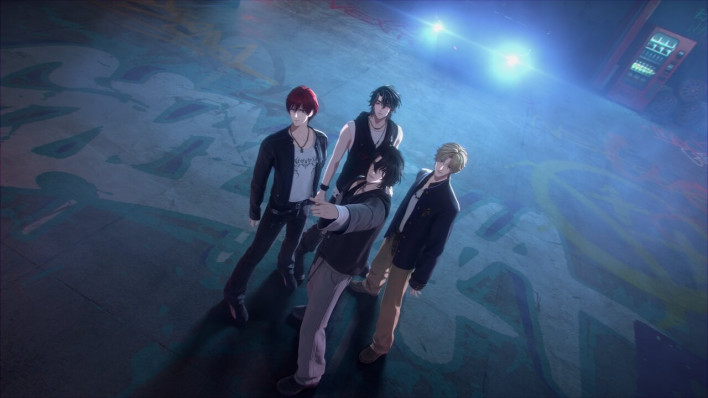
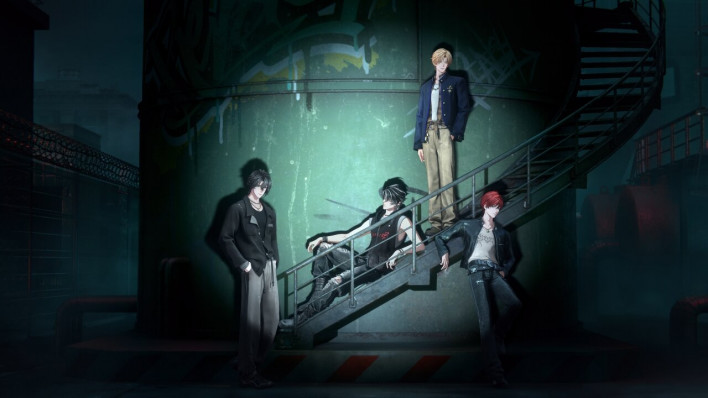
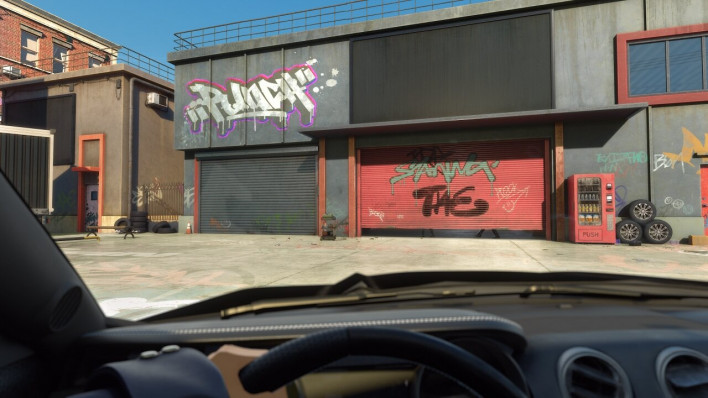
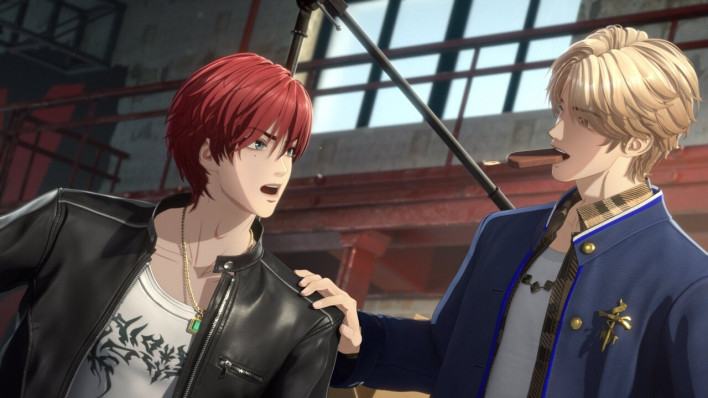
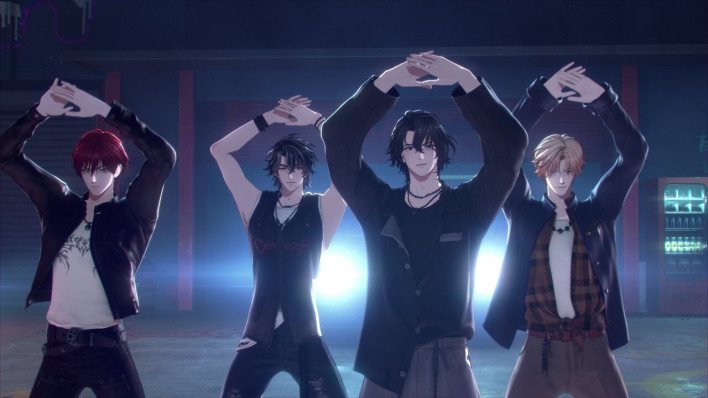
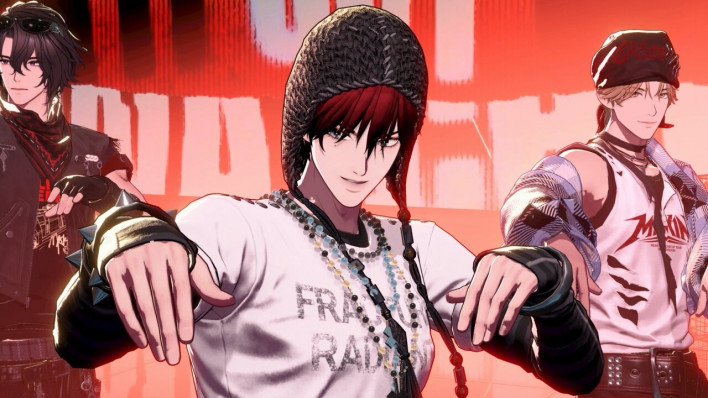
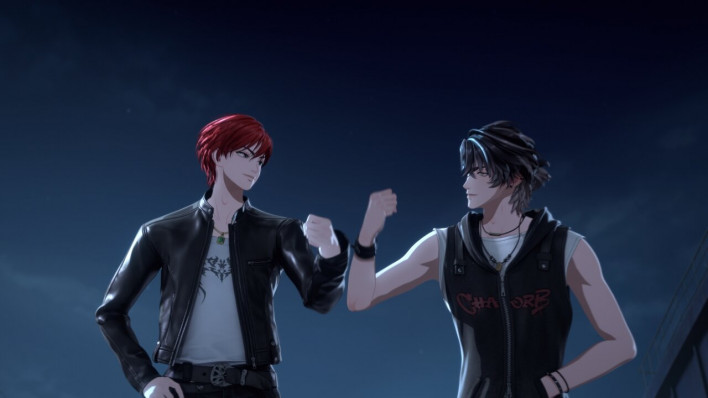
As such, this latest PV for 'StarToU' was all the more surprising. Introducing MacGuffin, one of the main groups, the trailer not only introduces the four members—Tay, Yoora, Lim, and Noki—but begins abruptly with the members fighting. Choosing a rundown garage with graffiti on a shabby street, a setting historically avoided in female-oriented idol games, along with props that exude a gritty vibe, was another great touch. These elements stand in direct opposition to the bright, sparkly tone traditional male idol games have relied on, along with frequent talk of getting along or joining forces. To top it off, after two members exchange fists, the words "Let's just disband" immediately blurt out.
When members fight like that, a typical idol game PV would highlight the reconciliation process or show the delicate dynamic between the parties involved, but this trailer skips all of that. The other members simply react as if to say "there they go again" and move on. They continue acting independently until practice and music video shooting, where they synchronize professionally as if nothing ever happened. Their casual attire, as well as their MV and stage outfits, also project a much more natural and powerful feel.
K-Pop Idol Style Focusing on Daily Life as Artists
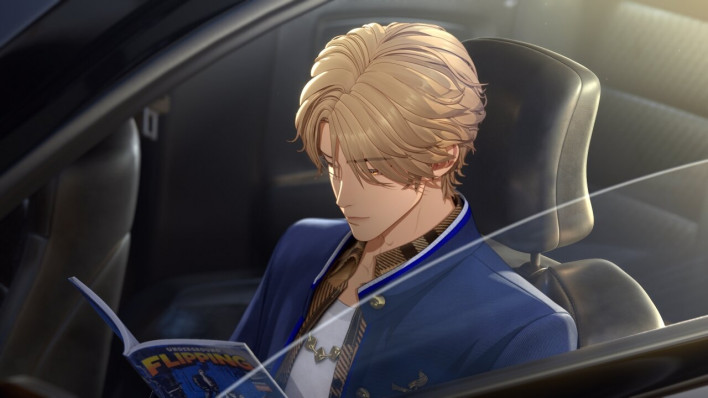
'Professional'—this word is another point worth noting. Looking at previous idol producer games, most follow a formula where players watch idols grow step-by-step. Aligned with that theme, character ages usually range from middle to high school students, and to emphasize that they are still students with room for growth, they are typically depicted with slender physiques. However, 'MacGuffin', the group shown in this PV, depicts true professionals who stay focused on their craft even when tearing into each other. Accordingly, the focus frequently falls on details meant to convey a tougher, more rebellious image—such as motorcycles, and trapezius muscles, forearms, and lats peeking through sleeveless shirts.
In fact, efforts to break away from the dominant subculture idol tropes have become increasingly active in the 2020s. Although it centers on female idols, the manga 'Girl Crush'—which tells the story of a protagonist moving from Japan to Korea to become a K-pop idol—was even greenlit for an anime adaptation. In the male idol scene, the virtual idol group PLAVE, which debuted in 2023, is a prime example. Looking at PLAVE's 3D models, instead of the slender and delicate builds typical of subculture male idols or virtual idols, they feature lean, tall proportions with broad shoulders that incorporate masculinity. By utilizing motion-capture technology from real performers, they created realistic yet immersive stage performances.
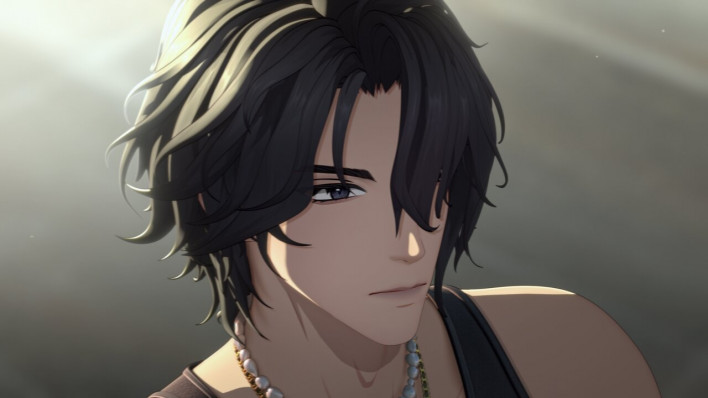
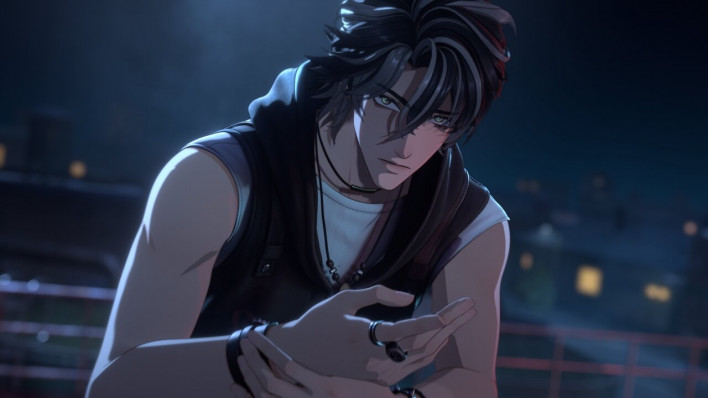
With the group MacGuffin, 'StarToU' has attempted to bring this fresh style into the game itself. Physiques that look lean yet forged through rigorous training, precise color and shading to capture them, and faces with detailed, sharp anime-style eyes paired with realistic proportions—this distinct identity was firmly established in less than two minutes.
Combined with hip-hop-style beats and powerful choreography, it became clear that MacGuffin is pursuing a style closer to real-world boy groups rather than traditional Japanese subculture idols. Viewing the stage version of the PV, unlike exaggerated, overly ornate stage costumes tailored to specific themes, their outfits lean closer to streetwear while highlighting each member's individuality.
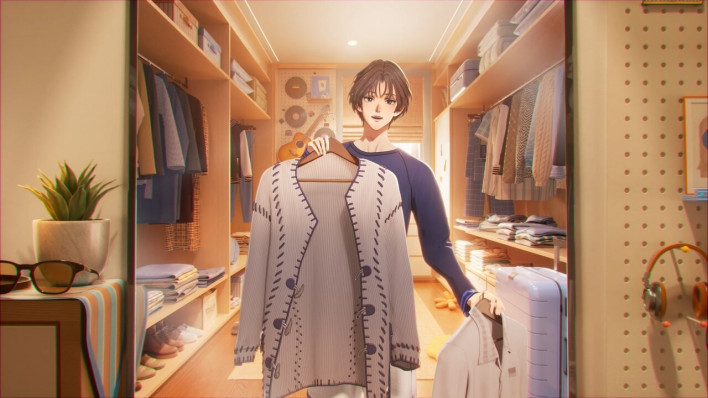
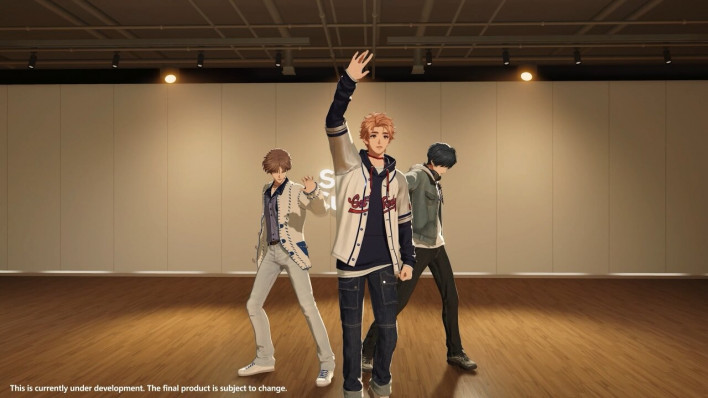
Looking back at the videos released when 'StarToU' was still known as V Project makes this direction even clearer. Although practice room scenes are included since they are trainees, another key difference is that the practice room is portrayed as a natural part of daily life rather than a place of arduous struggle to overcome weaknesses. For Japanese subculture idols, practice is certainly part of daily life too. However, because they are fundamentally framed as students who need to grow, practice room scenes often carry a strong sense of intense training to master what they couldn't do before. Once they grow and establish themselves, the group is highlighted as symbols representing specific themed stages and songs, making practice room scenes rare later on. As such, highlighting the practice room from the very beginning stands out significantly.
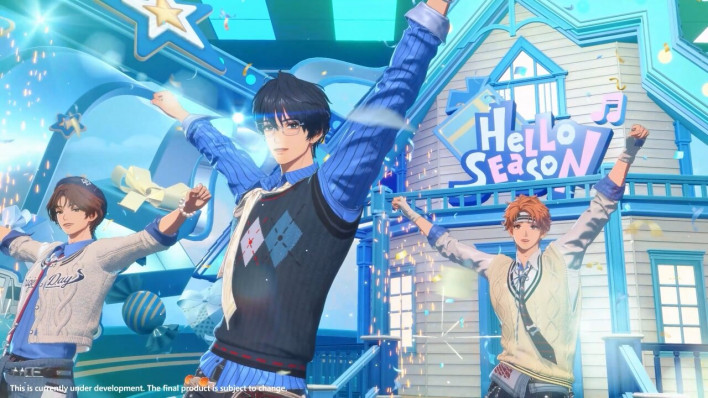
An All-Around Structure for Natural Immersion: 'StarToU' Opens Pre-Registrations
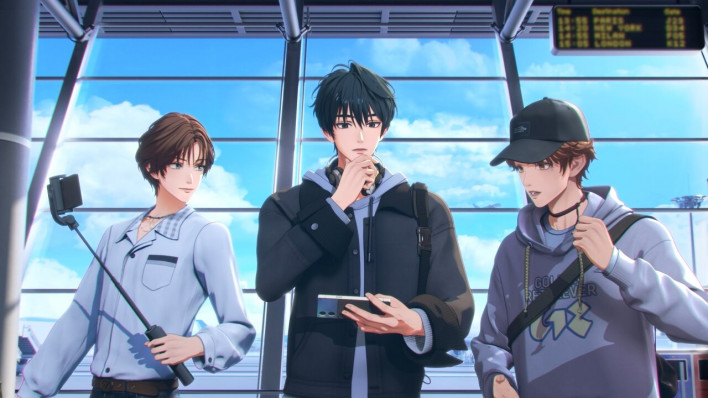
Traditionally, subculture idol producer games focused heavily on MVs and appealing character concepts. Japanese subculture idol media mix projects aimed to expand from these concepts and characters into games and anime adaptations. However, as K-pop has begun influencing Japanese subculture and cel-shading and motion-capture technologies have advanced, the genre is moving in a new direction. This shift is clearly evident in the 'StarToU' PV. From its initial reveal, rather than emphasizing each member individually, it highlighted conversations between members, naturally showcasing their chemistry and daily life.
Of course, with idols at the center, StarToU will likely feature a rhythm game at its core, as most producer games do. Since music is essential to idols, designing the experience around music-driven rhythm gameplay is natural. The main challenge will be how it weaves interactions with idols and story progression around this foundation.
In the newly revealed in-game footage, players can experience a multi-branching story through memory reconstruction within the idol world. Meanwhile, in the music realm, rhythm gameplay takes center stage alongside interactive elements and live stage performances. Before a show begins, players can customize characters, outfits, and card combinations to craft their own unique stage. The game's refined graphics also stand out, capturing a grounded, realistic tone while successfully avoiding the uncanny valley. The beats and choreography reminiscent of an actual boy group performance were equally impressive.
'StarToU' is a title that boldly breaks away from traditional idol game conventions. At the same time, it faithfully delivers the immersive, multi-angle experience that idol fandoms desire. While it may be too early to make definitive judgments during this early reveal phase, 'StarToU' seems poised to make waves in many ways. From higher-quality graphics to an idol presentation that blurs the line between virtual and reality, it already shows a distinct direction from standard subculture tropes. With pre-registrations now open, anticipation is high for the new world 'StarToU' will introduce as it takes its first real steps.