It might sound a bit odd, but I’d like to talk about my MBTI. I tend to oscillate between INFP and INFJ, though the I and F are constants. Or perhaps consider this template: a single person in their 30s, diligent and meticulous at work, but lacking any real passion. (Omitted) Not a bad person, but someone with no defining characteristics—a faint presence.
The reason I’m bringing up this seemingly random small talk is that it ties directly into the core appeal of 'Tomodachi Life' (known in Korea as 'Friend Collection Island'). The gameplay that defines the 'Tomodachi' series is all about observing the lives of Miis—those quintessential Nintendo avatars—and managing their environment, creating a series of small, ongoing interactions.
In fact, as my MBTI suggests, I am an extreme introvert, so I find small talk quite daunting. I said I fluctuate between P and J, but I’m really a P. I only put on the 'J' mask when things are at a standstill and someone needs to take charge to keep things moving. I’ll draft a half-baked plan, lead tentatively, and then hand it off as soon as someone more capable appears. This might mean I’m not well-suited for systematic simulation games, but regardless, 'Tomodachi Life' makes me want to just watch and gradually find my rhythm.
I don't want to definitively label 'Tomodachi Life' as a game for people who dislike simulations. Rather, I want to talk about how it draws players in with seemingly trivial elements and a design that leaves plenty of room for the player to fill in the gaps.
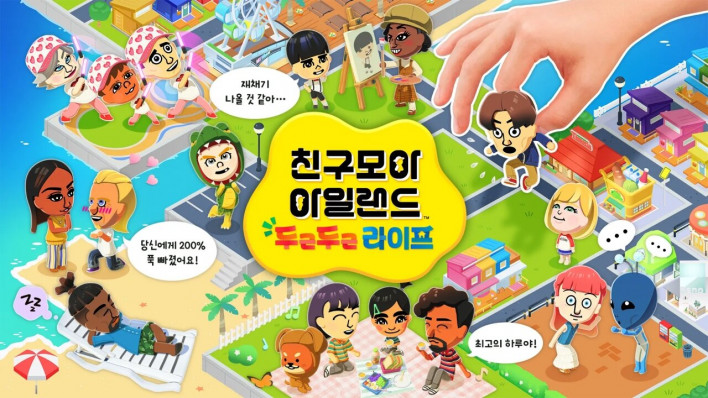
A World of Miis Where Things Don't Always Go as Planned
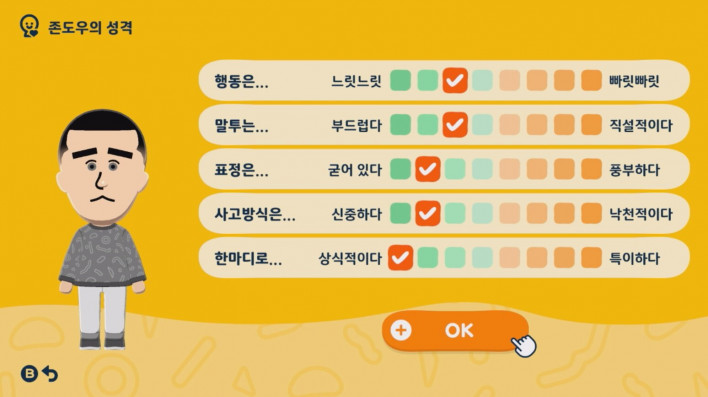
If you’ve played the previous title, you’ll immediately understand why I brought up MBTI. The game begins after you name your island and start creating the Miis that will live there. While the customization doesn't offer the freedom to sculpt every detail, there is an unexpected charm in setting the basic facial contours and filling in the rest as you please.
You can use both the Joy-Con and the touchscreen to draw, so if you’re confident in your art skills or have a bizarre idea, you can really go for it. These games are best enjoyed with a sense of humor, and the design is clearly optimized for that. The TTS (text-to-speech) voice customization feels intentionally comedic, and once you realize that, all the game's quirks start to make sense. Of course, if things get too excessive, you can always change the settings, which keeps the pressure low.
The gender selection now includes options beyond just male and female, and there are fewer restrictions on sexual orientation compared to the previous game. While this may be a point of contention for some, it makes sense given the genre's focus on highlighting how the user's choices shape the characters' lives.
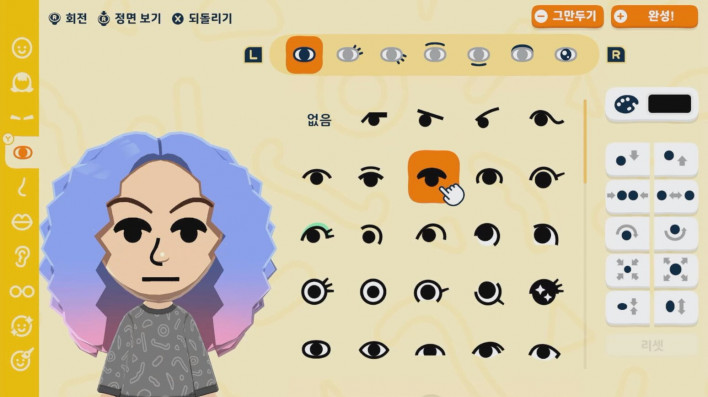
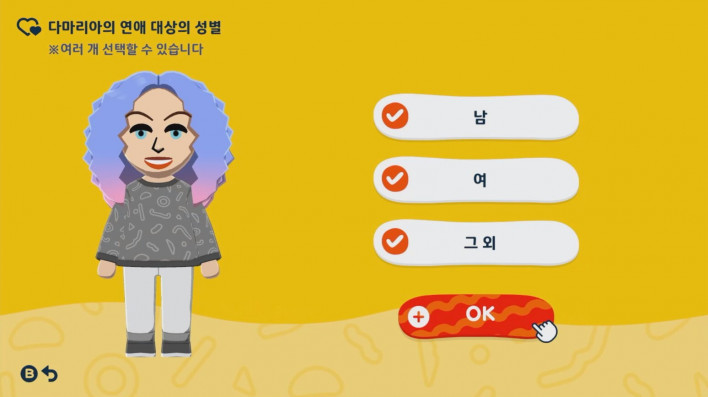
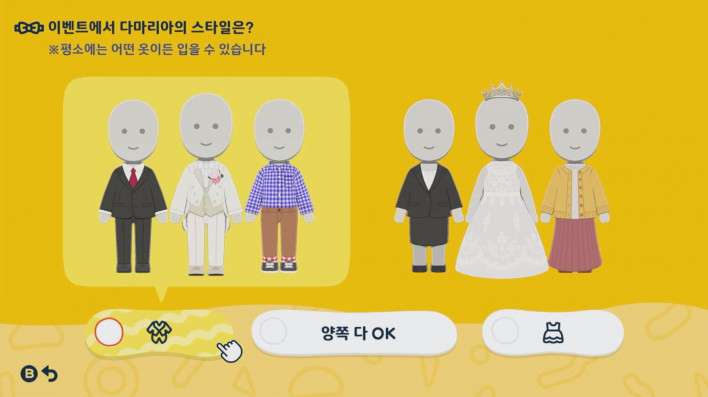
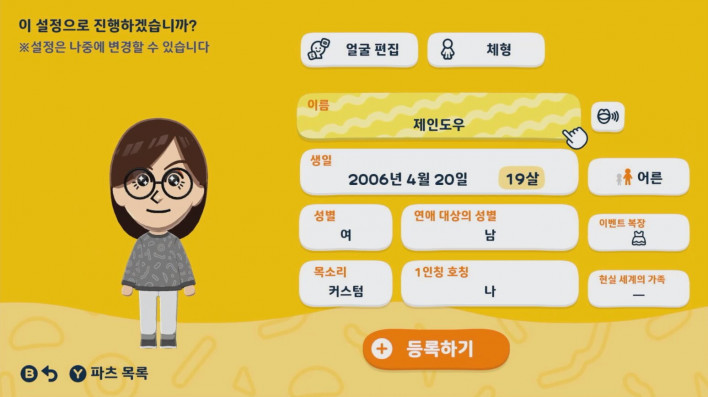
By default, characters are set to pursue relationships with the opposite gender unless specified otherwise, so there’s no need to worry about unintended relationships. The joy of this genre is watching lives you wouldn't lead yourself, but that doesn't mean you should be forced to see things you don't want to. It feels like a good balance of freedom and boundaries. While it might remind some of 'The Sims'—which can get quite wild—'Tomodachi Life' has safety measures in place to block problematic content. You can rest assured that the wholesome image associated with Nintendo remains intact.
That covers the concerns you might have had before creating your Miis. Once you’ve fine-tuned their voices and personalities, island life begins. Honestly, at this stage, the game isn't very fun. Naming them something silly is funny for a moment, but then you're just doing chores to meet their demands. Renovating the island feels lackluster, and looking ahead at future content doesn't offer much excitement. You might find yourself asking, "So, what now."

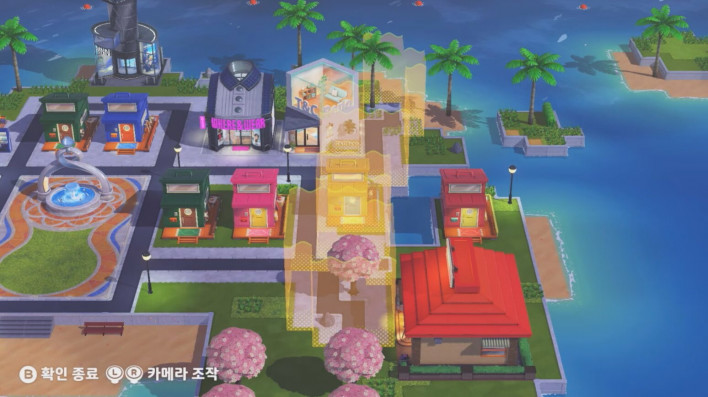
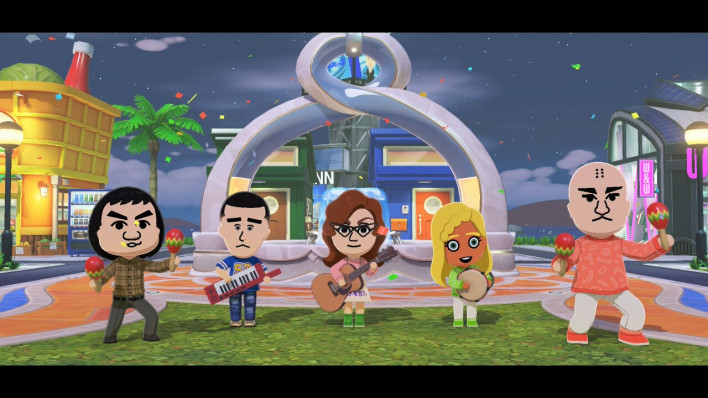
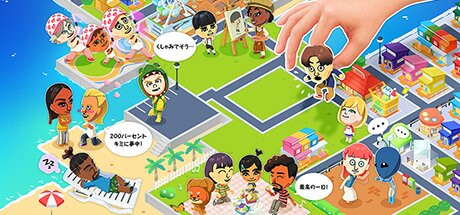
That impression changes as the island fills up with Miis of different personalities. At first, their interactions are almost too wholesome, which can feel a bit bland. But as they start to become aware of each other, the drama begins. From that point on, you act as a mediator, listening to their stories and helping them out. Watching how these small moments accumulate to change their relationships and behaviors is quite fascinating. There are no grand action sequences, but watching them pout, grumble, seek advice, and flail their short limbs in effort is undeniably cute.
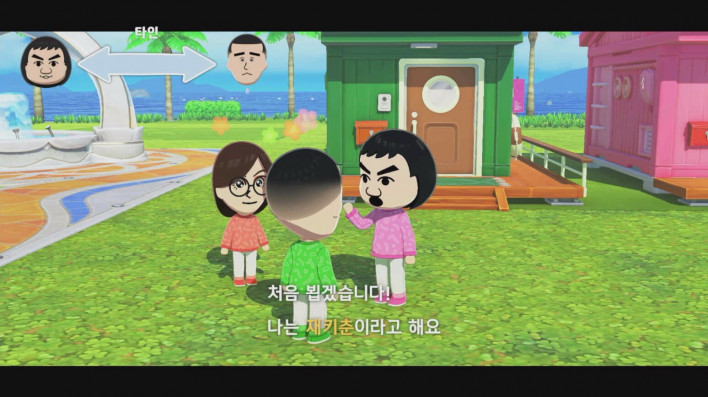

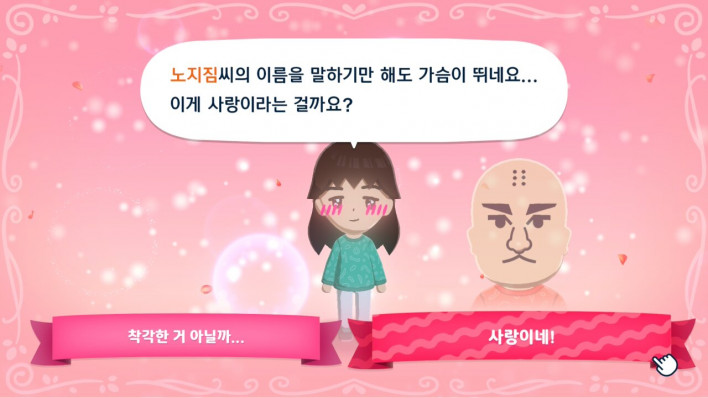
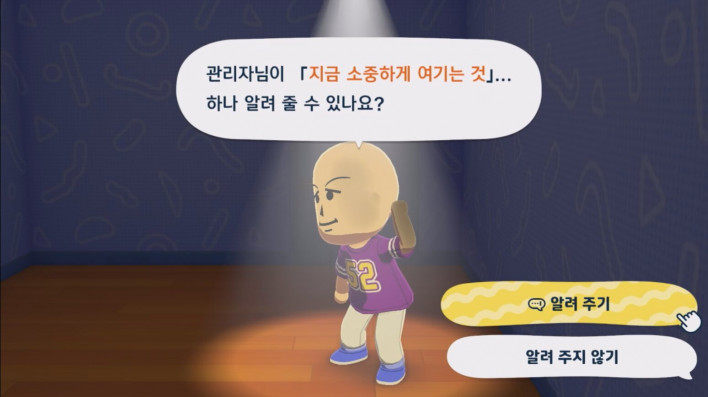
Watching the Miis create their own stories—even producing their own news segments—is a small joy in itself. When you log back in after a break, the game summarizes what happened in a highlight reel, much like a reality show, which is a nice touch.
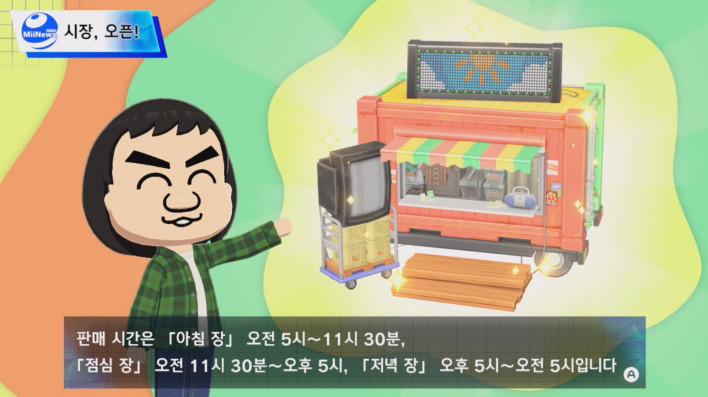
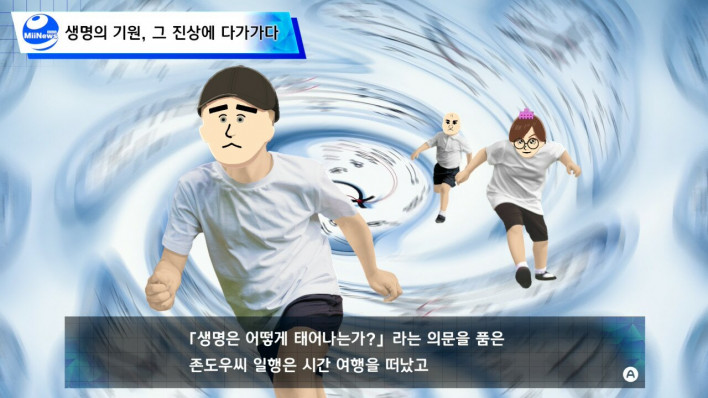

The Joy of Building Through Small, UGC-Infused Changes
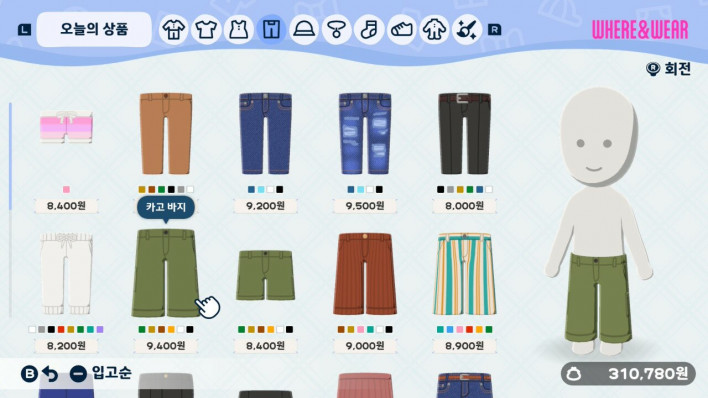
As I’ve emphasized, 'Tomodachi Life' doesn't feature massive, sudden changes. Like many simulation games, it starts slow, but 'Tomodachi Life' is on the smaller side of the scale. There’s very little to manage, and since Miis don't die, there’s no need for high-pressure micromanagement.
In other words, it’s hard to define a clear reason to play. But that is the game's philosophy. The fun comes from the flow: Miis bickering over trivial things, making a fuss, or going off on bizarre tangents. These unexpected moments might provide hints for new buildings or lead to valuable treasures, which is what keeps you watching.
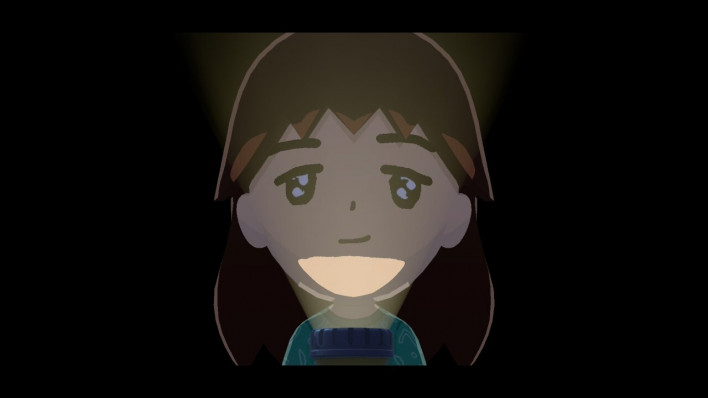
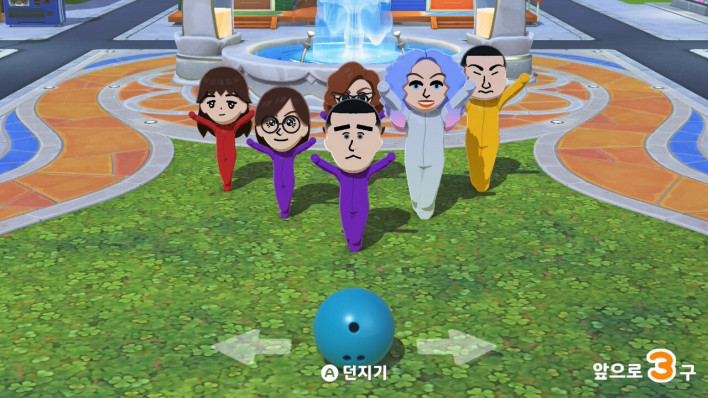
These changes aren't dramatic enough to overhaul everything at once. Island renovations unlock slowly, and pushing the Miis for faster progress yields limited rewards. If you're the type of player who likes to maximize efficiency and follow a strict tech tree, you might find this frustrating.
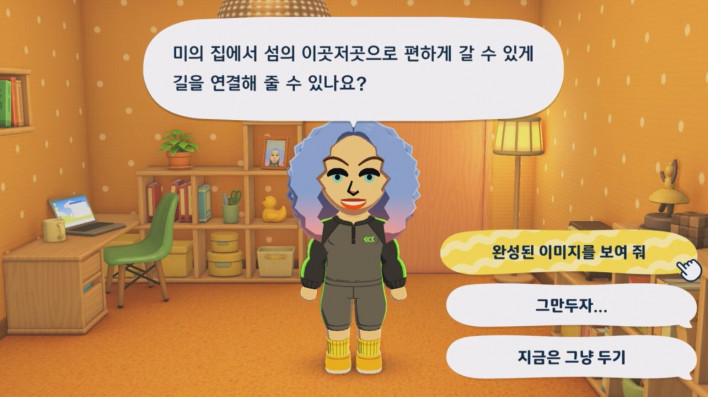
Instead of radical change, 'Tomodachi Life' focuses on what the user creates. Just as you draw Mii faces on the touchscreen, you can create food and clothing and see how they react. You can even input words for topics they find interesting, further developing the personalities of the Miis in your world.
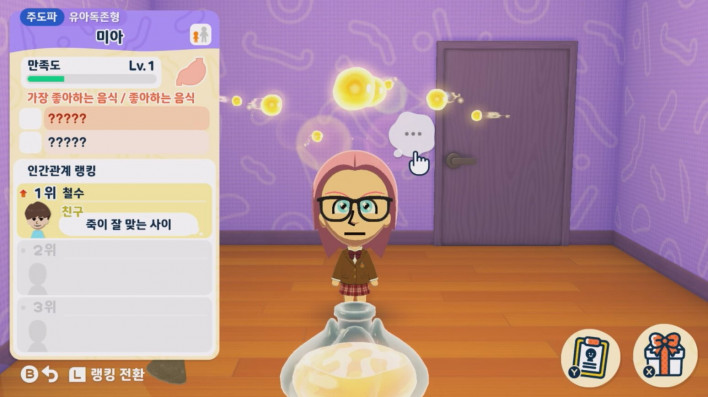

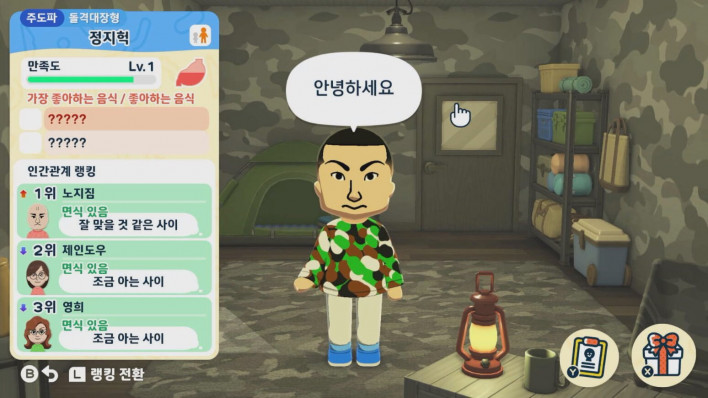
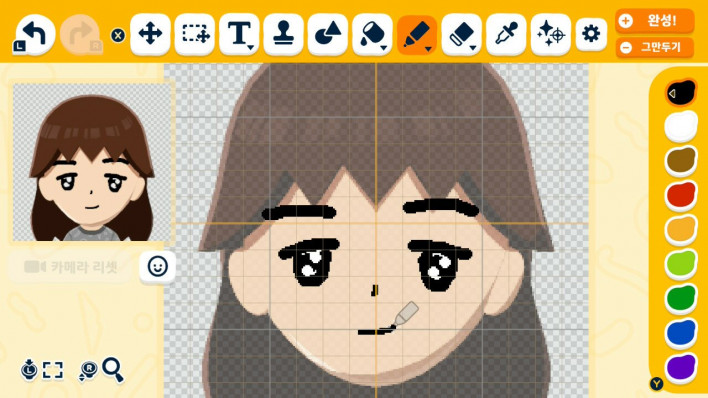
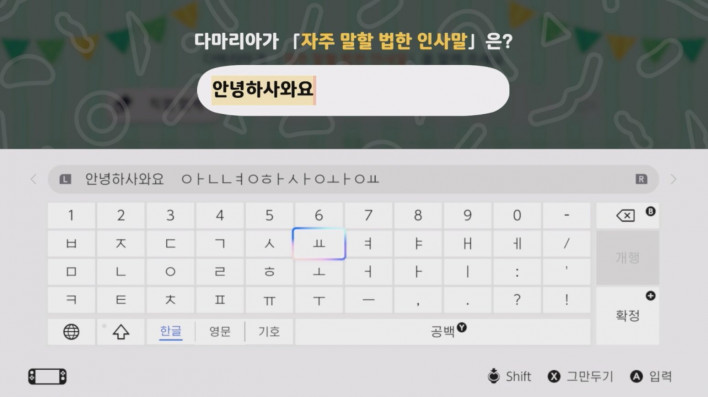
Compared to major construction projects like adding facilities, these things seem small. But 'Tomodachi Life' finds its fun in observing how these small details accumulate to change Mii behavior and communication. It’s like watching a child you’ve taught something new start to create their own rules and games with friends. The satisfaction of seeing how they react to something you made yourself is undeniable. It lacks the dynamic, hands-on gameplay of typical titles, but it maximizes the joy of observation.
'Tomodachi Life' presents all these steps gradually, without rushing, until you lose track of time. Watching Miis dream or ponder, giving them gifts, and seeing compatible Miis start jogging or dancing together—the process of building a community is clearly visible. There are no sudden dramatic shifts, but it’s like marking a child’s height on a doorframe. Even when they fight or fail to reconcile, watching others step in to comfort them or seeing them make up over a gift is rewarding.
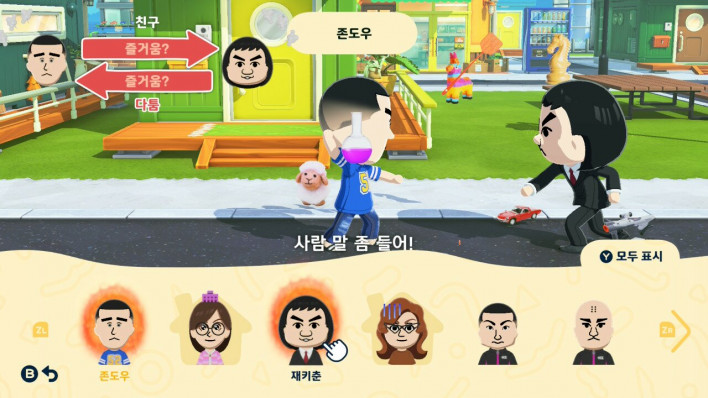
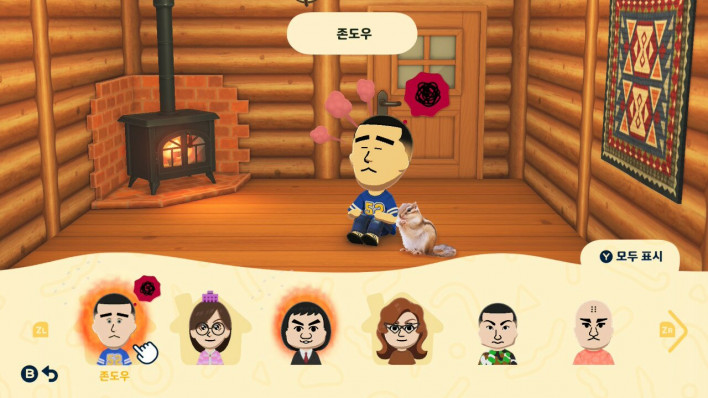
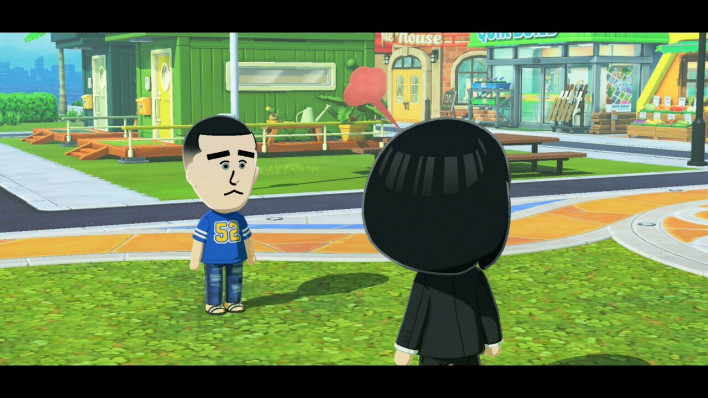
The game doesn't force anything or present difficult tasks, which is the secret to its slow-burn appeal. The silhouette or mosaic quizzes are absurd, but they feel more like playing around than a test you must pass. They become patterned enough that you’ll eventually solve them easily, so they don't disrupt the flow. When you realize how they’ve cleverly incorporated something you created into a quiz, you can’t help but laugh at the ingenuity. It’s a small thing, but the idea of building such special moments from trivial details is impressive.
'Tomodachi Life': Short yet Long, Empty yet Fulfilling
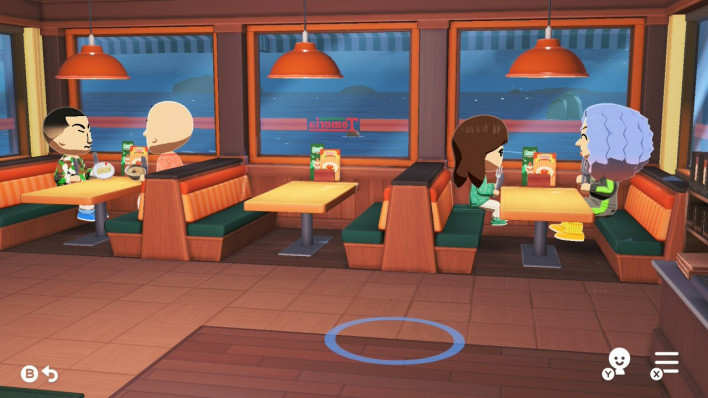
'Tomodachi Life' is a difficult game for hardcore gamers to grasp. There are no clear goals, no dramatic changes, and no intense challenges. In some ways, it’s even more unfamiliar than 'Animal Crossing,' which at least gives you the intuitive goal of paying off your debt. Here, even that is absent.

Instead, 'Tomodachi Life' is a game that spreads small, observational joys, and its design excels at that. Between the absurd, pure-hearted TTS dialogue and the unpredictable interactions of these 'pure souls,' you get the same appeal as a reality show. You can intervene to create certain scenarios, only to have them fall apart, forcing you to find new ways to steer the narrative. Or you can create your own memories by giving them items and watching them play out bizarre skits.

That said, 'Tomodachi Life' isn't perfect. Given the focus on UGC, one would expect the ability to exchange content, but unfortunately, it only supports local, not online, exchange. This is likely a measure to prevent inappropriate content from circulating, but it’s a shame given the current trend of sharing user-created content.
The creation tools are also limited to basic pens, paint, and stamps. Drawing symmetrical faces is quite difficult for non-artists, and features like decals would have greatly enhanced the customization experience.
The lack of weather or seasonal elements, despite the real-time clock, and the absence of content for group activities are also disappointing. Features from the previous game, like the opinion poll, compatibility tester, and question time, were great ways to see new sides of the Miis. Their removal makes an already subtle series feel even thinner. While Miis with similar hobbies or personalities still interact, it’s hard to find common ground for those who don't.

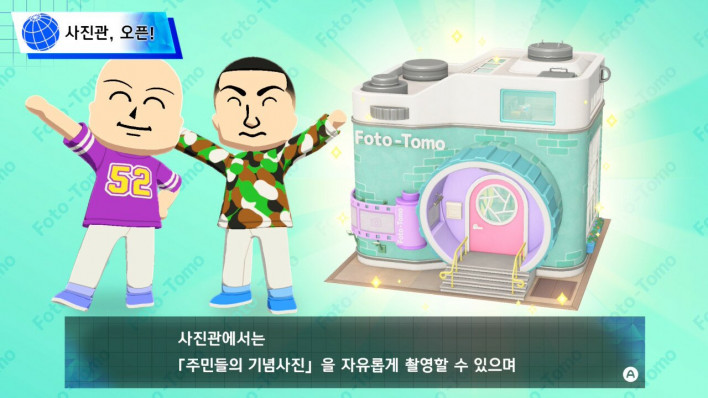
I may have sounded impatient after praising the slow, observational fun, but as the Mii society grows, you naturally want to provide more depth. 'Tomodachi Life' falls a bit short here. The foundation is solid and allows for some player-driven supplementation, but the lack of diverse tools makes the late game feel less flexible.
Even so, the philosophy of finding joy in the small things is clear. While it stops short of being a perfect 'healing' game, its unique, subtle charm is worth noting if you’re feeling restless and in need of some comfort.
- Bizarre, witty Mii interactions and humor
- Intuitive design that guides without force
- Item creation that lets your creativity shine
- Exchange system limited to local play
- Lack of content for group activities
- Basic, limited item creation features
Review Platform: Nintendo Switch 2 (Launch Build)

Sort by:
Comments :0