When I received the pre-test build, I must admit I was half-excited and half-concerned. The 'Game of Thrones' IP has a massive, dedicated fanbase, and there is no shortage of past attempts at game adaptations that failed to hit the mark.
Even Telltale Games, which once left a significant mark on the adventure genre with its 'The Walking Dead' series, failed to properly adapt this IP, and few people even remember the 'Game of Thrones RPG' released by Cyanide Studio in 2012. These two titles clearly demonstrate how difficult it is to successfully translate an IP of such immense weight into a game. That is why I was curious to see what kind of differentiated experience 'Game of Thrones: Kingsroad' might offer.

The Most Chaotic Moment After the War of the Five Kings
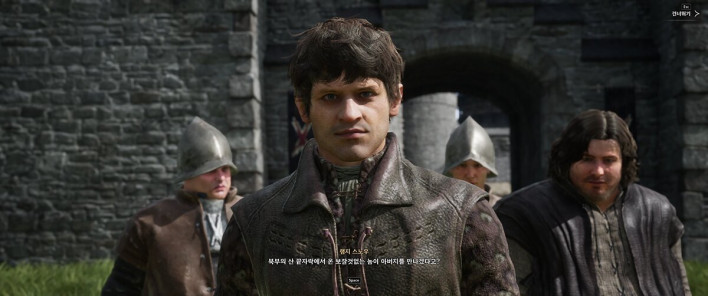
'Game of Thrones: Kingsroad' is set in the latter half of Season 4 of the show, in a Westeros still reeling from the 'War of the Five Kings.' Roose Bolton has established himself as Warden of the North, and Jon Snow and the Night's Watch have just issued a call to arms to prepare for the threat beyond the Wall. Fans of the original work will recognize the tension of this moment. Some have died, others have just seized power. It is a moment where nothing has converged toward a conclusion yet—perhaps the most taut, suspenseful point in the entire series.
Players begin the game as a bastard of House Tyre amidst this chaos. The story kicks off as you head to Castle Black to meet your uncle, a member of the Night's Watch. While the protagonist is an original character not found in the source material, the game's setting faithfully reflects the original lore, ensuring nothing breaks your immersion.
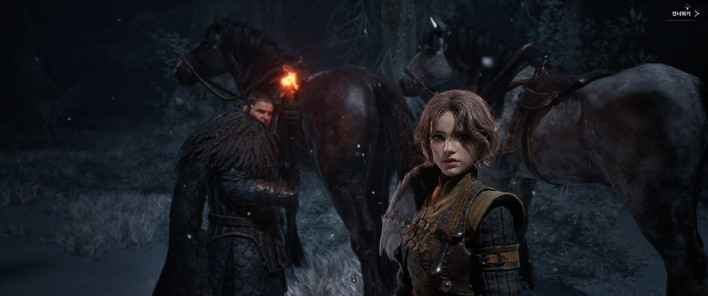
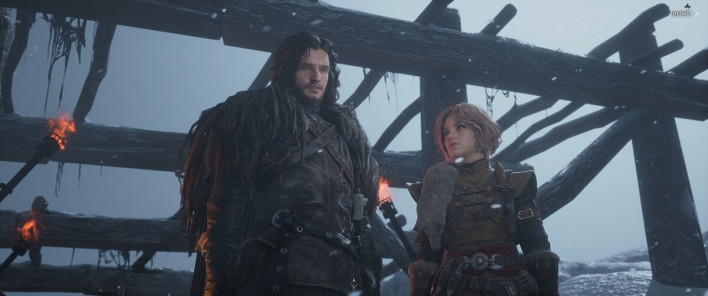
If you have read the novels or watched the show, the story of 'Game of Thrones: Kingsroad' is filled with familiar elements. This keeps you constantly anticipating the characters you will meet and the regions you will visit next. From the brief appearance of Cersei in the prologue sequence and familiar faces like Jon Snow and Samwell Tarly as in-game characters, to the interior of Winterfell that evokes memories of Bran Stark's childhood, everything is faithfully recreated. Though, at this point in the timeline, it is under the control of House Bolton rather than House Stark.
Not Just 'Watching' Westeros, But 'Walking' Through It
Jang Hyun-il, Executive Producer at Netmarble Neo, stated from the early stages of development, "What fans expect is not just to watch the story, but to experience the world firsthand." That judgment was certainly correct. It was also the aspect I found most positive while playing the demo build.

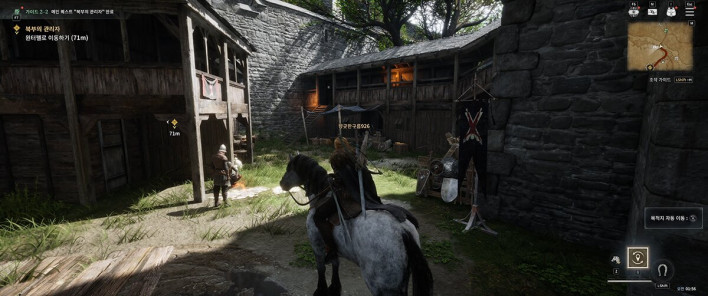

From Castle Black and Winterfell, which you visit early in the game, to the Principality of Dorne at the southernmost tip of the world map—which I haven't reached yet—players can now walk through the spaces of Westeros that the show's camera only swept past. I spent quite a while just standing beneath the Wall, looking up at the massive structure as it loomed high into the sky.
It is also worth noting that the developers collaborated with HBO to implement regions that never appeared in the show—areas that existed only in the lore. They have filled in the blanks of the world of Westeros that fans of the original work have never actually seen. For users interested in this worldview, following the storyline and exploring these unseen regions will be a rewarding experience.
A World Where Magic is Rare: Combat with Restraint and Impact
The first thing you notice about combat in Kingsroad is what is 'missing.' While simple effects like flaming swords exist, you won't find high-fantasy elements like throwing fireballs or calling down lightning—at least not in the sections I played. Instead, there is the crisp impact of cold steel clashing and restrained movements that do not break the sense of realism.
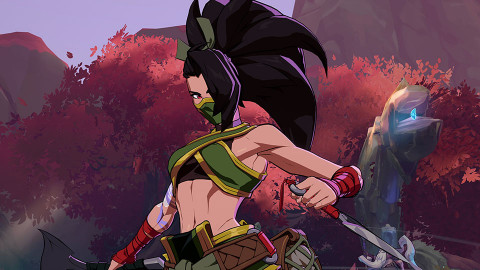
The three classes (Mercenary, Knight, Assassin) have distinct personalities. The Knight offers a standard, well-rounded melee combat experience with a greatsword and dual swords. The Mercenary delivers heavy, impactful attacks with a large axe and exhilarating combat using gauntlets. The Assassin enables stylish combat with dual daggers and a rapier.


All three classes can execute various actions by combining light and heavy attacks. Since each combination has different delays, damage, and animations, you can develop your own unique combos. On top of this, the core of combat involves parrying, dodging, and using skills to observe enemy attack patterns and respond in real-time.
Another notable feature is the weapon-swapping system. In the demo build, every class was equipped with two primary weapons and one ranged weapon. Since all three classes consist of one fast weapon and one heavy weapon, you are bound to find one that suits your taste regardless of the class you choose. The developers plan to update the game with more diverse weapons rather than just adding more classes, so we can look forward to even more varied combat experiences based on weapon choice.
Exploration, Cooperation, and Challenge: Diverse Ways to Enjoy Westeros

The structure of 'Game of Thrones: Kingsroad' is primarily a single-player-focused open-world exploration. Following the main scenario to traverse Westeros and meeting original characters to unfold the story is the backbone of the game. However, there is plenty of other content available.

One feature I experienced in the demo was the 'Altar of Memories.' This is a cooperative mode where you form a party of up to four to defeat specific bosses. If matchmaking is difficult, you can enter with bots, making it easy to enjoy even when playing solo. The core reward is 'Relics,' an independent category of gear with its own dedicated equipment slot separate from regular gear. Farming powerful Relic gear will be the primary goal of this content.
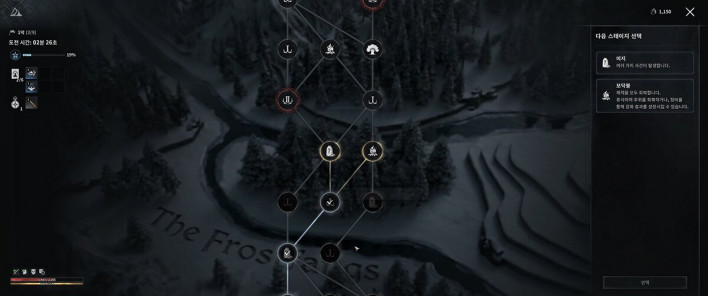
The second mode, 'Expedition Beyond the Wall,' is a Roguelike experience that literally takes you outside the Wall. Each time you clear a stage, you are given choices such as buffs or health recovery, but as you progress, a 'Cold Gauge' accumulates. Once it fills up, the expedition ends. Given that there are separate weekly rewards, it is likely to become a regular weekly activity. It is impressive how the idea of connecting the 'Beyond the Wall' setting to the game mechanics maintains immersion in the world.
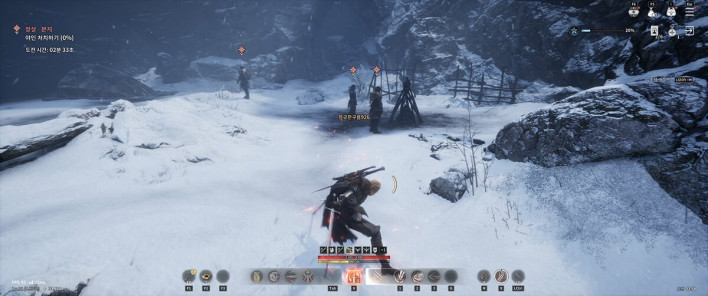
The demo build also featured the 'Abyss Altar,' a 4-player co-op raid, though I couldn't experience it due to matchmaking issues. According to public information, it is designed to require organic cooperation between party members, such as lighting fires to ignite arrows or operating ballistae to neutralize bosses. It is a shame I couldn't verify it personally due to the limitations of the demo environment, but the scale and composition of the content alone make it a highly anticipated endgame feature.
Gear Through Farming: The Monetization Structure Observed in the Demo
In the demo build, the only paid items available were two types of monthly subscription packages: 'Monthly Life Support' and 'Monthly Combat Support.' The contents are mostly focused on quality-of-life improvements or time-saving features, such as receiving additional RP (stamina resource) for entering content, doubling RP consumption to receive double rewards, or expanding inventory space.
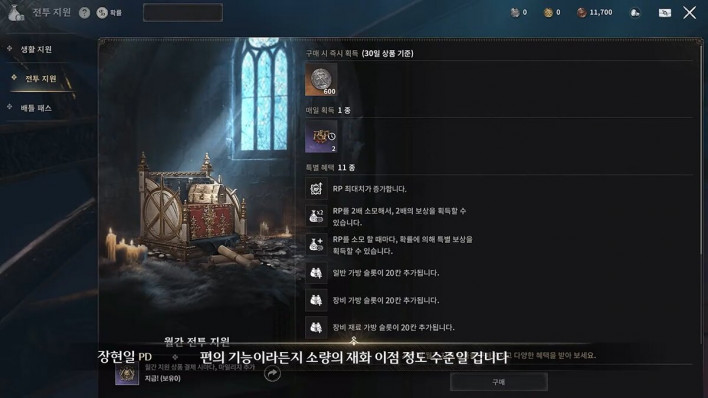
While it was hard to gauge the full impact since I didn't play enough to fill my inventory, there was no aggressive push for microtransactions within the scope I observed. As it is a game without competitive elements, you can simply play at your own pace.
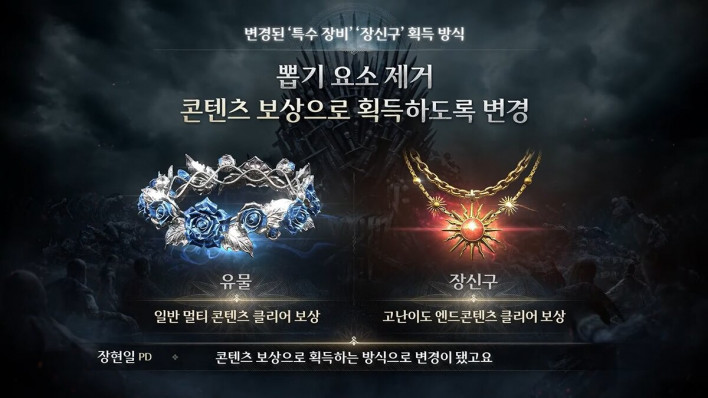
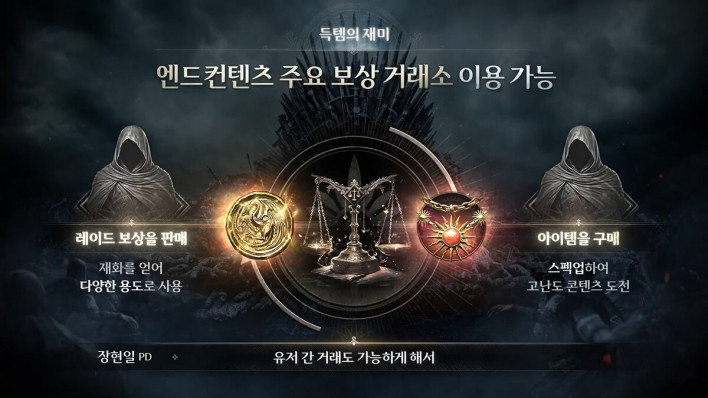
On the gear front, there were no gacha elements. All gear from high-grade to legendary could be crafted at the blacksmith, and upgrades were performed using only in-game materials. The same applies to the set research system that enhances set effects.
While it is too early to definitively judge the entire monetization structure based on a limited demo build, Kingsroad seemed quite honest within the scope of what was confirmed.
A Westeros Worth Looking Forward To
Most of the systems that make up this game are already familiar elements within the genre—the parrying system, the Roguelike content, and even the crafting and upgrade systems. Yet, it doesn't feel awkward because these elements are seamlessly integrated into the world. Similarly, the impact of combat is well-tuned to stay within the atmosphere of the original work.
The most impressive part is, without a doubt, the realization of the continent of Westeros. Being able to walk through the spaces that the show's camera only grazed, and the fact that they have implemented regions that existed only as lore in the original work, was quite a pleasant surprise for a fan.
As you follow the main story, familiar faces and places appear constantly, naturally making you look forward to who you will meet and where you will visit next. For fans of the original, I believe the game is worth playing just to hear the line "Winter is coming" within the game world itself.
If you are curious about how 'Game of Thrones: Kingsroad' was created and how the developers integrated the world of Game of Thrones into the game, you can find their stories on the official developer blog on the forum.


Sort by:
Comments :0