Netflix, which has been expanding its business beyond OTT streaming and into games, has embarked on a new challenge. The company is now set to make a full-fledged entry into the soccer game market, timed to the 2026 FIFA World Cup—the world’s biggest sports festival.
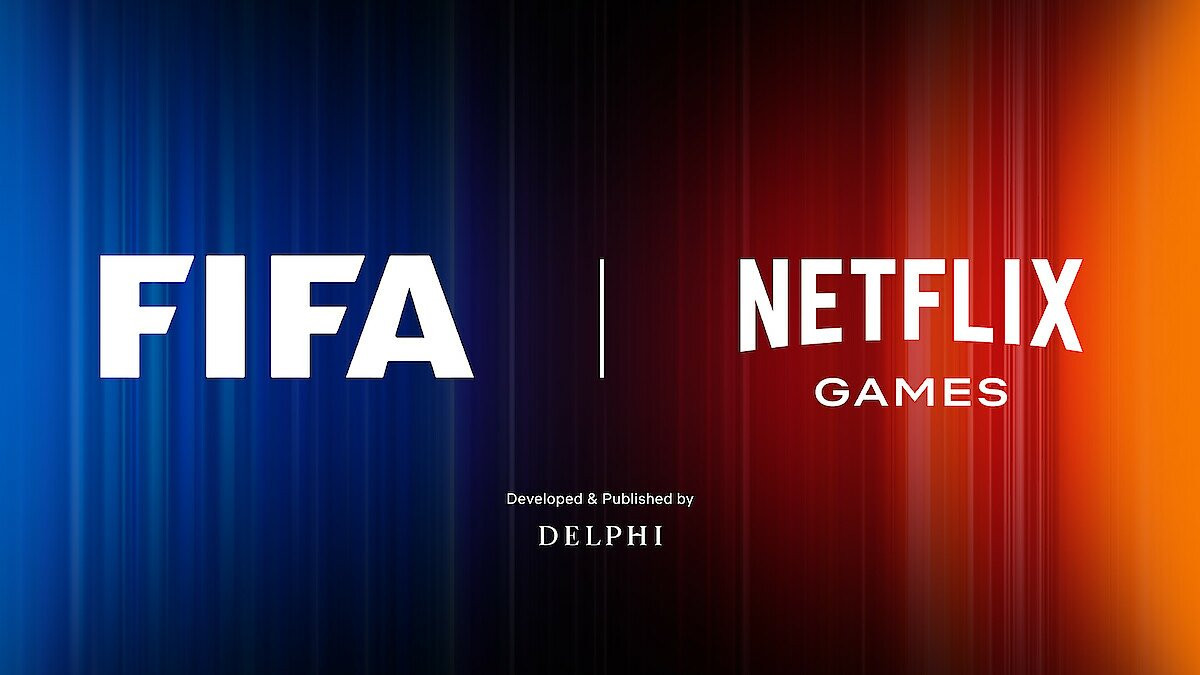
On the 18th (local time), Netflix announced that it will partner with FIFA (Fédération Internationale de Football Association) and game developer Delphi Interactive to launch a new soccer simulation game exclusively through Netflix Games. Unlike traditional, complex soccer simulations, the upcoming title is designed around “accessibility” and “pure fun.”
Developed by Delphi Interactive, the game’s defining feature is that it can be played directly on a TV screen using a smartphone as the controller—no separate console required—as long as the player has a Netflix account. Commenting on the announcement, Alain Tascan, President of Games at Netflix, said: “In step with the cultural momentum of the 2026 World Cup, we’ll let anyone experience the magic of soccer from their living room with the press of a single button.”
FIFA, too, is treating this partnership as a chance to reverse its fading influence in the gaming market after parting ways with EA amid licensing issues. FIFA President Gianni Infantino said, “This partnership marks a new era of digital football that redefines what games can be,” adding that it is “a historic step that can reach billions of fans worldwide for free.”
This is being interpreted as a strategic choice by FIFA to move away from the traditional packaged game market and dramatically broaden its user base through Netflix’s massive subscription-based platform.
Kaspar Daugaard, CEO of Delphi Interactive, said, “Our goal is to create the most fun and most global soccer game ever made.” The game is expected to support not only single-player gameplay but also an online mode that allows players to compete against friends.
Netflix plans to reveal additional details in early 2026, and will begin by rolling out the service on select smart TV models in certain countries before gradually expanding to more regions.
This article was translated from the original that appeared on INVEN.

Sort by:
Comments :0