


The gaming industry has long experimented with blending popular genres. While many such attempts have succeeded, some failures have become particularly notorious. The TPS MOBA is a prime example. Beyond 'Paragon,' which became synonymous with failure despite multiple attempts at revival, many other games have struggled to hold players' attention. Even Valve's 'Deadlock,' while currently generating buzz, has yet to announce an official release date.
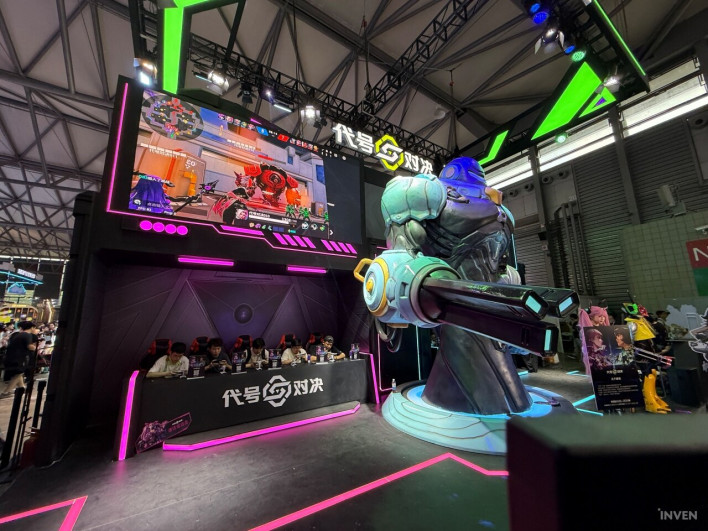
Into this space steps Nuverse, which unveiled 'LumiShift' at ChinaJoy 2026. By boldly bringing the TPS MOBA—a genre long considered the exclusive domain of PC online games—to mobile, 'LumiShift' consistently drew attention on the show floor. Targeting the mobile-friendly Chinese esports market, the developers strategically showcased the game with 5v5 matches displayed on side stages.
Watching the spectacle, I felt a mix of anticipation and concern. I was naturally excited for a chance to experience a unique blend of TPS and MOBA on mobile, but I worried whether a genre known for high fatigue even on PC could be successfully adapted. The previous demo team had been locked in a back-and-forth struggle for nearly 20 minutes; watching only the screen, I doubted whether the game had the depth to maintain player focus for such long sessions. Furthermore, the broadcasted mobile gameplay revealed some clunky animations and low-resolution effects, leaving a somewhat unpolished impression.
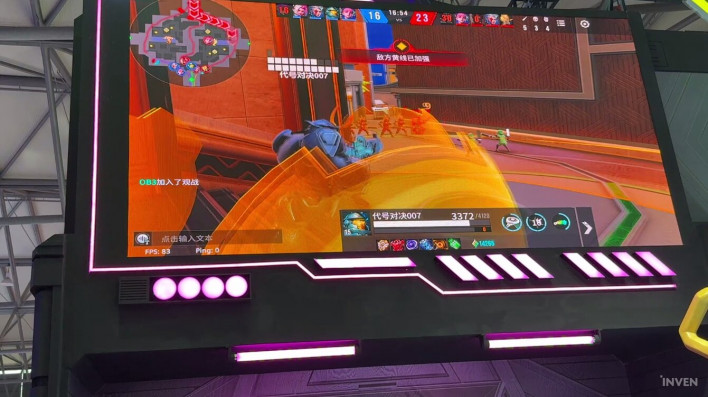
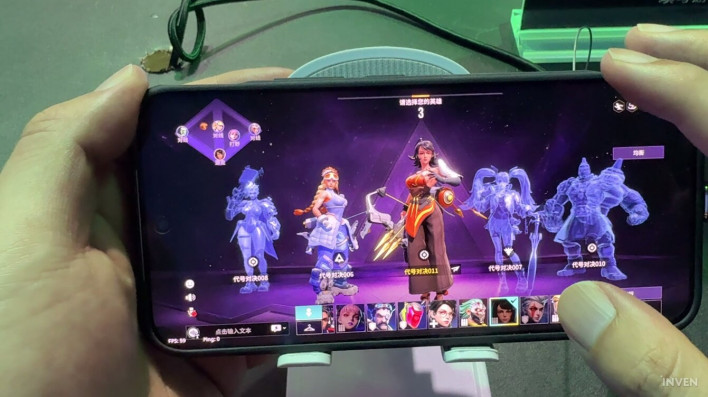
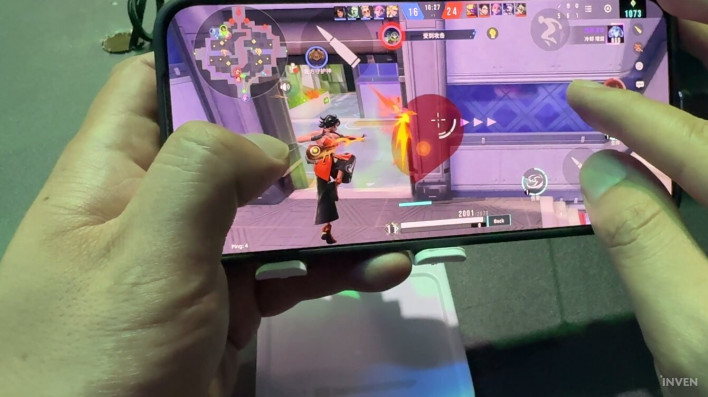
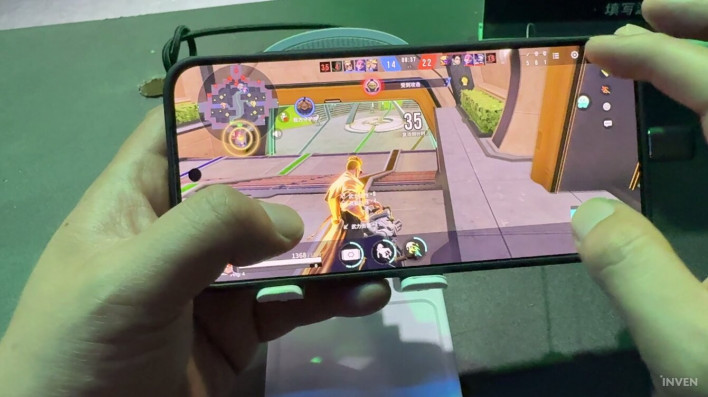
However, once I actually jumped into the demo, 'LumiShift' felt different. Despite choosing a late-game carry marksman—partly due to the language barrier and partly because I liked the character's design—the experience was engaging. After cautiously poking from behind cover during the early laning phase and getting picked off by an assassin, I found the thrill in switching lanes, farming carefully, and eventually landing a decisive ultimate skill to secure kills.
Naturally, the game needed to address the movement issues inherent in mobile TPS MOBAs. It adopts a zipline system inspired by 'Deadlock.' This allows for strategic maneuvers, such as using the zipline to retreat to the base in emergencies. While the invincibility frames during the zipline ride raised concerns about unnecessarily long engagement times, the maps—consisting of three lanes and flanking routes—are small enough that moving without the zipline doesn't take much time.

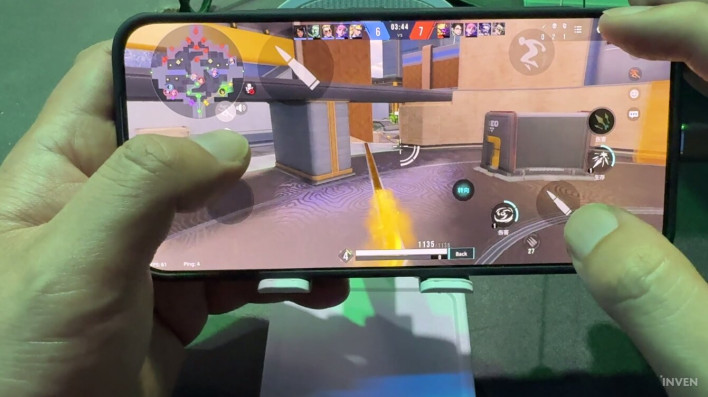

The idea that a game can have short travel times, short engagement times, and yet maintain a tense, drawn-out match sounds contradictory. Yet, 'LumiShift' manages to pull this off, which is its peculiar charm. This is made possible by the dense placement of three tiers of towers and a character design that scales significantly in the late game.
Early on, the dense towers and ziplines prevent one-sided stomps, keeping the match tight. Once items are built in the late game, players can quickly destroy towers to reach a conclusion. This adds the tension of TPS combat, where you can resist by using cover or flanking enemies from behind or above as they push your towers. When the ultimate skill is ready, you can also experience the thrill of a 'wombo combo,' where an initiator dives in and you follow up immediately to secure the kill.
Of course, being a mobile game, it might be challenging for those who haven't played mobile TPS titles before. Even after playing quite a bit of 'Delta Force' recently due to the 'Arknights' collaboration, I still found myself outmaneuvered by some assassins. To accommodate such players, some characters are designed with auto-targeting basic attacks and wide-area CC skills like knock-ups or stuns, allowing them to contribute effectively just by reading the flow of the game. It was also impressive to see the balance shift as these tanks become weaker in the late game.
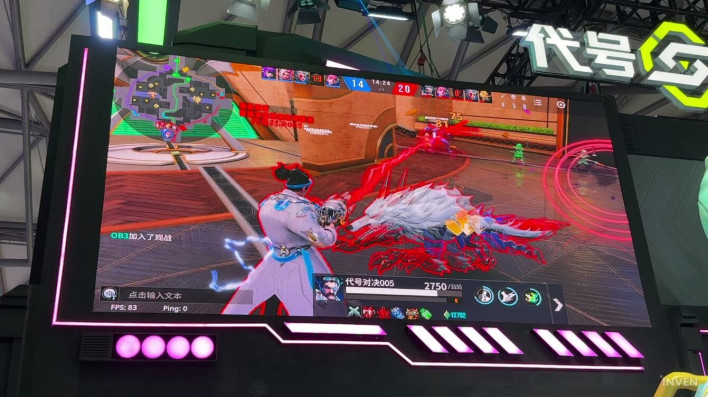
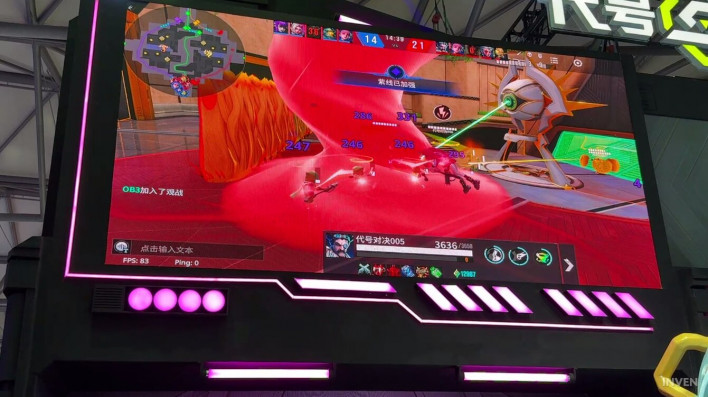
Given that both MOBAs and TPS games are thriving on mobile in China, it is no coincidence that 'LumiShift' implements both elements with such competence. Of course, the aforementioned awkward animations and effects were a flaw. Additionally, the lack of clear notifications for events other than kills meant I had to rely on the tiny mini-map in the corner of the screen. Since your fingers cover a significant portion of the screen while aiming, shooting, using skills, and moving, the developers need to find ways to make the battlefield status easier to check and react to.
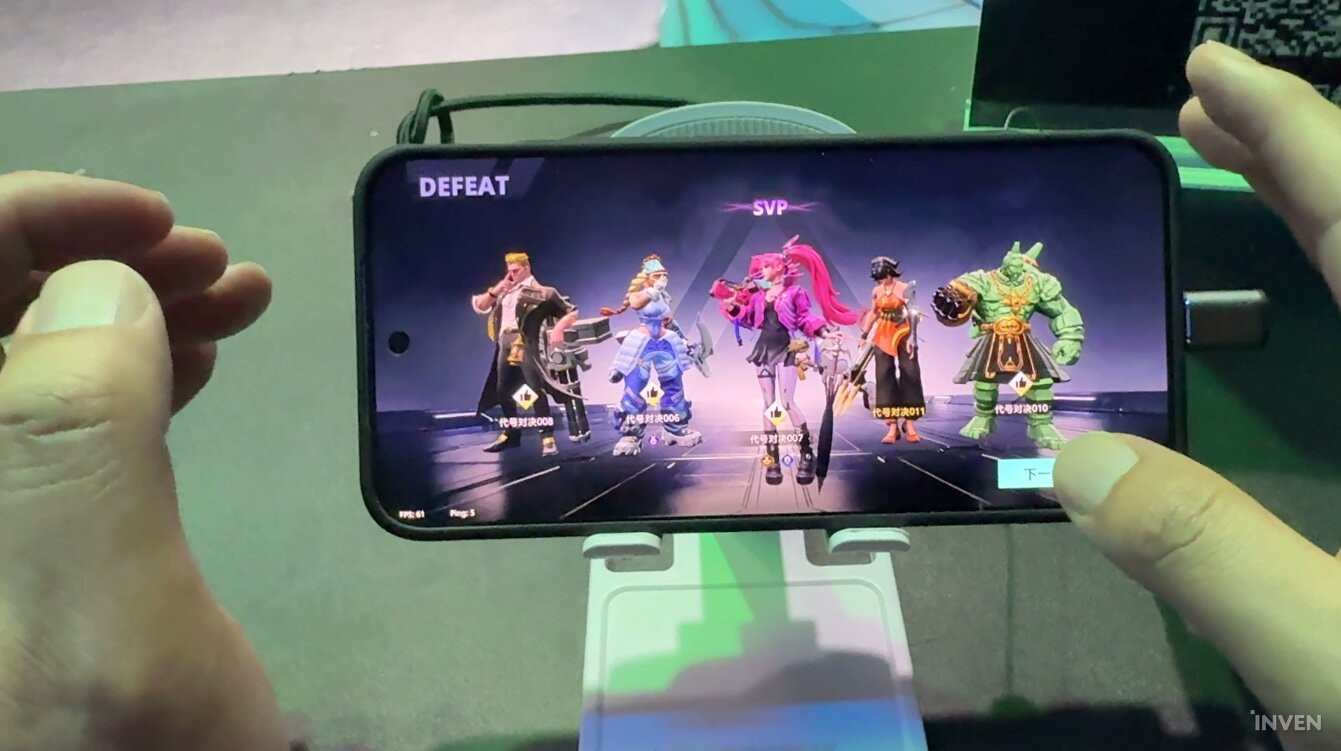
After that one match, I felt a bit of fatigue, but for those moments, I was fully immersed in the teamfight, and 'LumiShift' definitely has that addictive tug-of-war charm. I hope that with a bit more polish, 'LumiShift' can break the cruel history of TPS MOBAs and become a pioneer for the genre on mobile.
![]()
- Seoho "Ruudi" Yoon
- Email : ruudi@inven.co.kr


Sort by:
Comments :0