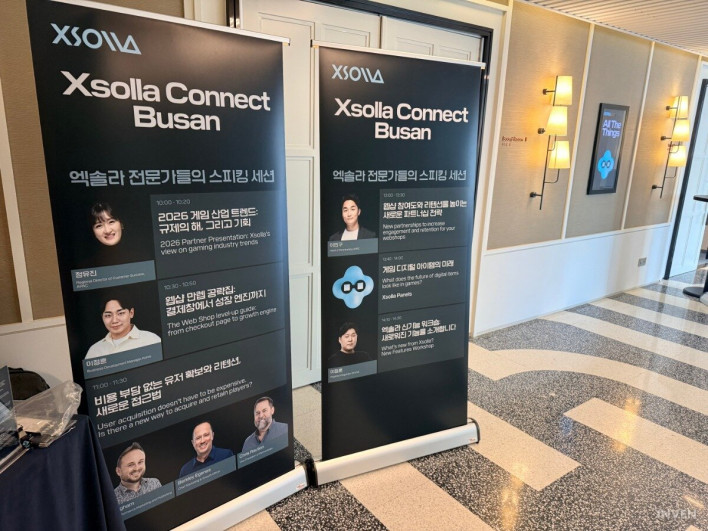
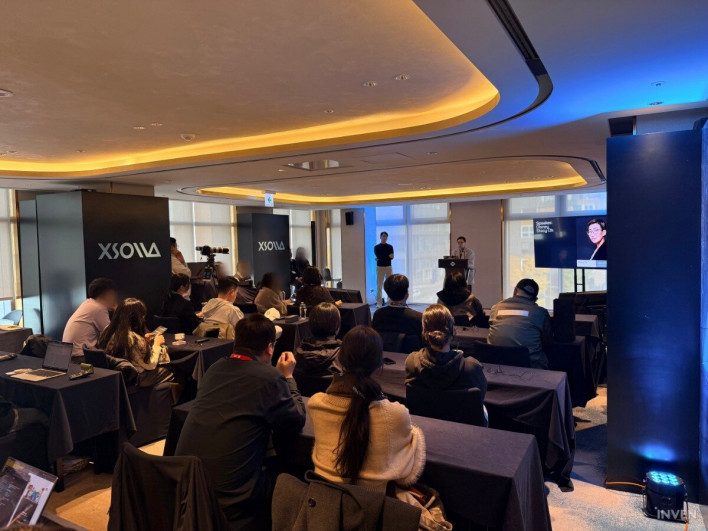
During G-STAR 2026, Xsolla opened its business lounge, 'Xsolla Clubhouse,' at Grand Josun Busan in Haeundae instead of hosting a traditional BEXCO exhibition booth. At the mini-conference 'Xsolla Connect Busan 2026' held concurrently on November 20, sessions spanning from morning to afternoon addressed mobile payment regulations, web shop operations, global partnerships, and new features, followed by an evening networking event featuring domestic and international creators such as Ddotty.
Having attended G-STAR every year without fail, Xsolla changed its format this year to consolidate its core messaging into a single space. By putting an open environment front and center where anyone can drop in to discuss ideas, the company aims to expand its scope beyond a B2B payment solution provider into a platform that connects developers directly with players.
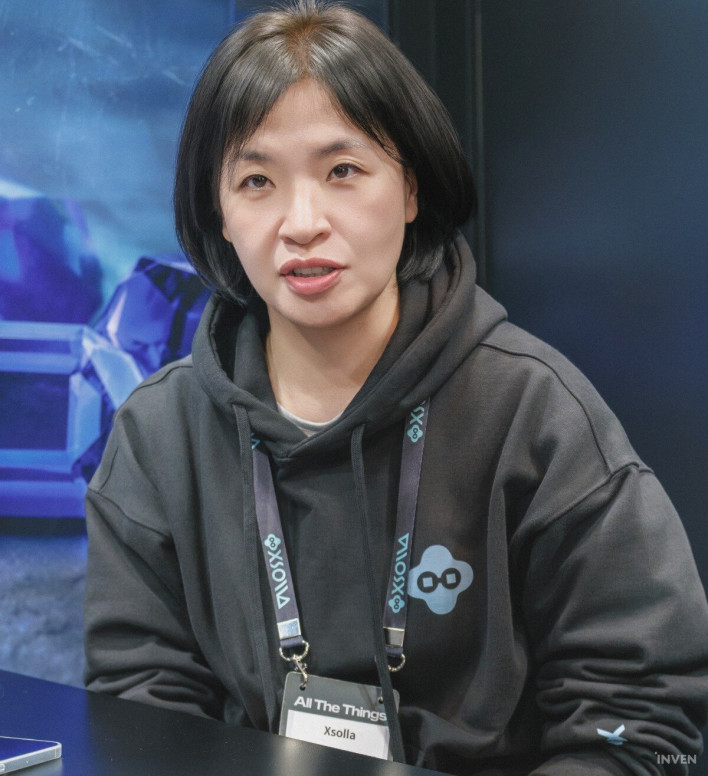
Speaking at the event, Juyeon Lee, Head of APAC at Xsolla, emphasized that companies should leverage rapidly changing mobile regulations as an opportunity to acquire user data—the true value of web shops. In an interview, Lee shared insights into the varying attitudes among Korean game developers regarding web shops, the advantages of revenue-sharing creator collaboration tools, and Xsolla's upcoming plans for the Korean market next year.
This Year's Keywords: 'Regulation' and 'Opportunity' Consolidating the message into the Clubhouse amid changing mobile regulations
The first session of Connect Busan was titled '2026 Video Game Industry Trends: A Year of Regulation, and Opportunity.' Could you briefly explain why Xsolla chose 'regulation' and 'opportunity' as its key themes for this year?
Juyeon Lee = This is actually one of the questions I get asked most often. Mobile games are one of the most widely developed segments in the industry, and with mobile regulations changing significantly, many people are naturally curious. We also wanted to see how game developers take the information we provide to make strategic decisions, and we wanted to reflect on what has happened so far, which is why we chose this topic.
Even while we were preparing for this event, regulations shifted dramatically. We wanted to address these shifts and demonstrate to attendees that visiting Xsolla gives them access to these crucial insights.
Most of the examples mentioned during today's talks focused on overseas cases, but many Korean game companies are also expanding globally. What specific changes are Korean developers experiencing most directly?
Lee = When Korean developers expand overseas, many are contemplating how to leverage strong existing IPs or revive classic IPs. Meanwhile, larger companies are increasingly working on building their own global platforms, aiming to consolidate their existing titles into a unified ecosystem.
Xsolla often emphasizes being a thought partner rather than just a payment solution provider. How do you feel this direction is taking shape internally and externally?
Lee = In the past, partners could often manage on their own without much back-and-forth because our tools were already so well-built. Nowadays, the workload has grown, and launching a game on a major platform is no longer the end of the story. As a result, partners ask us a lot more questions. We also meet with them in person to share insights on industry trends and how other studios are approaching similar challenges.
Starting next year, we plan to actively scale up quarterly proposals for major partners—sharing new features and recommending tailored strategies. We already do this to some extent, but as we expand these efforts, partners are increasingly coming to us with questions and crafting their strategies together with us.
Is there high demand from developers for these quarterly consultations?
Lee = Yes, absolutely. Some of the largest publishers even proactively request monthly meetings. Since we cannot discuss technical details every single day, studios tend to request these regular check-ins.
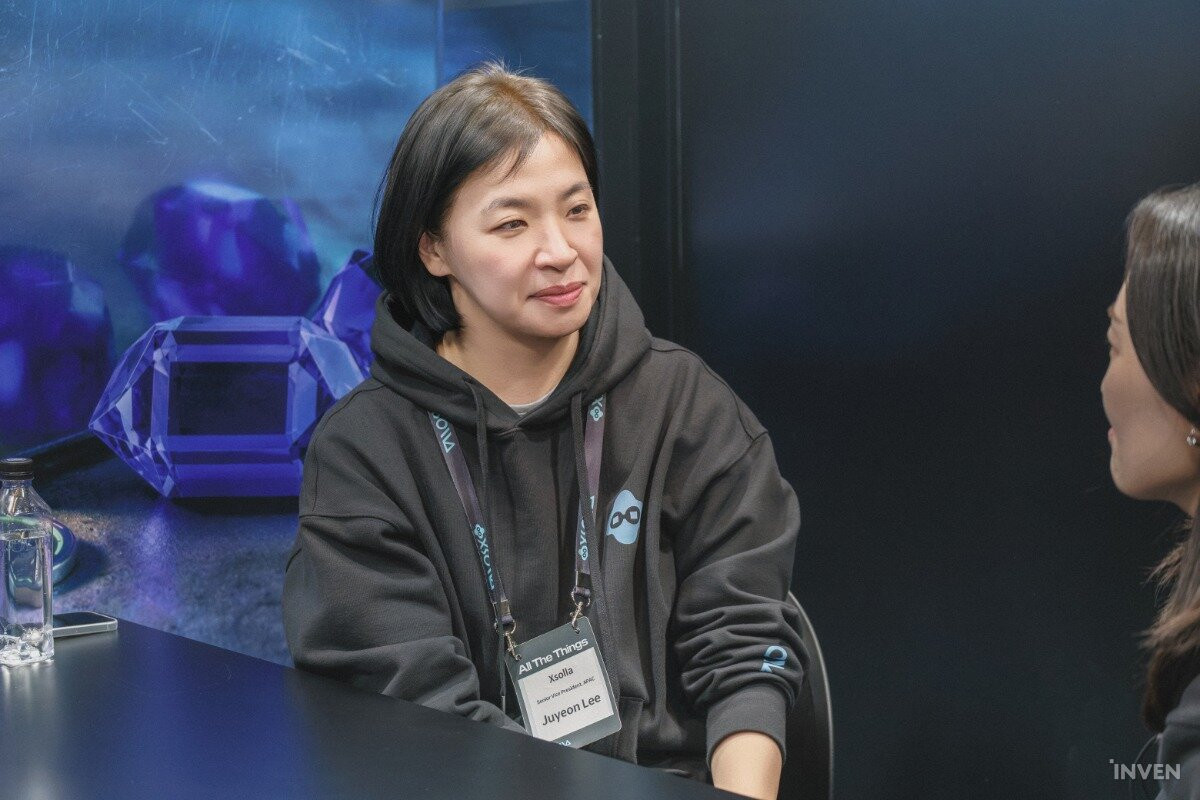
Today's schedule included affiliate and partnership programs, a mini-conference, and creator events. What was the motive or target behind featuring the Clubhouse rather than a standard exhibition booth?
Lee = I believe Xsolla has attended G-STAR every single year without fail. While business meetings are crucial, side events are equally important to us. Since we had numerous side activities planned this year, we wanted to deliver our core messaging within a single space. So we prepared early to set up one location, display our message throughout the venue, and invite as many attendees as possible.
We also thought a formal 'Xsolla Booth' might feel intimidating to some visitors, so we designed an open lounge where anyone could drop by and use the space whenever they wanted. We didn't invent this format just for Korea; we've been running similar events at Gamescom and GDC for two years. Having seen their success there, we decided to bring the format to Korea this year.
Since this is the first time in Korea, evaluating the performance metrics will be important.
Lee = Once we get back, we plan to evaluate how it went. We might return to a booth format, or we might conclude that this setup was far better, so we'll gather data to decide. Since venues like this are quite limited, we'll need to make a decision early.
The daytime sessions focused heavily on regulations and web shops, while the afternoon sessions introduced new features. How did you curate the schedule, and what was the objective behind the sequence?
Lee = We collected various proposal topics from internal teams. If you're not careful, presentations can easily devolve into self-promotional sales pitches. Instead, we gathered topics that our partners genuinely wanted to know about and areas where Xsolla could offer deeper insights than anyone else.
As a result, we scheduled high-interest though potentially drier topics in the morning, while structuring the later sessions around practical recommendations for developers to try in the coming year.
A network connecting developers directly to players From Disney and Game8 partnerships to revenue-sharing creator tools
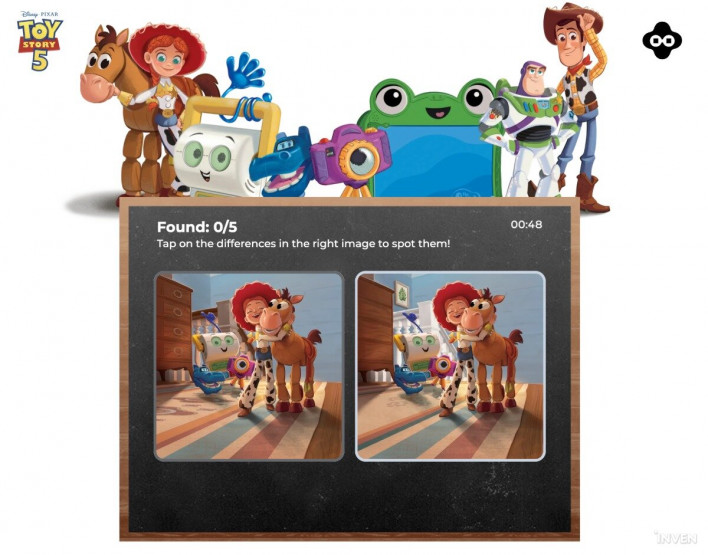
In the earlier session, partnerships were highlighted, including Disney and Game8. Some basic use cases were shown, but what can partners expecting to use these services look forward to, and how can they utilize them?
Lee = As mentioned in the session, this is really just the beginning. Fortunately, we were able to launch with one or two major regional partners in each market. However, IP-related integrations involve complex tool requirements, so we are starting with smaller-scale implementations and determining where to take them next. For platforms, it comes down to how to leverage their existing audience—specifically, how to bridge those users to gamers, or how to maximize engagement with the gamers they already have.
In that sense, you can consider this phase as a beta, but a significant portion of our business strategy for next year is focused on this area. While we previously operated primarily on a B2B model, moving forward we want to provide channels where developers can reach players directly. It's still early, but that is our direction.
So while maintaining your B2B foundation, you are expanding your focus toward end users?
Lee = Yes. Business-to-business remains our core business, so we will continue to maintain it steadily. Without losing that foundation, we are expanding into areas we hadn't focused on as much. Working with many partners, while some have titles directly managed here in Korea, consumer touchpoints haven't traditionally been our main domain, so we are making efforts to expand there as well. We expect to showcase much more progress next year.
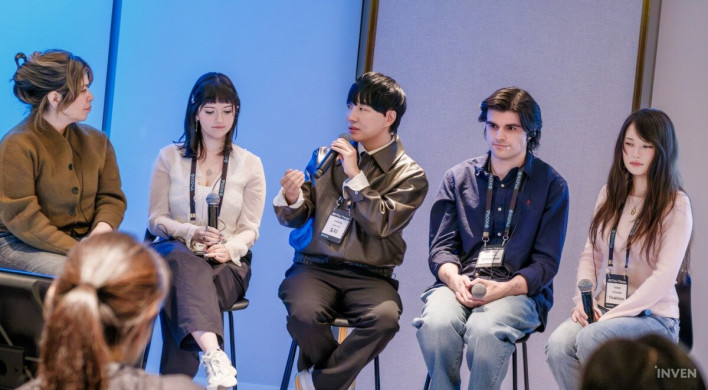
The creator session featured domestic creators like Ddotty alongside several international figures. What was the rationale behind bringing together creators from different markets in one venue?
Lee = To be honest, we had never grouped them together like this before. Creators tend to be very focused on specific languages and regions, so it's rare for creators from different language backgrounds and cultures to sit down and exchange ideas. Domestic experts focus on Korea while international experts focus on their respective markets. However, Xsolla operates across both, and attendees arrive with diverse challenges and target regions in mind.
This is an experiment for us, but bringing both sides together can reveal very different responses to the same question. Asking 'How do you view this?' might yield completely different perspectives between Korea and other regions. We wanted participants to experience those contrasting insights firsthand, which is why we invited both sides.
Is this the first time you've hosted an event like this?
Lee = Yes. We've hosted creator events overseas at venues like TwitchCon, but this is a first for Korea. Given that the Korean market is large yet language-bound, combining domestic and international perspectives into a joint program here is something we are trying for the first time.
While working with creators can drive results, measuring performance isn't always straightforward. How do you assess those outcomes and support developers in this area?
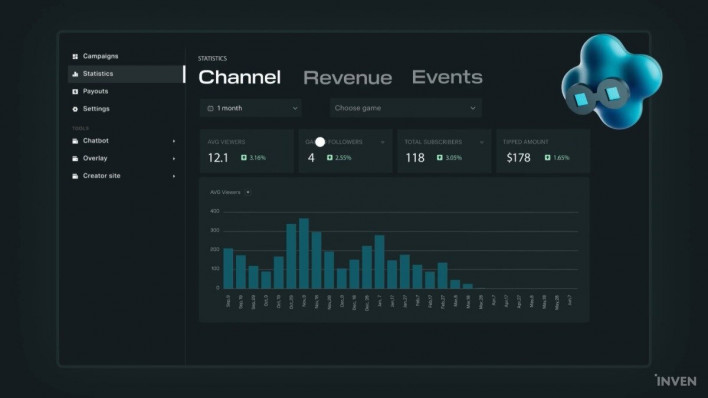
Lee = The team running this event actually manages the precise tool used to measure those results. It's called XPN (Xsolla Partner Network), which is fully integrated into our platform. It directly connects game developers partnering with Xsolla to influencers. Since we work with both sides, we built tools to address common friction points in creator collaborations, complete with built-in performance tracking.
It operates on a revenue-sharing model based on the sales or promotion driven by the influencer. Instead of a fixed contract like paying 50 million won for 10 pieces of content, revenue generated from the content is shared between the influencer and the developer. This event serves in part to promote that tool, which enables full tracking of marketing performance.
Since performance is transparently trackable, indie developers who are uncertain about ROI could easily adopt it as well.
Lee = Exactly. It lowers the barrier to entry. While there are prominent creators like Ddotty with millions of subscribers, there are also micro-influencers. Some specialize in specific genres or regional niches where they command strong popularity. Reaching out to each micro-influencer individually can be difficult, but our tool connects developers to them directly, allowing studios to leverage them without heavy overhead.
Of course, like any influencer marketing, having a well-known IP or game helps. Nevertheless, we designed the tool so that developers can test creator campaigns flexibly without needing massive upfront budgets.
Indie-friendly tools and perspectives on web shops Advent calendar promotions, platform expansion support, and a cautious domestic sentiment
Do you also create incentives for creators to participate?
Lee = Yes. We continuously promote opportunities to existing network members and sometimes offer promotional credits to creators who reach certain usage thresholds to help co-promote campaigns. We actively look for ways to support them.
For instance, with our Christmas tool, we are running co-promotions suited for indie titles. Advent calendar features have become popular—players open one door a day to claim in-game items. We assist in promoting initiatives like these and are constantly exploring new methods.
Speaking of indie studios, we heard Xsolla helps developers expand onto platforms like Steam or the Nintendo eShop. How does Xsolla's network play a key role in that regard?
Lee = That varies because some platforms partner with us while others do not. For compatible platforms, we offer as much support as possible. We always aim to make our tools accessible and simple for indie developers. Features built at the request of major publishers are integrated directly into our core toolkit, meaning indie developers get access to the exact same capabilities.
While large publishers may get custom modifications, the core tools apply updates in real time for everyone. Beyond financial or promotional support, we provide extensive backing in this way. For indies, we feature their titles on emerging platforms or Xsolla's own channels and introduce localized marketing avenues.
You mentioned features developed for major publishers. Could you share an example of a request that led to great results?
Lee = One example we often reference is Twitch. When Twitch first launched its subscription model, processing recurring payments was surprisingly complex. We developed a custom subscription system for Twitch, and that same subscription architecture is now a standard tool available to all our partners.
Whenever major game companies ask us to build a specific feature, those additions get incorporated back into our core platform. If you log into the Publisher Account today, features like LiveOps management and item catalog tools are available to everyone uniformly.
Xsolla has emphasized that web shops are not hostile to platform stores. With recent changes in in-app payment dynamics, how do you view these developments, and what shifts are you noticing among Korean developers?
Lee = Korean developers tend to be surprisingly conservative in this area. While many are adopting web shops now, overall adoption remains somewhat hesitant compared to other markets. On the other hand, major Korean publishers are moving rapidly toward building proprietary platforms to handle everything from game distribution and marketing to item sales.
Broadly speaking, web shops represent an evolutionary step during a transitional period. Because regional regulations are complex and modifying game builds directly can be difficult, web shops allow developers to navigate regulatory hurdles flexibly. Consequently, many view web shops as the easiest, safest, and most convenient solution available right now.
However, things can shift depending on regulatory trends. Web shops are a hot topic and Korean developers are very interested, but because implementation can seem daunting, some hesitate and miss out as the market transitions to the next phase. That's why we receive so many inquiries lately, and many studios are gradually adjusting their strategies.
The true value of web shops is user data, not commission fees Encouraging frictionless trials while navigating regional differences together
For developers who remain cautious, how does Xsolla support them in taking the first step?
Lee = We provide tools and services that allow developers to try web shops without heavy resource investments. Building a custom web shop from scratch requires significant resources. With our tool, simply inputting a store URL generates a functioning web shop. While some major companies build fully custom platforms, most global studios start with just one title. Because the tool is so easy, they set up a shop for one game, see the results, and then expand to additional titles.
Rather than spending months hesitating or analyzing, trying it once makes developers realize why it's worth it. Reaching that initial step can be tough, which is why we support studios as a service. Almost every team that tries it comes away convinced of its value. Once they see the results, adding titles or expanding into new regions is as simple as a single click. We provide these straightforward tools so developers can experience the benefits firsthand.
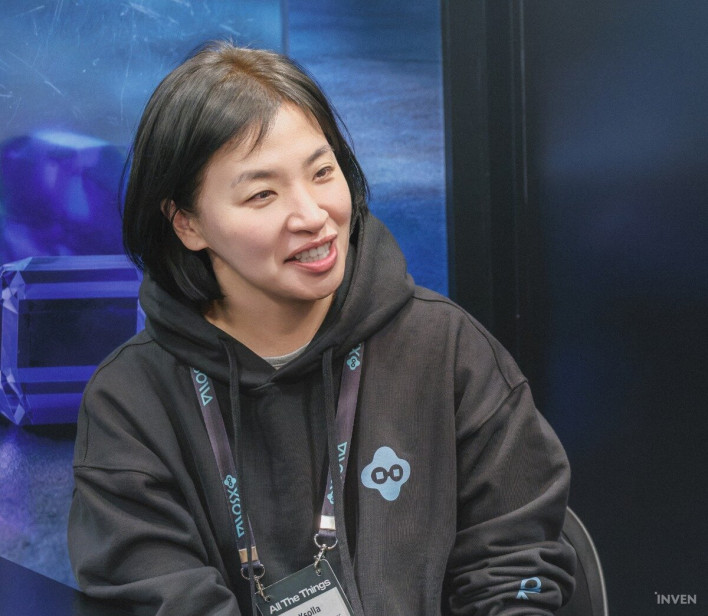
While based in Korea, you also oversee APAC markets including Southeast Asia, India, and Australia. What key differences or unique characteristics set those regions apart from Korea?
Lee = Southeast Asia has utilized web shops for a long time. Local payment options are essential there, whereas major app platforms historically offered only credit cards or PayPal. In Southeast Asia, bank account ownership rates were very low and credit cards were unusable for most people, so web-based payments have been widely used since the advent of mobile gaming. Back then, developers operated web shops discreetly out of fear of store regulations, though regulatory compliance was actually fine.
As a result, players in Southeast Asia are very comfortable with web shops and expect rewards when buying online. In fact, web shops account for a significantly higher proportion of revenue in Southeast Asia, and setting one up is considered essential when entering the market. India is not quite at that level yet. Because each region has unique characteristics, Korean developers sometimes struggle when expanding overseas. Having navigated these regional nuances alongside numerous partners, Xsolla is well-equipped to support developers.
So Korean developers can draw on Xsolla's regional expertise when expanding into those markets?
Lee = Absolutely.
Markets like Japan are undergoing legal revisions, while Europe has strict regulatory enforcement. Where do you feel regulatory shifts are happening fastest, and what should developers watch out for when expanding there?
Lee = Korea and Japan are moving the fastest. Regulations continue to evolve in both markets, and both represent massive gaming hubs with substantial user bases and revenue potential. Naturally, Korean developers pay the closest attention to regulatory shifts in these two countries.
Other regions appear to be adopting a wait-and-see approach. We continuously track regulatory changes and provide daily updates to our partners, but Korea and Japan remain the primary focus.
If app store commission fees decrease due to regulatory changes, some developers might feel less inclined to adopt web shops. How does Xsolla address this, and what value do you emphasize?
Lee = Many people view web shops primarily as a way to cut platform fees, but the greatest advantage of a web shop is that developers directly own their user data. For studios releasing multiple titles, owning user data allows them to cross-promote new releases and build direct player communities. Back in the PC online gaming era, publishers ran their own platforms and naturally owned player data. In mobile gaming, that data was locked behind major platform operators. Web shops allow developers to reclaim that data and formulate far more effective long-term marketing strategies.
Therefore, the commission difference alone may not be the decisive factor. Of course, if platform fees drop below a certain threshold, the financial calculation changes, but for studios planning to operate long-term and release future titles, web shops offer a clear strategic advantage. Furthermore, as I mentioned earlier, avoiding over-reliance on a single platform operator is a major benefit for large studios, and that independence has been the primary growth driver for web shops in the market.
Building brand awareness among players next year Expanding channels to gather data, venturing into webtoons and IP licensing
Besides web shops, what other strategic directions do you recommend to major publishers?
Lee = Publishers usually come to us with established strategies, so we advise them to secure as many diverse distribution channels as possible alongside web shops. As I mentioned, no single company excels in every region. A studio might perform strongly in the U.S. but struggle in Europe, and opening local offices everywhere isn't practical.
We recommend starting with broad global coverage, identifying which markets gain traction, and then evaluating specific regional needs. To gather actionable data, studios should leverage multiple channels—deploying web shops, direct payment integrations, and affiliate programs like the one we demonstrated—and use the resulting data to guide their expansion.
When Xsolla returns next year, what accomplishments in Korea do you hope to highlight?
Lee = Next year, I hope Xsolla becomes much more recognized in the consumer (B2C) space. Within the industry, Xsolla has been in Korea for 12 to 13 years and globally for 22 years, so industry professionals know us well. However, to regular players, Xsolla remains an unfamiliar name.
We want to expand direct touchpoints between players and our partners while raising brand awareness. We don't expect to become Disney, but we hope that anyone who plays games will recognize the Xsolla brand.
Conversely, what remains a challenging task that Xsolla aims to tackle next year?
Lee = Everything in this environment is challenging, but the gaming platform sector as a whole seems to be experiencing a brief slowdown. Many game developers are contemplating their next move. We want to establish reference cases that demonstrate clear new paths forward for the industry.
The question I get asked most often these days is, 'What are your plans for next year?' or 'What do you need next year?' Trends evolve rapidly, yet finding definitive answers for the 'next level' isn't easy. We want to co-create solutions with our partners that help them take that next leap forward and make their business less vulnerable to external market shifts.
We also plan to take on new challenges next year that will directly intersect with Inven readers and gamers. While I can't share details just yet, I hope to share good news with everyone soon.
It certainly feels like Xsolla is expanding across multiple fronts, from platforms to genres.
Lee = We've been expanding steadily, but next year we plan to accelerate that expansion significantly. Naturally, the workload will increase, but we are taking on challenges in domains we haven't tried before. Even if we encounter setbacks, we want to pursue aggressive strategies and learn firsthand what it takes to connect directly with end users.