If a game developer uses generative AI to assist with roughly 10 lines of code—representing under 0.1% of the entire codebase—to resolve a critical bug during development, should that game be excluded from indie game award nominations? A recent real-world incident in the international gaming industry has sparked a debate over the boundary between creative ethics and development tools.
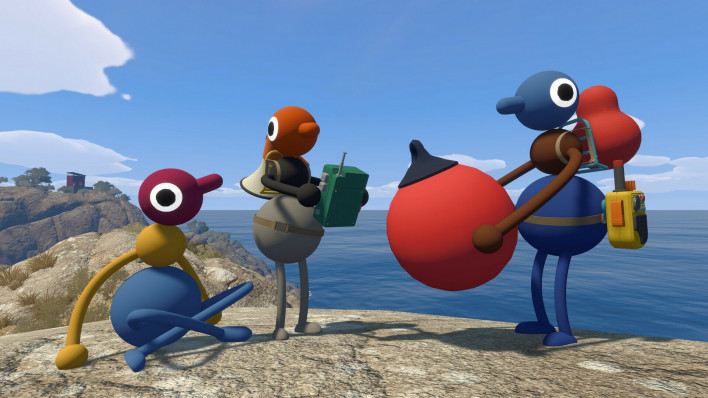
At the center of the controversy is 'Big Walk', the latest title released in August by House House, the developer of 'Untitled Goose Game'. The co-op multiplayer adventure game was widely considered a strong contender for indie game of the year, boasting a high Metacritic score of 91 and selling over 1 million copies in its first week. However, after facing a boycott over 10 lines of AI-assisted code, its recognition at the indie awards has been derailed.
Boycott by 19 Jurors Triggered by a frame drop bug even Unity couldn't resolve
The situation unfolded during the judging process for the Independent Games Festival (IGF), the world's largest indie game awards show. On November 9 (local time), 19 jurors for the 2027 IGF Awards—including Austin Walker and Sam Barlow—issued a joint statement declaring, "We will not vote for any game that has made use of generative AI in any capacity during its development." The specific backstory came to light when fellow juror Bruno Dias revealed on social media that the title behind the statement was 'Big Walk'.
As the fallout grew, House House published a detailed explanation and official apology on November 10 via an FAQ on its official website, outlining how AI came to be used in the game's development.
According to the developer, generative AI was not used at all for any narrative elements or audio-visual assets, such as in-game illustrations, music, writing, or voice acting. The sole point of AI usage occurred while fixing a frame rate drop bug near the final stretch of development. During sunrise and sunset in the game, shadow calculations behind the player escalated infinitely, causing frame rates to drop by half for roughly 20 seconds. Finding it difficult to resolve on their own, the dev team requested technical support from engineers at engine creator Unity, but Unity replied that a fix was impossible under the current rendering pipeline architecture.
Chatbot-Suggested '10 Lines of Code' and Voluntary Disclosure 0.1% Auxiliary Code Exempt on Steam Gets Tripped Up by Award Submission Rules
Ultimately, the developers described the bug to a large language model (LLM) chatbot to ask for potential solutions. Based on a code snippet suggested by the chatbot, they manually modified it to complete a fix consisting of about 10 lines of code. This portion accounted for less than 0.1% of the total project codebase. Steam does not require disclosure for simple code-writing assistance—unlike artwork or asset generation—so House House did not list it on their store page; however, they disclosed the AI usage in accordance with IGF submission guidelines, which ask about all forms of AI implementation. This disclosure subsequently sparked internal debate among the jury.
House House stated, "This explanation is not an attempt to justify the use of AI tools, no matter how minimal. Developing our game without an internal AI usage policy in place was a failure on our part, and we apologize for disappointing those who are working to prevent the harms caused by generative AI."
Ethical Principles of Creation vs. Practical Realities of Dev Tools "Exclude Products of Unauthorized Training" vs. "Debugging Assistance Is Not Asset Generation"
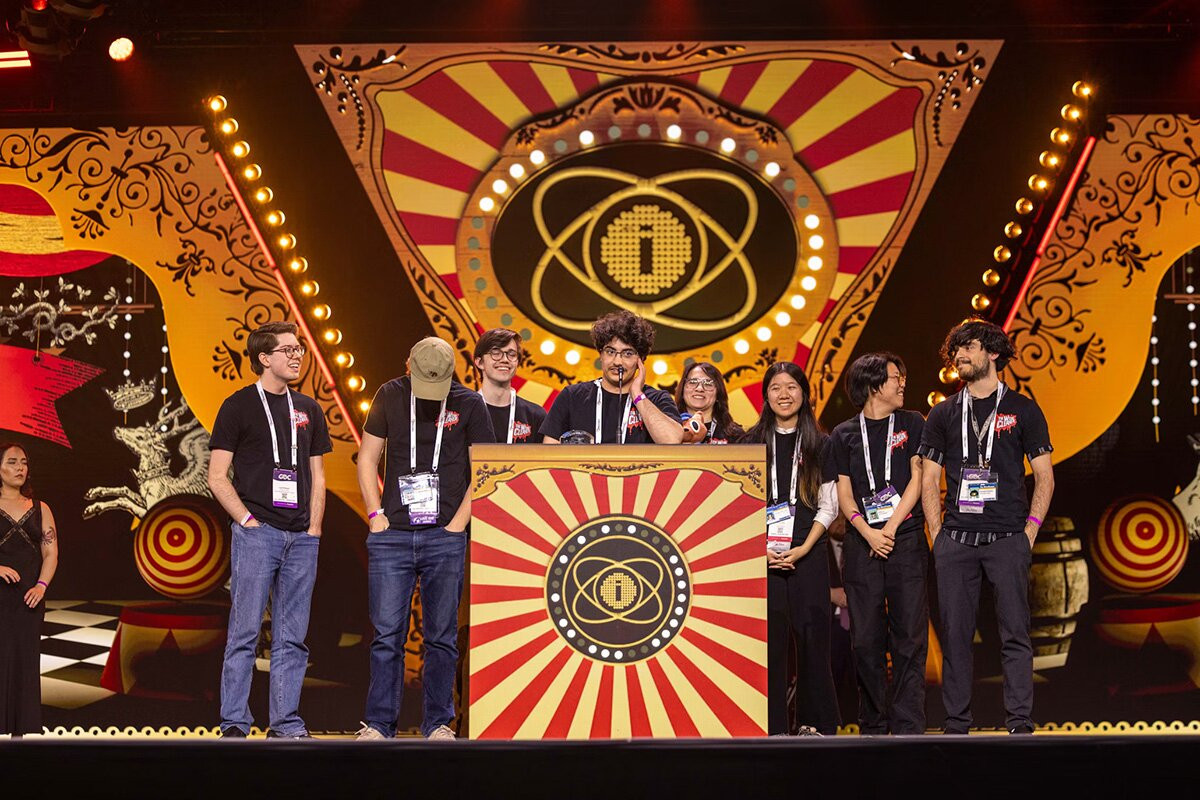
Perspectives across the international games industry and community regarding this situation are divided into two main camps.
Those who sympathize with the 19 jurors' boycott decision and concerns point to the fundamental ethical issues inherent in generative AI technology itself. Since commercial LLMs and generative AI models were built by training on the copyrighted works of countless creators and programmers without consent, they argue that even a 0.1% footprint should not be tolerated. In particular, they warn that allowing small exceptions at an indie game awards ceremony—which celebrates originality and authorship uncompromised by massive capital and tech—could erase any justification to stop reckless industry-wide AI adoption and creator rights violations in the future.
Conversely, opponents—including working programmers—argue that equating asset generation with debugging assistance ignores the realities of modern game development. They explain that popular Integrated Development Environments (IDEs), such as Microsoft's Visual Studio, already come with built-in AI code autocompletion tools, and that querying a chatbot is simply replacing the older practice of searching developer forums like Stack Overflow to solve blocking algorithms or errors. Furthermore, critics point out that while festival submission rules do not outright ban games with AI usage, penalizing a developer who honestly self-reported under those rules based on individual jurors' personal beliefs could discourage transparent disclosure in the future.
Triggered by a mere 10 lines of bug-fixing code, the controversy surrounding 'Big Walk' highlights a transitional moment as generative AI permeates the broader gaming industry. As Korean game developers also expand the adoption of AI coding assistants to boost efficiency, debates over AI usage and acceptable boundaries are expected to persist.