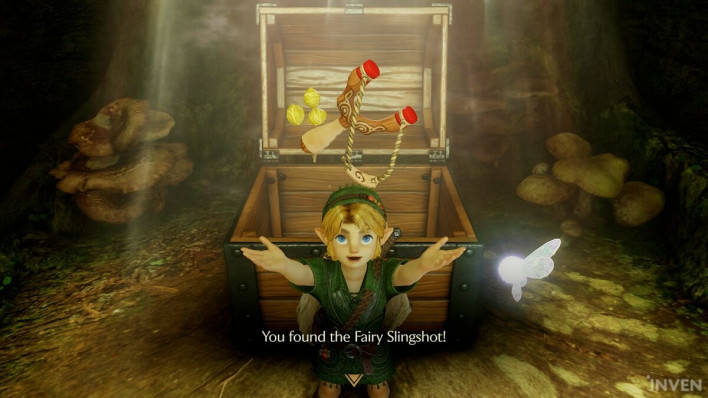
Link, the main protagonist of The Legend of Zelda, is widely recognized alongside Mario as one of the most iconic faces representing Nintendo game franchises. In particular, the overwhelming immersion delivered by 'The Legend of Zelda: Breath of the Wild' elevated the popularity of the series to new heights, driving renewed interest toward Link's past incarnations.
Among those earlier eras is 'The Legend of Zelda: Ocarina of Time', the game that truly kicked off 3D Zelda titles. It is widely acknowledged for profoundly shaping not only today's Zelda franchise, but also countless 3D open-world action-adventure games.
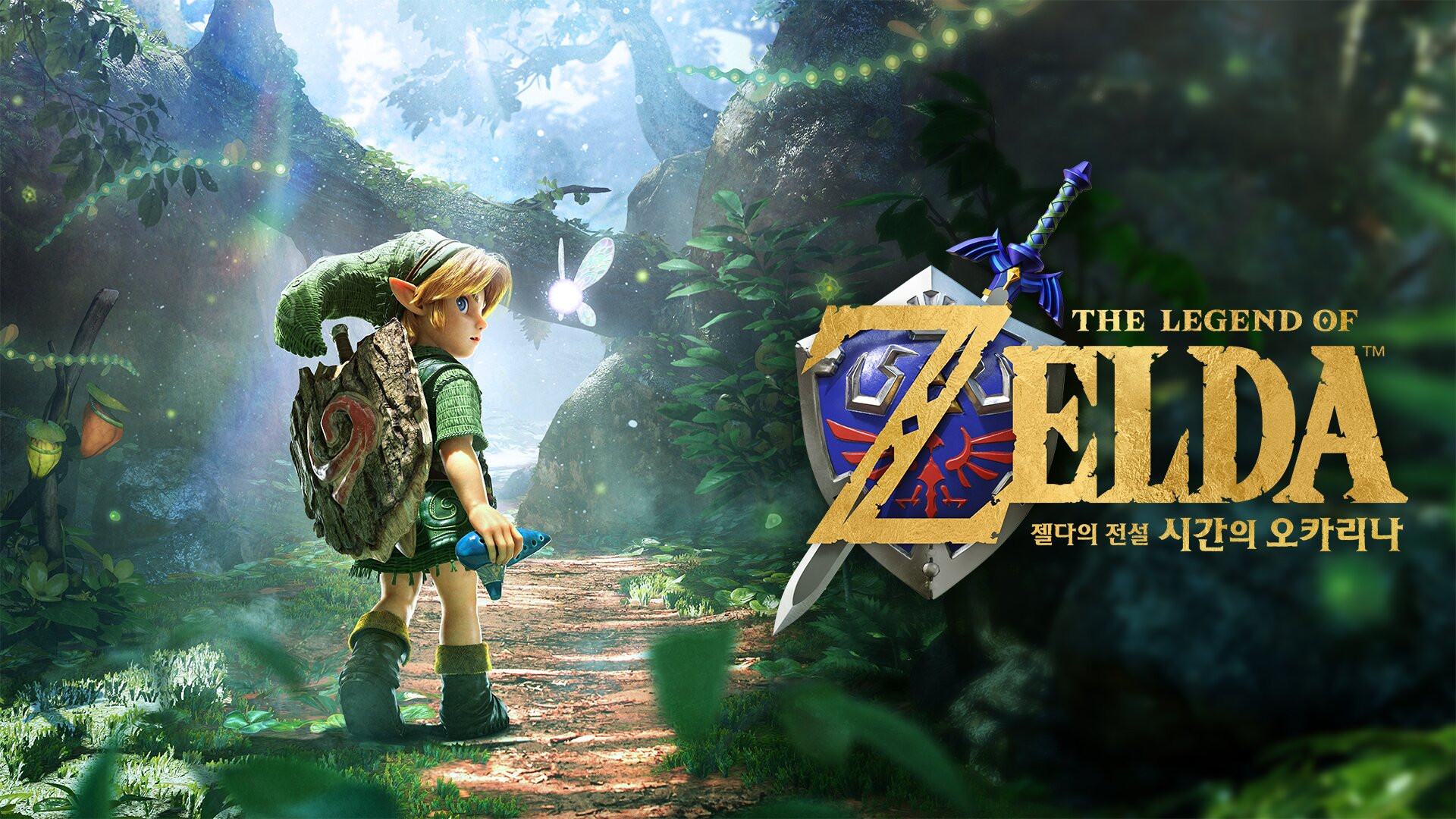
Even when played today, the unique charm and game design of this masterpiece leave players awe-struck. At the same time, however, it remains an undeniably old game. With subsequent entries in the series offering far more expansive open worlds and breathtaking visuals, revisiting the original requires drastically lowering one's visual expectations. After all, the previous remake available today, 'The Legend of Zelda: Ocarina of Time 3D', was released for the Nintendo 3DS handheld back in 2012 (in Korea).
In that sense, 'The Legend of Zelda: Ocarina of Time', reborn for Nintendo Switch 2 in 2026, may prove to be the ultimate way to return to the origins of 3D Zelda. Experiencing the demo early confirmed that these high expectations were entirely justified. In fact, with less than a month remaining until release, the wait feels painfully long, doing nothing but intensifying the desire to play it again.
Replacing jarring dissonance with a believably real space A harmony of stylized characters and realistic environments
This hands-on demo consisted of three main sections: the early sequence where Link awakens following the opening and receives the Great Deku Tree's summons; the journey leaving Kokiri Forest to cross Hyrule Field and reach Hyrule Castle; and a section controlling Adult Link as he tackles the Forest Temple.
The first playable segment opens with the Great Deku Tree dispatching the fairy Navi to Link. Guided by the Deku Tree's task, Navi flits around the sleeping hero until Link wakes, signaling the start of his grand journey.
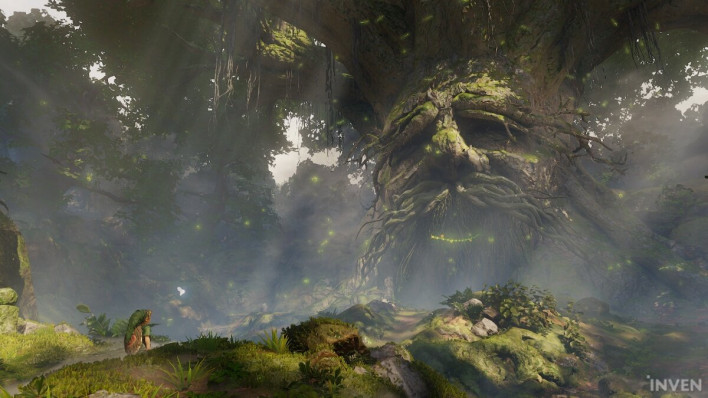
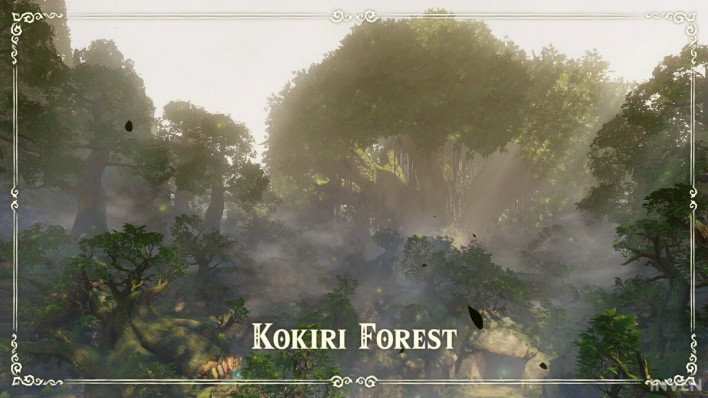
Kokiri Forest and the dungeon inside the Great Deku Tree mark the starting area of the original 'The Legend of Zelda: Ocarina of Time'. At the same time, this zone serves as a tutorial, introducing and testing various mechanics players will rely on throughout the adventure. It offers a dedicated space to get familiar with the controls and core gameplay loop.
Yet before even settling into the familiar tutorial groove, the massive visual overhaul of this classic world strikes with immediate impact. While the visual upgrades tailored for modern hardware were showcased during 'The Legend of Zelda 40th Anniversary Direct', seeing them rendered live on a TV screen proved far more stunning and captivating.
The grass bending underfoot, stones embedded in stone walls, trees blocking pathways, and crystal-clear shimmering water designs hold up not just against the original Nintendo 64 and 3DS versions, but stand among the visual elite of any title on Nintendo Switch 2.
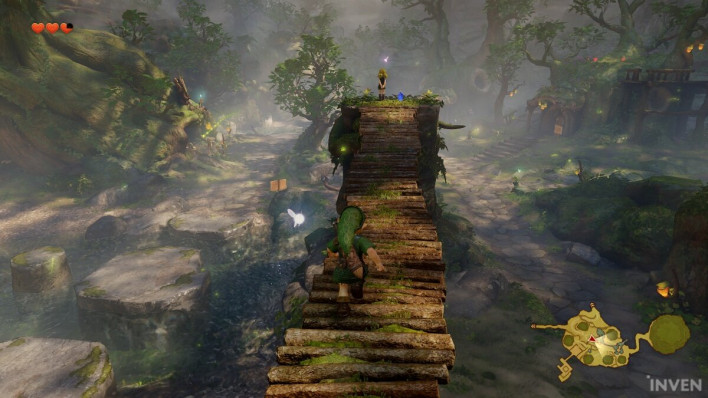

Small details greatly heighten immersion, such as Link's clothes soaking wet and dripping water when submerged, before gradually drying back to their original tone over time. The lighting engine is equally impressive; light rays filtering through dense tree canopies and soft shadows wrapping around objects bring the environment vividly to life.
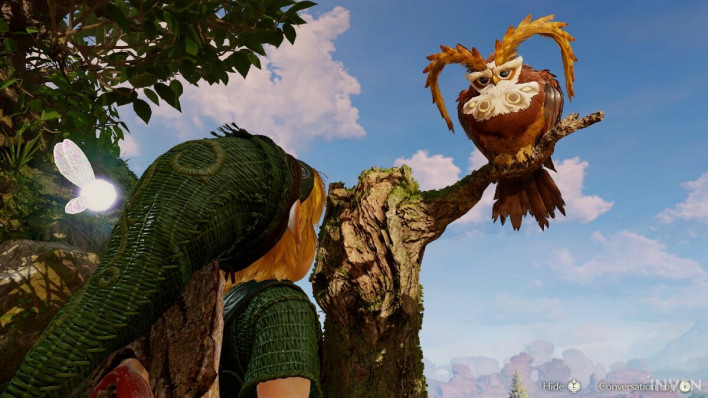
This translates directly into deeper immersion within the world of 'The Legend of Zelda: Ocarina of Time'. Character models retain their signature stylized designs while gaining highly expressive facial animations. The realistic environmental rendering grounds these stylized models, turning what could feel jarring into a space that feels genuinely tangible and real.

While Nintendo Switch-era Zelda entries featured impressive aesthetic direction, their environments rarely aimed for true environmental realism. This remake achieves precisely that balance.
Granted, 'The Legend of Zelda: Ocarina of Time' was not built as a single seamless open world. Yet even when comparing its individual contained areas, the game displays top-tier visual polish on Nintendo Switch 2.
Looking ahead, it pushes the graphical capabilities of Nintendo Switch 2 to new boundaries, raising expectations for future titles, but the immediate joy delivered by this game right now is impossible to ignore.
How a dedicated jump button and facial expressions transform Ocarina of Time Player agency and cinematic freedom powered by dashing and manual jumping
Along with the stunning graphical overhaul, the overall structural framework and dungeon exploration in the demo remain faithful to the original. Mido blocking Link as he responds to the Great Deku Tree's summons, Link searching for the Kokiri Sword and buying a Deku Shield to appease Mido's attitude, and finally entering the Great Deku Tree — players who remember the original will navigate this early path smoothly.


At the same time, several major control updates become apparent early on. The most prominent are the jump and dash buttons. Pressing the X button performs a jump, while holding the A button initiates a dash. On top of adjusting movement speed by tilting the analog stick to walk or run, players now have a much faster traversal option. Anyone who remembers spamming rolling moves for faster movement can now simply hold down a button to sprint.
Jumping, which previously occurred contextually off ledges or while in Z-targeting focus, is now mapped to a dedicated button, allowing for more proactive and error-free movement. While a dedicated jump button is standard in modern action games, here it allows puzzle-solving and dungeon traversal to be tackled in fresh ways.
Accompanying these control tweaks are enhanced animations and detailed character facial expressions. Movements for characters and enemies have become remarkably smooth and natural. The first clear example is Mido: in the original, he was simply an annoying roadblock, but his rougher expressions and animated gestures now convey his subtle sense of inferiority toward Link.
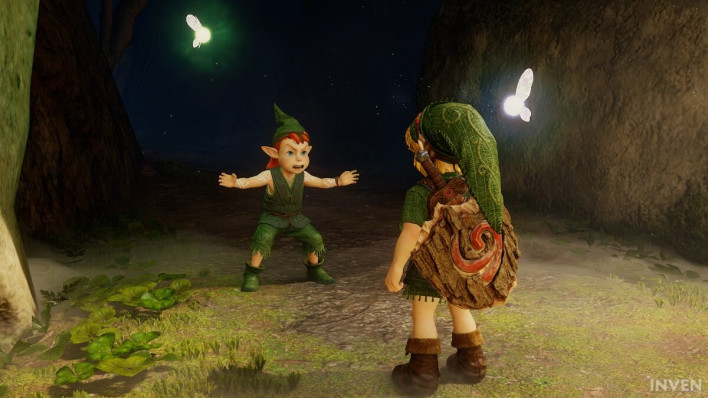
The farewell scene with Saria when leaving Kokiri Forest is another standout. Where the original relied on Link simply walking backward, the remake utilizes expressive facial detail and hesitant animations to convey Link's emotions with genuine narrative depth. This is a moment players should experience firsthand when the game releases.
Throughout most of the franchise, Link remains a silent protagonist. As a result, this evolution in camera direction and character animation, combined with upgraded graphics, allows newcomers without nostalgia for the original to enjoy a game that feels thoroughly modern.
Z-targeting remains intact, controls feel more intuitive Exploration revamped through manual jumping and dungeon traversal
The journey through Kokiri Forest mostly follows the original layout. Elements like the Kokiri child explaining Z-targeting, the child offering tips on the way to the Kokiri Sword, the shop, and picking up and throwing rocks remain familiar.
However, subtle tweaks have been added. On the path to obtain the Kokiri Sword, players must climb a ladder and use the jump button to proceed. Rather than being a purely graphical update, the overall layout is expanded, reinforcing the tutorial aspect so players can naturally learn and practice new controls within a larger village environment.
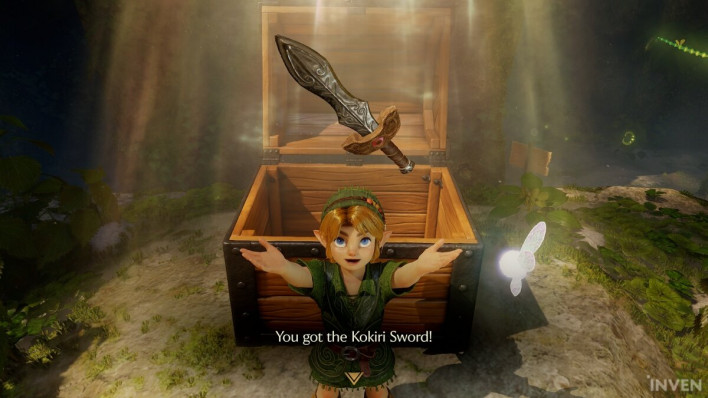
As a result, the dungeon inside the Great Deku Tree — serving as the first real test of combat and exploration — balances continuity with the original while guiding players through new mechanics across multiple scenarios.
The overall combat design preserves the spirit of the original through the iconic Z-targeting system. Dispatching Navi toward an enemy shifts the camera angle to establish a focused, 1-on-1 duel atmosphere. Unlike games centered on sweeping through hordes of enemies on open battlefields, combat maintains a deliberate focus on individual encounters.
However, actions that used to share the A button — such as backflips, side hops, and jump thrusts — are now executed alongside the jump button. Performing jumps and attacks using distinct buttons in this remake feels noticeably more intuitive. For players accustomed to modern action games, this control scheme will feel immediately natural. At the same time, single-button contextual execution remains available.
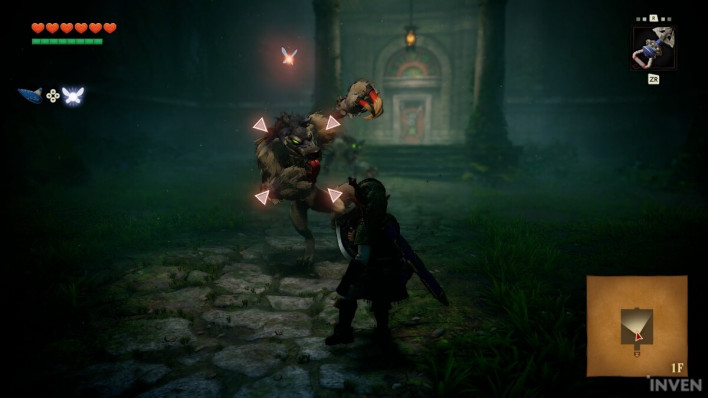
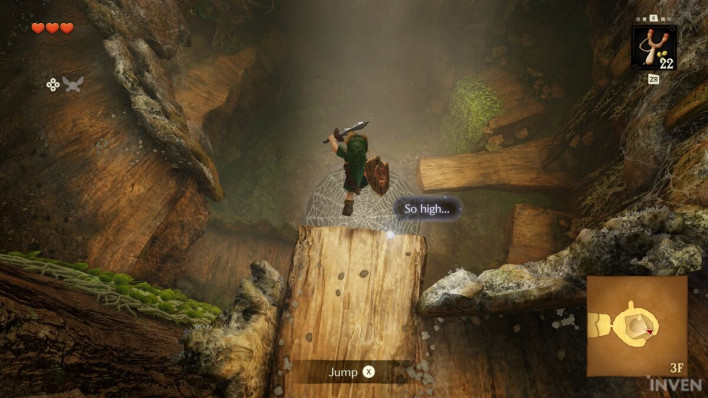
The exploration inside the Great Deku Tree allowed play up to the point where Link leaps from the top of the tree onto a spiderweb to proceed to the next area. The dungeon structure, item locations, and enemy types match the original. However, because the scale around Link has been enlarged, subtle structural adjustments are noticeable.
For example, in the original version's Compass room, hitting a switch raised platforms that allowed players to leap across two platforms directly to the treasure chest. In the remake, players must hop across three platforms, including one rising on the left, to reach the chest. This change appears to stem from platforms being rendered larger and clearer, as well as the manual jump mechanic granting players more direct control over movement.
Enemies have also received tweaks to their mechanics. For instance, striking the carapace of a Skulltula causes it to spin, exposing its weak point for a direct strike. Additionally, ranged weapons like the Fairy Slingshot can now target enemies while in Z-targeting lock-on mode.

Overall, the changes demonstrate active integration of expanded action options, ironed-out frustrations from the past, and adjustments that accommodate more varied and skill-based techniques.
NPCs in the exact same spots, town expanded into a single seamless hub A distinct atmosphere contrasting with the misty Kokiri Forest

After wrapping up the initial segment, players get their first look at Hyrule Castle. The vast expanse of Hyrule Field feels as gorgeous and grand as teased in trailers. From individual blades of grass underfoot to distant landscapes, the visual presentation offers a striking contrast to the foggy, close-walled ambiance of Kokiri Forest.
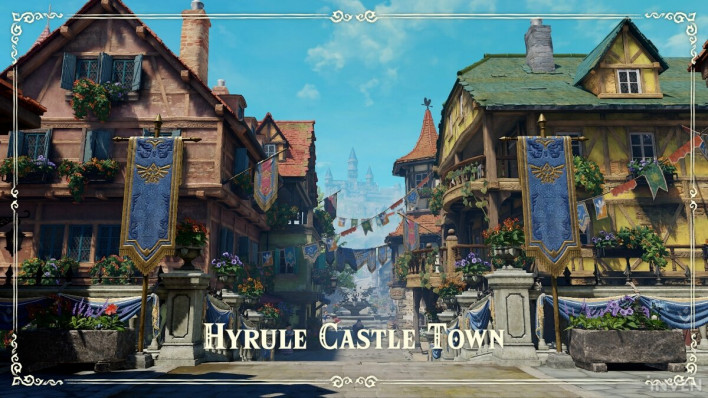
Hyrule Castle Town is where the impact of a full 3D camera control system is felt most clearly. In the original, the market town was divided into separate sub-zones, each using fixed, changing camera angles. It felt more like a cluster of small hubs than a single town, making it feel compact yet fragmented.
In contrast, the remake presents the town as a single seamless space with full free-camera movement. Exploring the town without loading screens allows players to appreciate rich environmental detail. In particular, the textured stone walls and alley details make it hard to believe this is the same location from decades ago.
Alongside these visual upgrades, returning characters and elements preserve a sense of nostalgia. The brothers offering hints about secret grottoes in Hyrule Castle, the dancing couple, and the woman walking her dog all stand in their familiar positions to greet Link.
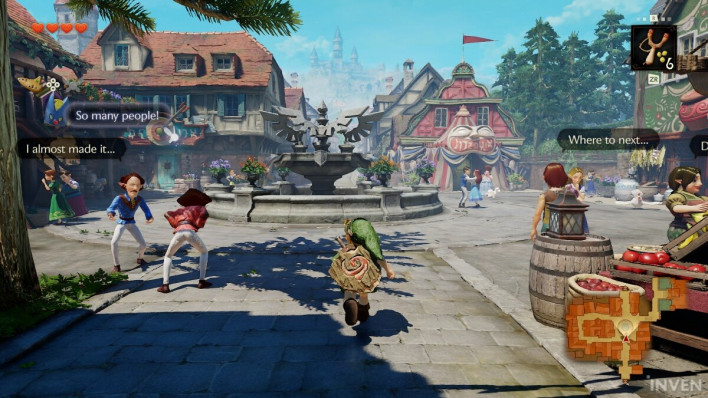
Shops are located right where fans remember. The target-shooting Slingshot mini-game, which cost 20 Rupees per attempt in the original, cost 10 Rupees in this demo build. Lower cost means more attempts, but cheaper or not, a missed shot is still a waste of money, so I refrained from blowing my wallet.
Walkthroughs of the past, Link of the present Classic dungeons inherited, fresh spins added on top
Following the brief exploration of Hyrule Castle, the remaining nearly one hour of the demo was dedicated to clearing the Forest Temple as Adult Link.
Clearing the Forest Temple proved manageable as memories from over a decade ago slowly resurfaced. While memory faded in a few spots during the demo causing some detours, looking back, the classic solutions still mostly apply. Much like the Deku Tree, the overall structure of dungeon progression stays true to the original experience.


Of course, it isn't an exact replica either. Structural differences stemming from re-scaled environments, enhanced character models, and subtle tweaks during standard puzzle-solving alter the overall feel. By modifying object interactions while preserving core puzzle architecture, the remake introduces fresh twists to dungeon traversal.
The biggest change is indisputably manual jumping. Combining the Hookshot — which pulls Link toward specific anchor points — with a dedicated jump button opens up movement trajectories previously impossible as Adult Link. While climbing ledges or jumping across gaps doesn't radically disrupt the linear progression of Ocarina of Time, it grants freedom to manipulate objects and navigate dungeon rooms in brand-new ways.
Another differentiator is visual fidelity. Unlike the original hardware, which struggled with specular highlights and reflection, the remake makes full use of modern lighting capabilities. By strictly rendering pitch blacks and bright highlights, dungeons feel darker and more exciting to explore. Darkened corridors accentuate surprise enemy ambushes, drawing players deeper into the screen. In certain areas, hints are hidden within shadows, encouraging closer inspection of surroundings.
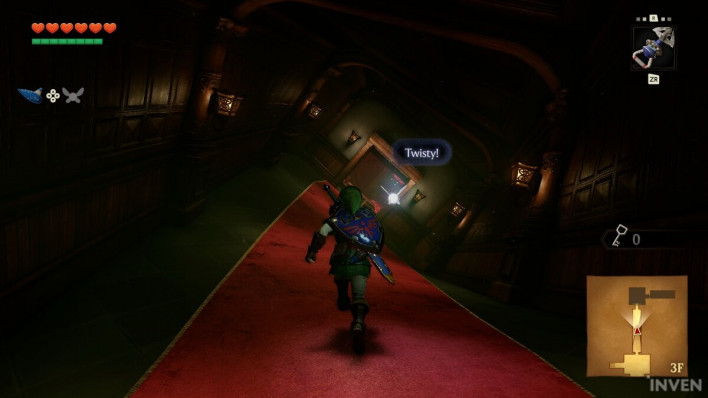
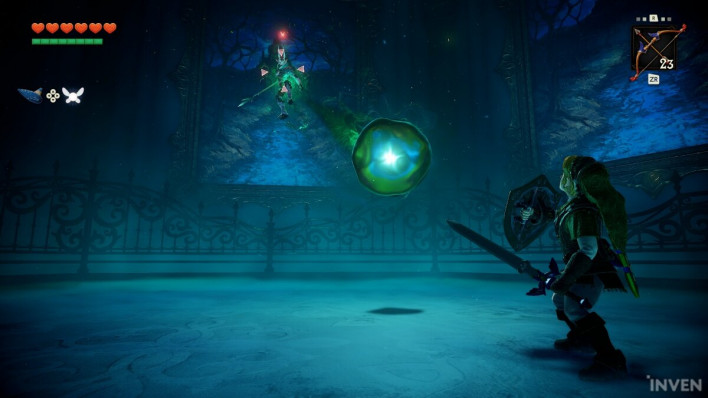
In particular, the twisted hallway sequence — iconic even back in the day — gains an extra layer of eerie mystery through refined textures and realistic lighting. This elevated presentation shines during the encounter with the Poe Sisters who steal the temple's flames. Piercing through their tricks and striking a fleeing ghost causes flames to ignite, elevating the fight beyond attacking polygon meshes into a genuine ghost hunt. Furthermore, when only the final Poe sister remains, an added animation shows her flying into a rage upon realizing her sisters have fallen, conveying emotion without a single word of dialogue.
The hands-on session wrapped up with the boss fight against Phantom Ganon. The classic battle setup, complete with Phantom Ganon riding through paintings, remains intact, along with the signature mechanics required to defeat him.
A flagship title to truly kick off the Nintendo Switch 2 era Leaving the remaining story to be experienced firsthand
Detailed combat mechanics and specific puzzle solutions experienced in the demo are best left unspooled, preserving the joy of discovery for launch day. Veterans who played on the Nintendo 64 or Nintendo 3DS will appreciate discovering how much has evolved, while newcomers will see firsthand why this game, along with 'Super Mario 64', is credited with building the foundation of modern action-adventure gaming.
Hands-on preview events for highly anticipated games can sometimes be a double-edged sword. Getting an early sample of the fun can spoil moments intended for full release and potentially dilute excitement.
However, this short two-hour preview session only heightened anticipation for the full release. Need I say more than the fact that it prompted me to boot up the original Nintendo 64 version of Ocarina of Time on Nintendo Classics right after?
In less than a year and a half since launching the Nintendo Switch 2, Nintendo has built out an exclusive lineup at a rapid pace. 'The Legend of Zelda: Ocarina of Time' stands poised to mark the true beginning of the Nintendo Switch 2 era. The preview demonstrated impressive polish across the board, making its launch on November 5 all the more exciting.