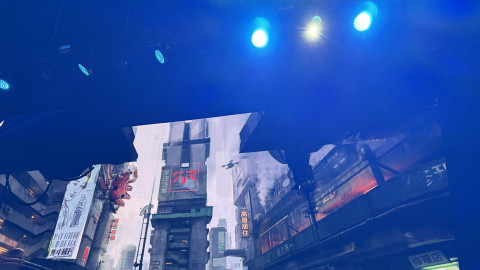
The highly anticipated title that became a hot topic in the community after its reveal earlier this year, 'Astrae Oratio,' officially met players through a Closed Beta Test (CBT) on October 2. While it previously appeared at TGS 2026 to introduce itself to a global audience, that build only offered about 30 minutes of content including story, leaving fans naturally curious about what came next.
Even from the TGS 2026 demo, the developers made clear their ambition to share their dream based on memories of the classic works they enjoyed in their youth. Deep traces of this were evident, from the Shindenki genre framing to the combat system crafted to move beyond traditional turn-based constraints. The CBT confirmed that this wasn't just a teaser; they are truly all-in on this single path, akin to practicing ten thousand straight punches. In some ways, it feels anachronistic, but that is precisely why it sparks romantic nostalgia and promises a lasting glow alongside cherished memories.

Unfiltered Classic Shindenki Aesthetics From analog vibes, settings, and structure to direction and comedy tropes
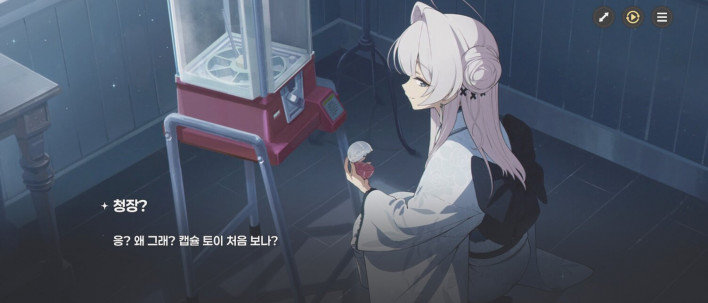
The 'Shindenki' genre moniker championed by Astrae Oratio is itself a statement of direction. Even among ACG (anime/comic/game) fans, some may have only heard the term recently, as it was primarily used from the early 1990s through the late 2000s.
While it resembles urban fantasy in its modern city setting, Shindenki traditionally carries an unwritten rule: the mysterious realm of magic coexists with everyday life yet remains distinct, avoiding major disruption to the lives of ordinary citizens. Over time, as Japanese light novels shifted toward school life settings and modern urban stories filled with fantasy tropes gained popularity, fewer works strictly adhered to this rule, leading to the broader term 'urban fantasy' becoming more widely used.

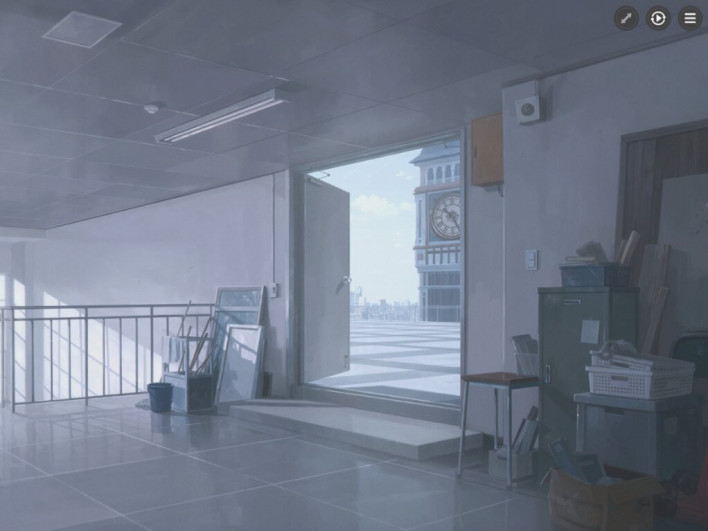
Yet by insisting on the Shindenki genre, Astrae Oratio immediately feels comfortably familiar. In stark contrast to the thin linework popular in modern subculture titles, its character illustrations and models feature distinct, tangible pen strokes. From analog props reminiscent of the late '80s to early 2000s to auditory cues like subway departure chimes, fax machines, and the crackling static at the start of a VHS tape, the game is fully armed with retro nostalgia across both visual and audio dimensions.
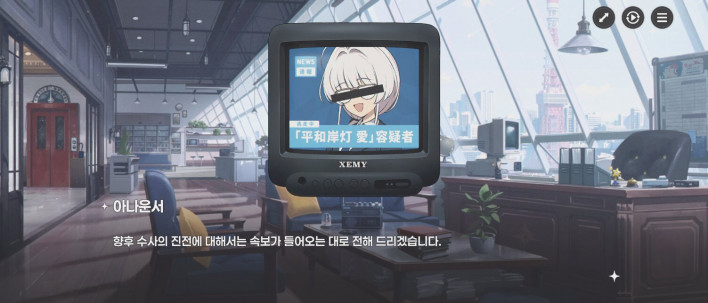
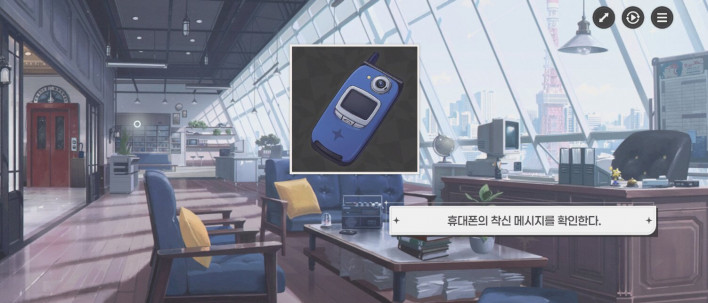
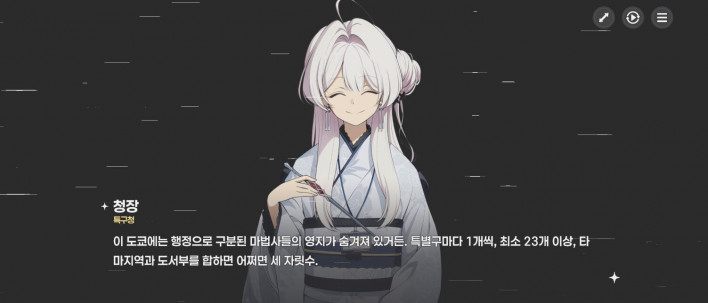
Another unusual choice is driving the narrative with the long-form pacing and framing of visual novels that subculture gamers devoured back then. Typically, mobile games follow a formula: brief tutorial narrative, clearing stages step-by-step, and gradually unlocking progression content. Astrae Oratio smashes that mold. After the tutorial, players must sit through a prologue story that takes roughly an hour and a half on unskipped auto-play before finally advancing to the next phase. This structure calls to mind everything from visual novels to the uncompromising stubbornness of Hideo Kojima. The reason for mentioning the latter is that you can truly sense the team's uncompromising intention to present 100% of their creative vision without concession.
The story begins when the protagonist—the player's avatar, known as the Chief—is suddenly summoned by Commissioner Ai Hiwagishiakari to the Special District Office. Having just submitted a resignation letter, the Chief arrives bewildered at an unheard-of department, only for Commissioner Ai to spout cryptic facts about the magical world before dropping a bombshell announcement of an impending purge. It follows the classic setup of an ordinary person thrust into a world of magic, thoroughly confused by unfamiliar terminology—though fortunately, proper nouns have been pared back somewhat and reading-aid furigana/ruby text is kept to a minimum.
From there, the story expertly handles a familiar hour-and-a-half arc: conflict and crisis with the Inner Cabinet, the protagonist's awakening, the resulting awakening of a heroine endowed with mysterious powers, and the complete erasure of all traces of the incident once resolved. Homages are also thoughtfully integrated. The moment Commissioner Ai enters the Inner Cabinet's domain strongly recalls 'The Garden of Sinners' (Kara no Kyoukai). While Commissioner Ai is far more sly and comedic than Touko Aozaki, her detached, cynical air and cryptic commentary carry a similar resonance. Even while invoking familiar archetypes and narrative setups, the pacing gracefully transitions into a new normal without losing its unique identity—a testament to seasoned storytelling that clearly defines Astrae Oratio's own distinct flavor.

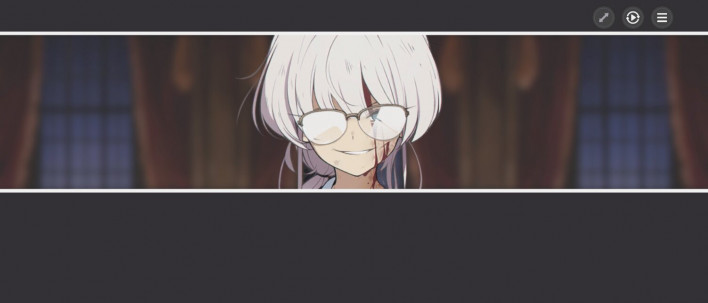

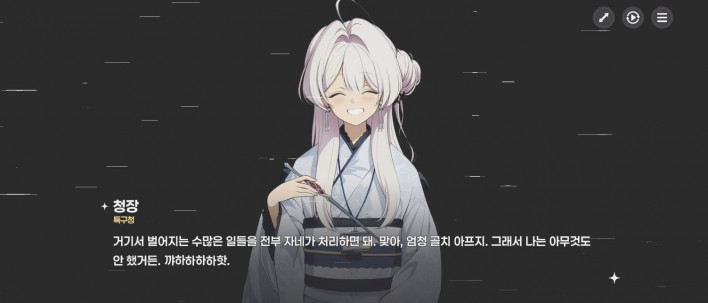
Ultimately, after a fleeting whirlwind with Commissioner Ai, the Chief takes over as Acting Commissioner, encountering incidents and shenanigans steeped in late Showa (1970s–'80s) to early Heisei (1989–2019) tropes. These include midnight commotions triggered by chain reactions of misunderstandings, underwear mishaps upon entering a messy high school clubroom after hearing the word 'hunting,' and vulgar slang used by an elegant young lady as a gap-moe contrast. If this style feels unfamiliar, thinking of 'Ranma ½' provides an easy benchmark. It goes so far in this direction that even in Japan, where such tropes need no explanation, some might consider it over-the-top. Furthermore, unlocking additional features requires completing Main Story Chapter 1 after the prologue, proving the developers' genuine commitment to story and presentation.


Combat That Demands Both Mind and Reflexes Tracing the evolution beyond simple "you hit, I hit" turn-taking
While narrative is paramount, Astrae Oratio is an RPG rather than a pure visual novel, making its combat design equally critical. Teasers and the TGS 2026 demo already revealed an experimental turn-based RPG structure, so it is worth examining what sets its combat apart.
Traditional turn-based combat often evokes the back-and-forth flow of chess or shogi, where players only act during their own turns. While this static nature offers strategic depth in reading moves, it can lack visual intensity compared to other genres. Famously, a Final Fantasy developer once fell asleep during a turn-based RPG, prompting them to create the Active Time Battle (ATB) system to inject real-time tension into combat. Over time, turn-based RPGs evolved well beyond simple turn-swapping to incorporate more dynamic mechanics.


Astrae Oratio adopts elements from this evolutionary timeline and tailors them to its own structure. It combines AP-based resource management with real-time input urgency, requiring players to queue actions before the enemy's action gauge fills. Even during your turn, enemies will act the moment their gauge caps, forcing quick play. This is paired with a combo system that lets players string attacks until AP is exhausted. Since battle skills go on cooldown after a combo, players must carefully calculate skill sequences to minimize downtime. Charging the gauge with basic attacks and battle skills eventually unlocks Ultimate Skills.
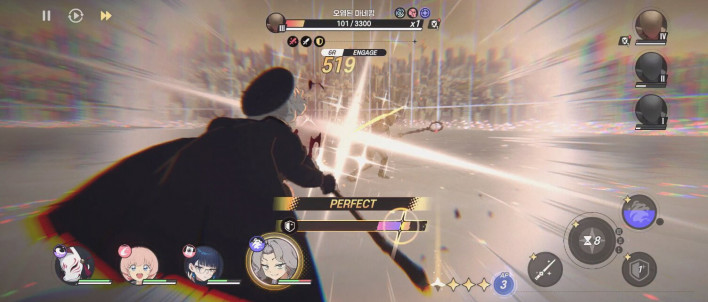
A distinctive feature is its 1-on-1 tag-team battle setup, departing from standard party turn-based mechanics. The first party member takes the vanguard position, and players swap characters on the fly to extend combos or react to incoming threats. Enemies also present one active combatant at a time, tagging in substitutes when defeated or upon specific triggers. Furthermore, enemy attack patterns vary significantly. While basic attacks can be interrupted with preemptive strikes, heavy attacks marked with a yellow shield require precise button presses to counter. Unstoppable red attacks demand tagging in a Defender-class character to activate tag skills and minimize damage. Certain enemies also use purple attacks, which must be countered by tagging in a Breaker-class character specializing in gimmick handling and Break status infliction.

Rather than passively queuing skills on your turn, Astrae Oratio centers combat on reading enemy patterns and responding appropriately. The design recalls recent titles like Clair Obscur: Expedition 33, while carrying fighting-game nuances as noted in developer interviews. Even in CBT, it strictly enforces a 'learn the counter or take damage' ethos. Enemies take drastically reduced damage from non-weakness elements, and purple attacks cannot be broken by just any Breaker—specific characters are required for specific boss mechanics. Consequently, team composition requires careful thought, demanding an understanding not only of the six roles (Breaker, Sweeper, Attacker, Supporter, Anchor, Defender) but also of individual character traits.
Red unstoppable attacks become particularly lethal at higher difficulties, making them almost impossible to survive without a Defender properly set up to block. However, because Tag Skill cooldowns are quite long, players must proactively swap to a Defender before the unstoppable attack warning appears, utilizing the Defender's full battle skill kit to pre-cast shields and absorb the hit.

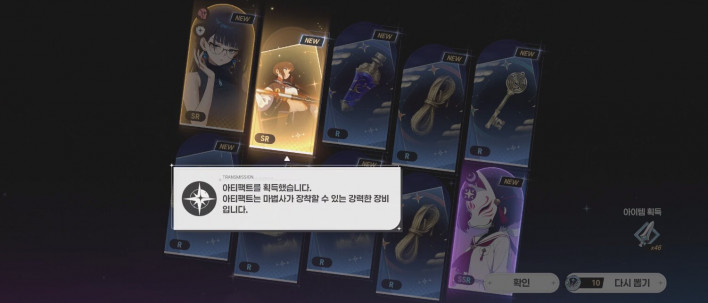
Alternatively, players can interrupt enemies before unstoppable attacks hit. This is achieved by triggering a Break with a Breaker or activating a character's trump card, 'Territorial Declaration,' to extend offensive pressure. Trigger conditions for Territorial Declaration vary by role and character; it acts as a Fever Time mechanic that restores AP, resets skill cooldowns, and provides distinct buffs. In this CBT, my first SSR draw was Kanon, a Sweeper whose fully charged battle skills deal AoE damage to benched enemies as well. The downside is a long 5-turn cooldown on fully charged skills. However, since Kanon's Territorial Declaration triggers after using battle skills 6 times, I could weave quick basic attacks and skills, fully charge on the 6th use, activate Territorial Declaration, and immediately execute another full charge to unleash back-to-back AoE barrages that decimated enemy ranks.

On the flip side, while these mechanics set the game apart from typical mobile titles, standard 3-star clearing conditions obscure some of that tactical appeal. Since stages require clearing within 10 rounds, allowing enemies to launch even one unstoppable attack can make turn limits extremely tight. While absorbing attacks with a Defender feels rewarding, brute-force DPS pushing proves far more reliable for securing 10-round clears. The developers introduced the Score Trial boss content at Level 20+ to highlight high-level tactics, but the long story progression required to reach it feels abrupt and unpolished in the current build.

True Aesthetics Built on Uncompromising Passion, 'Astrae Oratio' Hoping to shine brighter next time through UI/UX refinements and stage polish
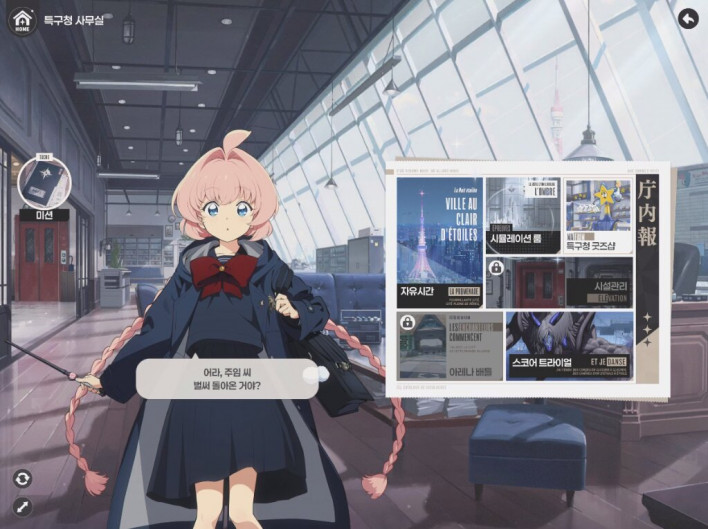
Following Astrae Oratio since its initial reveal, the defining keyword that comes to mind is 'uncompromising vision.' Regardless of market trends or external pressures, the development team has stubbornly pursued their own creative ideals. While this has successfully established a vivid artistic identity unique to Astrae Oratio, several hurdles remain to be overcome.
Strong creative conviction often leads to friction in UI and UX design. Interface design typically evolves convergently around established player routines; ignoring these conventions in favor of creative stubbornness easily creates friction for players. Diving straight from the tutorial into an extensive prologue is an unconventional pace that will divide opinions. Furthermore, the UI and text elements are generally small, prioritizing lore-heavy flavor text over functional readability and reducing overall intuitiveness.
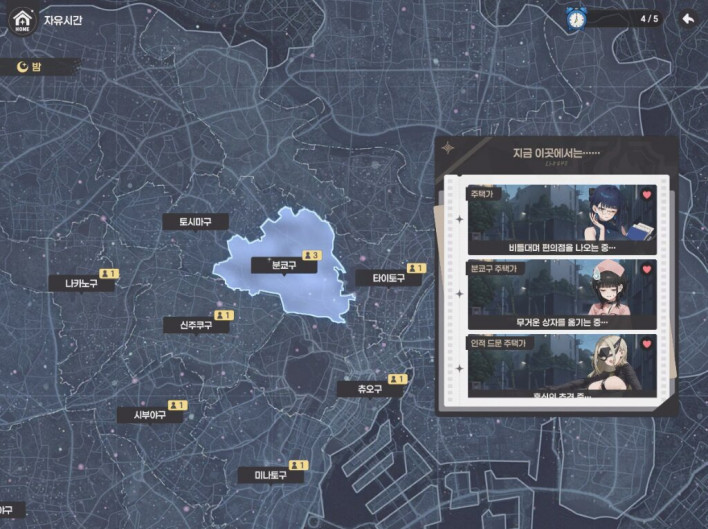


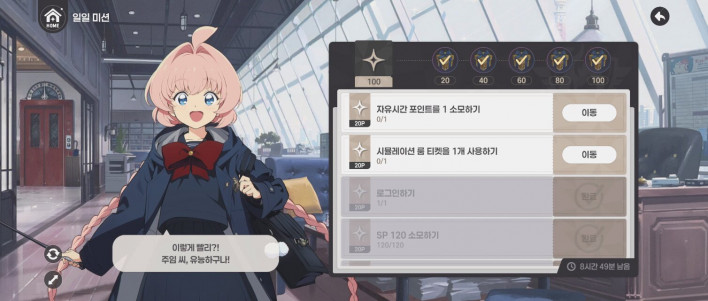
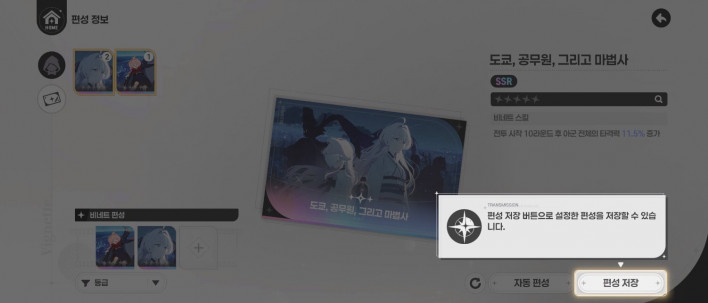
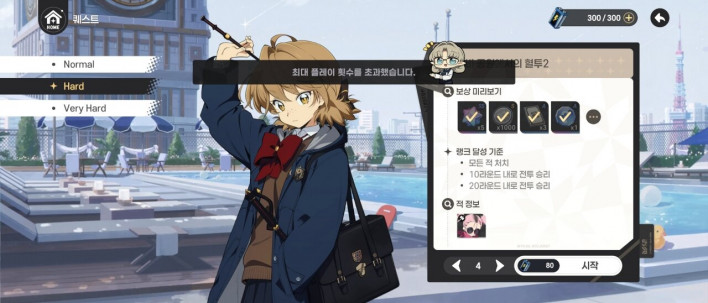
The formation and party setup UI is also subtly awkward. Slot 1 is crucial as noted earlier, yet correcting party order requires clearing slots manually and reassigning characters. Adding simple drag-and-drop reordering would improve quality-of-life significantly. Additionally, missions and quests are overly fragmented, and unskippable cutscenes play upon every entry. This suggests aesthetic flare took precedence over user experience. While the art style is impeccable, unprompted visual flourishes quickly induce fatigue, turning impressive animations into tedious loading delays over time.


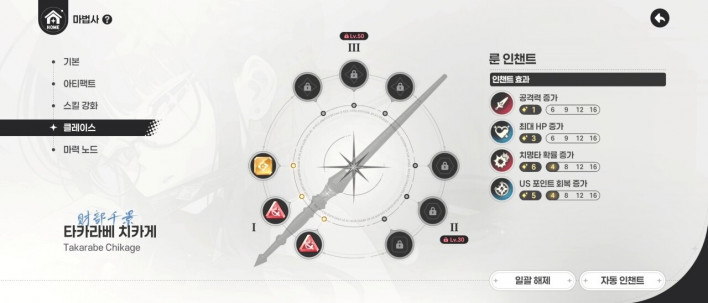
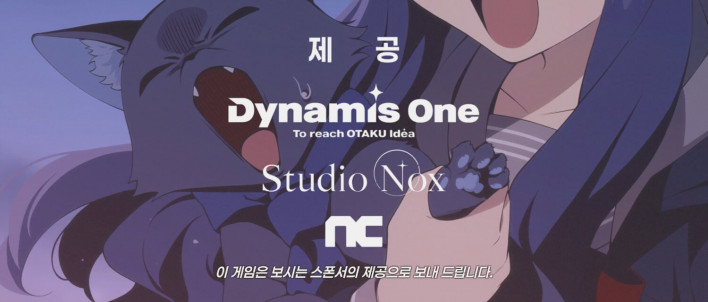
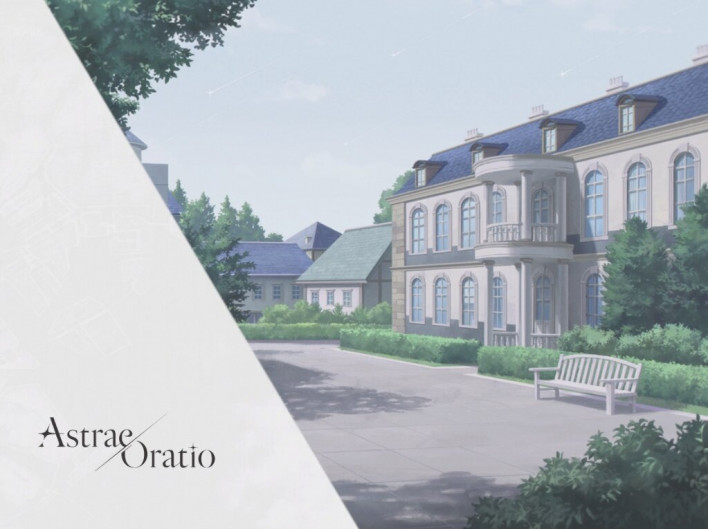
These micro-loadings are frequent throughout Astrae Oratio. The development team's dedication to anime-style presentation brings to mind classic eyecatches and sponsor announcements ('Kono bangumi wa goran no sponsor...'). The mid-battle phase transitions are clearly designed to mimic anime commercial bumpers. However, this repeatedly disrupts gameplay pacing, creating a choppy experience. While the intent to evoke a classic anime vibe is well-executed in quality, adjustments are needed if it hampers gameplay flow. Such transitions should be toned down during minor enemy encounters or reserved for milestone cues—such as exceeding 10 rounds to signal a restart.
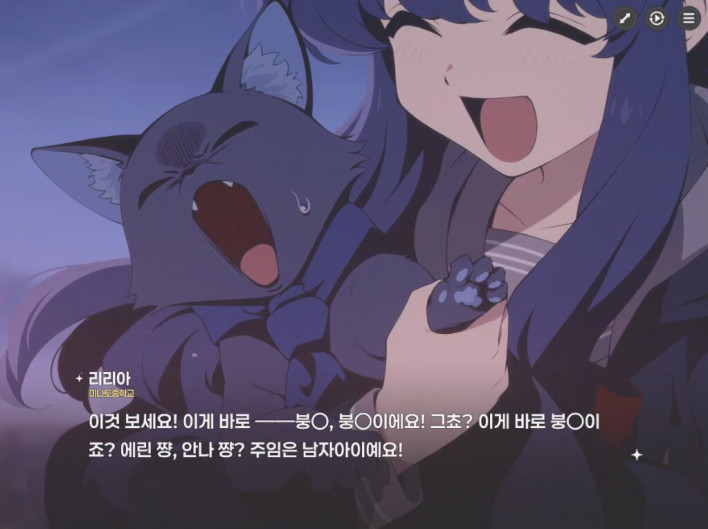
Beyond fatigue concerns, the comedy tropes walking the line of late Showa to early Heisei sensibilities carry inherent risk. A case in point is Riria's crude testicle joke. As a young lady from the prestigious Fujiwara clan—a historic surname in real-world Japan and the highest noble family in-game—her coarse dialogue serves as a subversion of expectations. However, delivering tropes from an era where romance and coarseness coexisted so directly can prove jarring to modern audiences.
In short, Astrae Oratio is a title forged with singular, unwavering focus along a single path. Polarizing opinions are inevitable. Nevertheless, the attempt itself deserves high praise. In a saturated ACG market often described as a red ocean, standing out requires presenting a distinct identity with high production values.
By firmly establishing its Shindenki retro sensibilities while adding strategic depth and real-time tension to turn-based combat, Astrae Oratio has clearly showcased its distinct appeal. Heavy narrative reliance brings inherent risks, but global precedents prove that compelling stories can maintain strong player engagement over time. What matters most now is polishing its rough edges without diluting its sharp artistic edge. It will be exciting to see how the game evolves following CBT feedback to weave its new tapestry of memories and dreams.