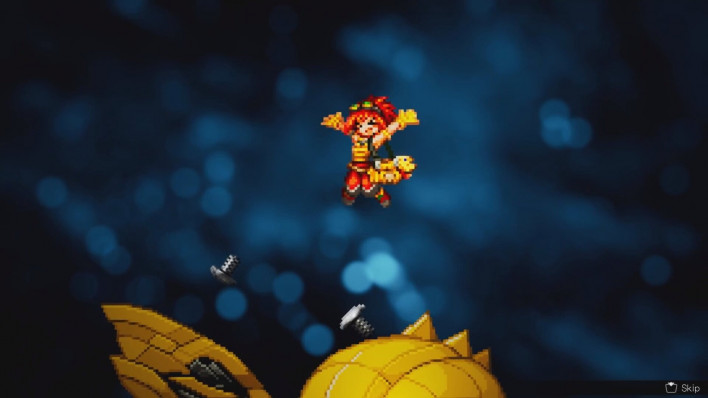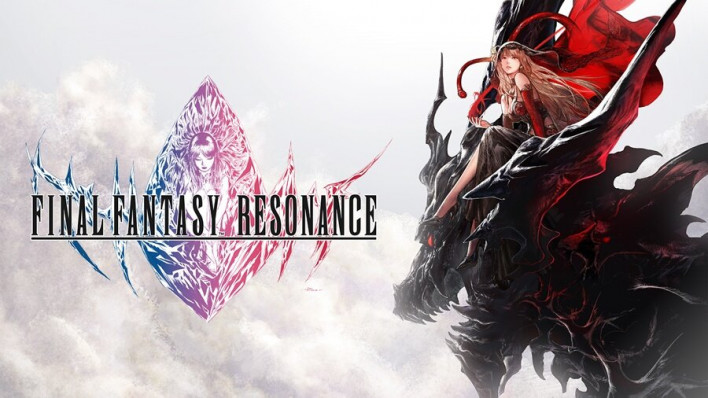
'FINAL FANTASY RESONANCE' (hereinafter 'FF Resonance') is a spin-off title that catches the eye in many ways. While being the first in the FINAL FANTASY series to adopt HD-2D is notable in itself, what really drew gamers' attention was that it remakes the Season 1 story of 'FINAL FANTASY BRAVE EXVIUS' (hereinafter 'FF Brave Exvius'), a mobile game that had shut down its service.
That is not to say there were no concerns. Being the first HD-2D title in the FINAL FANTASY series meant it carried a heavy responsibility beyond being a mere spin-off. While I figured Square Enix wouldn't half-ass it for that reason, the fact that it was remaking a defunct mobile game weighed on my mind. Combined with its adherence to 'traditional' mechanics in a turn-based RPG genre currently experimenting with various innovations, I personally had quite a few reasons for skepticism.
However, playing 'FF Resonance' hands-on wiped those worries clean away. Though unmistakably classic in design, this traditional formula felt remarkably refreshing. The narrative seemed solidly structured, and the presentation reborn in HD-2D delivered far more than a simple remake. Above all, the turn-based combat—which I had assumed would feel monotonous—provided a sense of speed and tactile engagement.
Beyond Simple HD-2D: 'Cinematic Pixel'
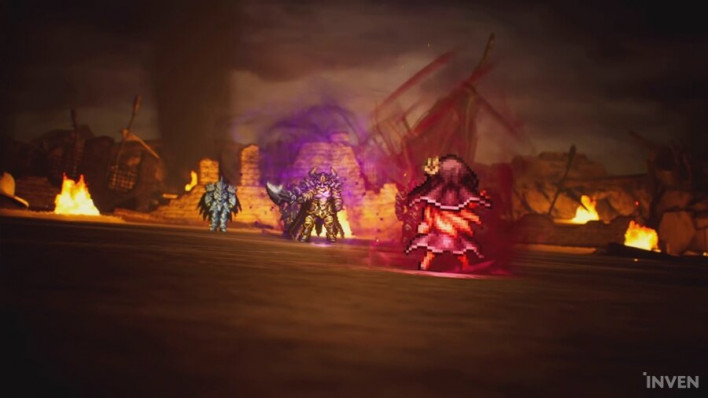
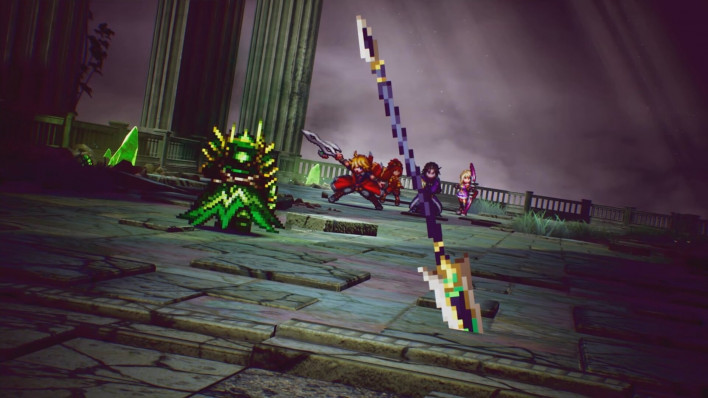
When HD-2D first debuted in 2018, it was nothing short of a sensation. It elevated pixel art—once considered somewhat outdated—into a distinct aesthetic identity almost overnight. Since then, Square Enix has consistently utilized HD-2D across various releases and remakes of classic titles.
Even so, the FINAL FANTASY series had somehow remained untouched by HD-2D until now. Naturally, 'FF Resonance' grabbed attention for its visuals, as it could potentially mark the beginning of HD-2D within the main franchise line.
Hands-on, 'FF Resonance' proved more than capable of carrying that torch. Truth be told, I was lukewarm at first—not because HD-2D is bad, but because eight years after its debut, it felt like an established, well-worn style. Simply put, I didn't expect much evolution beyond what HD-2D had already shown.
Yet shortly after starting 'FF Resonance', I found myself thoroughly engrossed. While being the most advanced form of HD-2D to date was impressive in its own right, what struck me even more was 'Cinematic Pixel'.

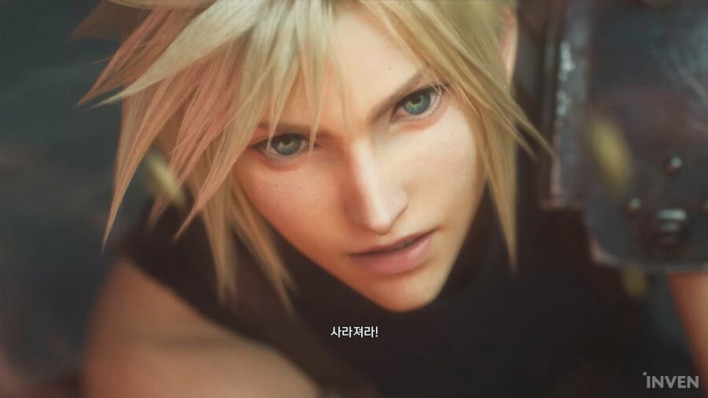
HD-2D is often associated with somewhat squat character proportions, which can sometimes diminish the impact of cutscenes and cinematic moments. 'FF Resonance' overcomes this limitation through 'Cinematic Pixel', a modern technique that pixelates 3D models. While many elements like Limit Breaks and standard in-game cutscenes still use classic character proportions, applying Cinematic Pixel to major story cutscenes elevates the game's sense of immersion to a new level.
Since this hands-on demo only covered roughly the first 30 minutes of the main story, the cutscenes featuring Cinematic Pixel were few and far between. Even so, those brief glimpses were enough to build excitement for what 'FF Resonance' will deliver visually.
Classic Turn-Based Battle, with a Dash of 'Break'
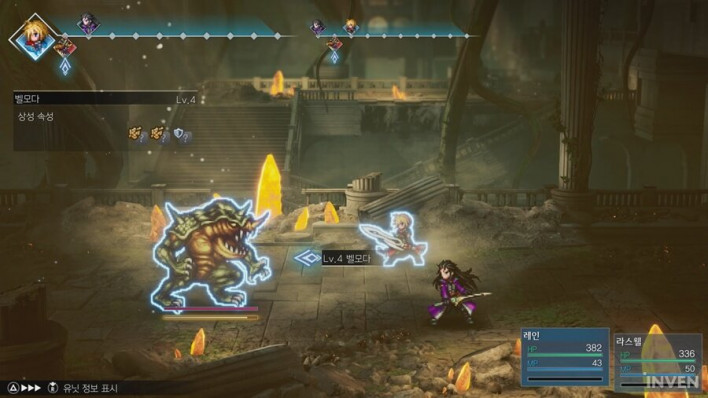
The combat system in 'FF Resonance' closely resembles that of classic FINAL FANTASY entries—now considered retro—sticking to a traditional turn-based design. One notable detail is that it does not use the Active Time Battle (ATB) system, a hallmark of turn-based FINAL FANTASY games. Of course, this was also true of the original 'FF Brave Exvius', making it a faithful inheritance from the original source.
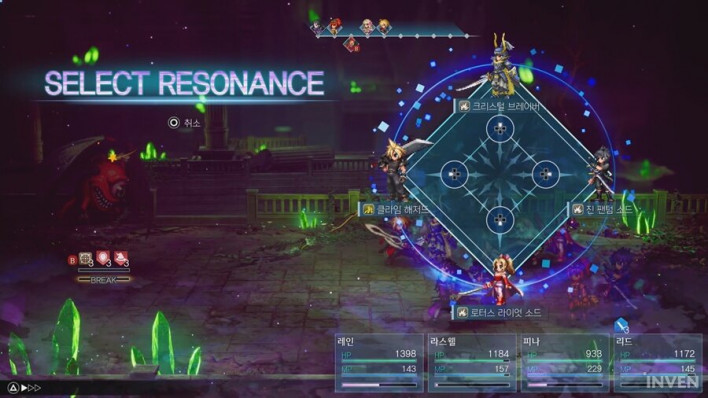
That is where the similarities end. The biggest point of divergence is the Break Gauge. Beneath their HP bar, enemies feature a separate Break Gauge that can be depleted through various means. Basic attacks and standard moves reduce it, but hitting elemental weaknesses depletes it far more rapidly. On top of that, certain skills are specifically tailored to deplete the Break Gauge rather than deal raw damage.
Ultimately, players must choose whether to focus on shaving down enemy HP directly or draining the Break Gauge first. Draining the Break Gauge serves two main purposes: first, breaking an enemy interrupts its actions.

While regular mobs don't require much thought, elite foes and bosses unleash powerful special mechanics during combat. Without defending in advance, these attacks can easily chop health bars in half—or wipe out the party in a single blow. Inflicting Break on an enemy forces these deadly patterns to interrupt.
The second reason is that it creates a prime window for burst damage. Broken enemies take significantly increased damage, and the character who triggered the Break gains an extra turn known as an 'Extra Phase'. Since it interrupts boss mechanics and awards additional turns, actively pursuing Breaks is essential.
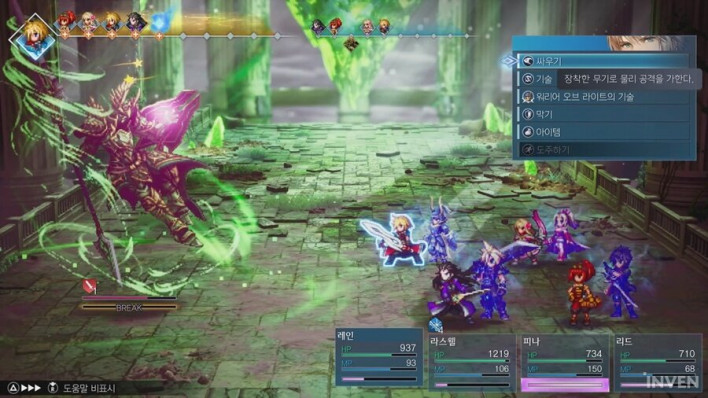
On top of this, there is 'Full Break'. When all enemies are placed into a broken state, the entire party—rather than a single character—is granted an Extra Phase. At the same time, players unlock 'Resonance' skills, which act as ultimate abilities for Vision characters.
That said, blindly rushing for a Break isn't always recommended. As mentioned earlier, holding onto a Break to interrupt a boss's dangerous attack patterns can be far more effective. Rather than triggering Breaks as quickly as possible, players must make tactical decisions based on the flow of battle and enemy mechanics. The Break Gauge effectively adds a layer of deep strategy to traditional turn-based combat.
Series Protagonists Joining as 'Visions'
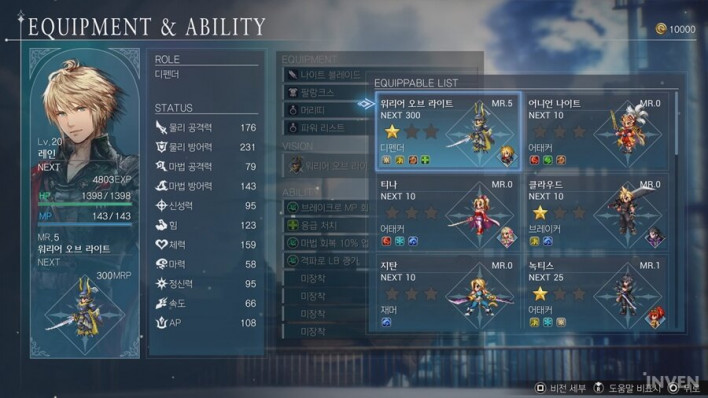
Another standout feature of 'FF Resonance' is 'Visions'. Having classic FINAL FANTASY protagonists fight alongside the party might evoke memories of mobile gacha titles, but in practice, Visions function more like equipment. Players equip Visions much like gear, granting unique skills based on which Vision is slotted.
Vision characters come with defined roles—for instance, Cloud acts as a Breaker and Noctis as an Attacker. This setup allows for versatile team compositions: players can build a character specialized in breaking, or attach an Attacker-type Vision to capitalize on burst windows once an enemy is broken.
However, due to the demo's time and content limits, it was difficult to fully evaluate how deep main character and Vision combinations will evolve in full battles. Even so, the potential for flexible responses to different scenarios was obvious—such as using a Defender-type Vision skill to shield allies from dangerous boss patterns.
In summary, even within a brief hands-on preview, the Vision system demonstrated genuine strategic depth through build variety and tactical applications. It leaves plenty to anticipate regarding how players will mix and match characters for combat in the final release.
First Impressions: A Resounding Pass!
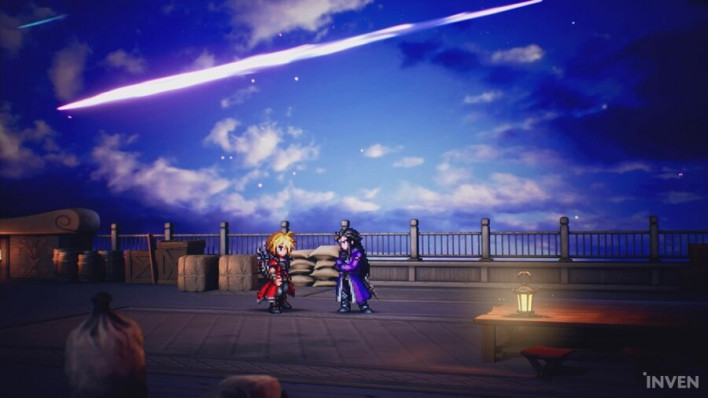
Playing 'FF Resonance' was more than enough to dispel all my initial misgivings. From HD-2D elevated by Cinematic Pixel to job/role combination systems core to turn-based RPGs, and battle mechanics allowing tactical flexibility across various scenarios, there was much to admire. Most importantly, my biggest concern—'Will turn-based combat feel tedious?'—was completely resolved. Throughout the roughly 1 hour and 30-minute demo, I stayed fully engaged without a single dull moment.
Proving to be far more than a simple port—and much closer to a highly polished remake—'FF Resonance' is scheduled for official release on October 22, 2026. As the recent FINAL FANTASY series has shifted toward real-time action RPGs, gamers who miss the era of turn-based FINAL FANTASY will likely find 'FF Resonance' deeply satisfying.