'PUBG: DED.NET', a new title unveiled for the first time by PUBG Studios at Gamescom 2026, moves beyond the standard battle royale formula of 'land, loot, survive' into the roguelite genre.
'PUBG: DED.NET' is a multiplayer FPS in development by PUBG Studios. Set in 1996, its backdrop is the fictional region of Cascadia, inspired by the Pacific Northwest of the United States. It is planned for release on PC, PS5, and Xbox Series X|S, with a console-first approach.
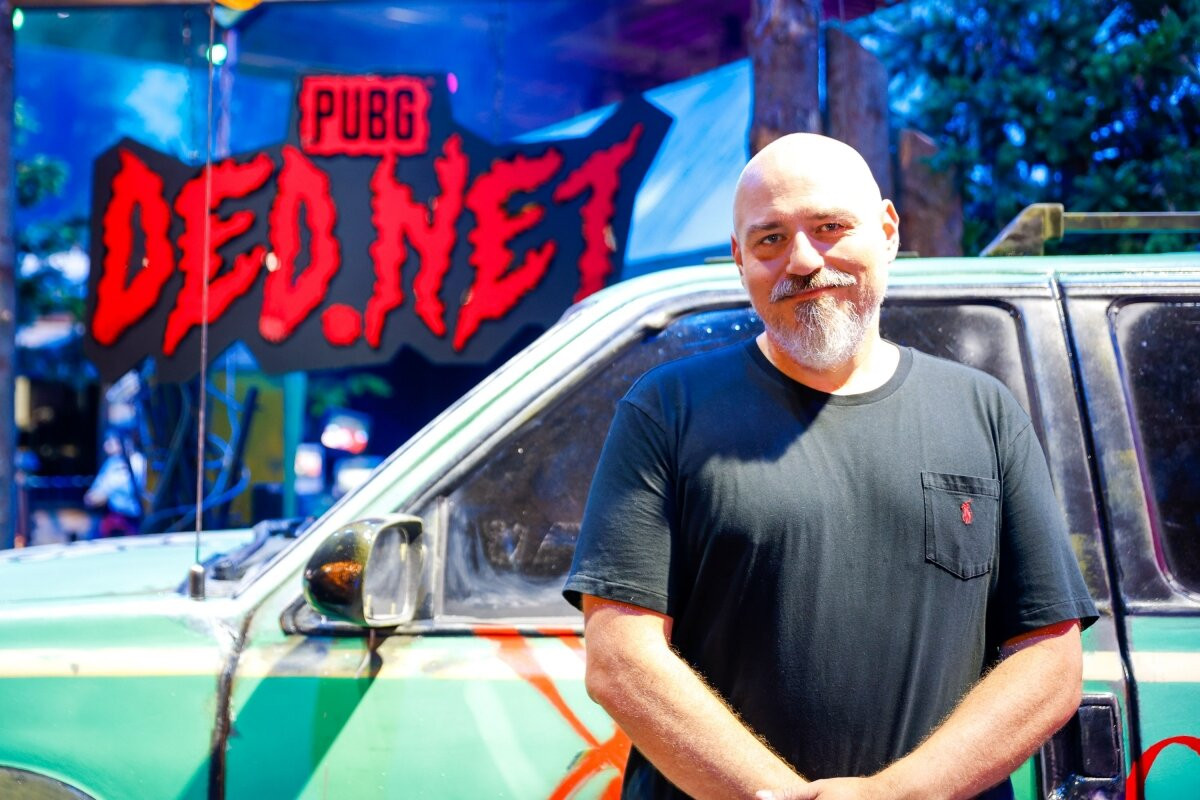
Dave Curd, Creative Director at PUBG Studios, described the game as "not PUBG's twin brother, but its mutant cousin."
The motivation behind making the game began as a critique of existing genres. Curd noted that modern live-service shooters are obsessed with creating an 'even playing field' in order to protect new players while retaining veteran players. He quipped, "It's perfectly balanced—as long as you look up the right way to play on YouTube."
He added, "We felt that at some point, chasing the perfect live-service shooter started getting in the way of providing a fun video game, and we didn't like that."
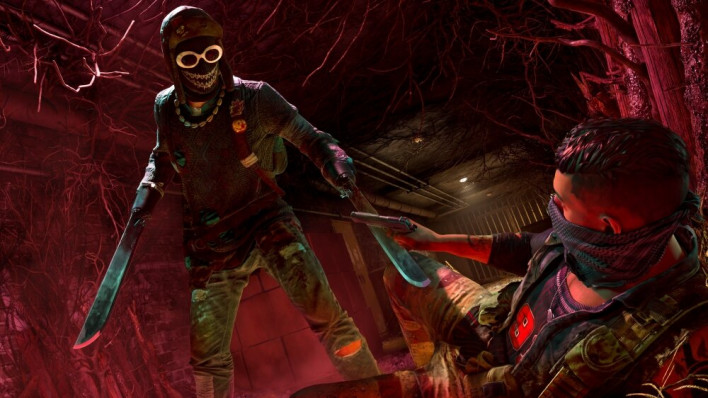
PUBG Studios asked for something fresh, leading the team to channel their experience in building top-tier shooters not into a perfectly fair experience, but into "raw, uncontrolled chaos with higher highs and lower lows". He explained that the goal is a game capable of supporting hyper-competitive play while remaining fun to play casually on the couch with a beer.
The medium chosen to achieve this was the roguelite. Curd stated, "The nature of multiplayer shooters is that only a few win, and ours is no different. But in DED.NET, every time you lose, you get one step closer to the perfect build," adding, "You're not just playing a match; you're doing a run."
A run is a continuous journey spanning multiple matches. Players choose a contestant, set a rough route for how they want to develop their character, and then jump into repeated matches. They start by framing a target character archetype, such as a support role, a fire-cover role, or a melee door-breaker.
As players progress through matches, they acquire 'ROMs'—chips plugged into the head to unlock new gameplay abilities. Curd offered examples ranging from standard perks like faster reload speed or increased dive distance to far more radical choices like slithering flat on your belly like a snake, turning into a small lethal doll, or ripping off a car door to use as a shield.
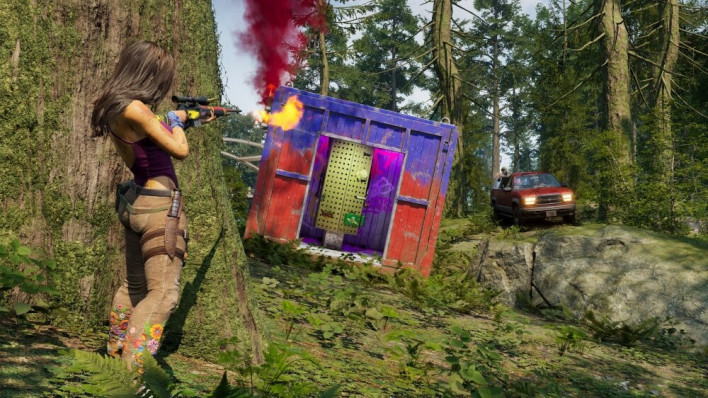
The trade-off is injuries. Wounds accumulate with every match—causing players to cough in smoke, drop their weapon while reloading, or suffer greater penalties in water. Curd summarized the gameplay loop: "Injuries are funny, painful, and become increasingly difficult to manage. If too many pile up, your run ends. You play matches, find ROMs, build power, manage damage, and extract before injuries finally catch up to you".
Injuries are also something players must weigh whether to tolerate or not. He explained, "If it's an injury that puts you at a disadvantage while swimming, you can easily tolerate it by thinking 'I just won't go in the water.' But if it adds a chance to drop your gun while reloading, it's deadly enough to make you want to incinerate your character and start a fresh run." In other words, the tension between what you want and what you need serves as the game's core thrill.
The length of a single run is not set in stone. Citing previous beta and internal tests, Curd mentioned that 8 to 12 matches typically represent a standard run before a character is pushed to their limit, though in response to another question, he gave 6 to 10 matches as the average. He explained that this varies depending on wins and losses, accumulated injuries, and player skill. A single match lasts about 30 minutes for the final survivor.
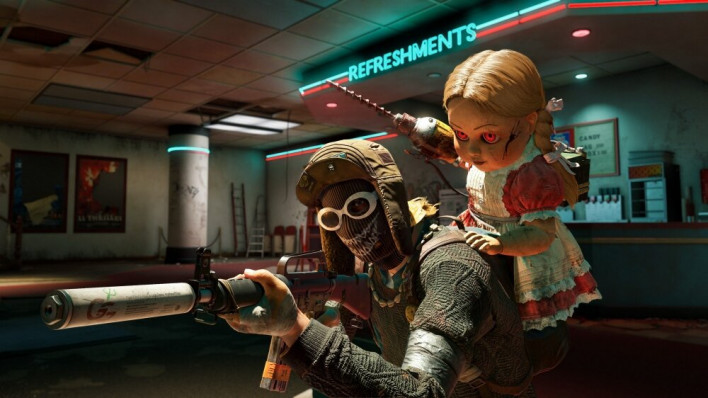
Sixty players participate in a single match, structured around 3-player squads, with the initial blue zone measuring 2.5×2.5 km. Curd noted, "It's more fun with friends, and three is the magic number." The choice of three players stems from asymmetrical engagements. After over two years of playtesting, the team concluded that a 1v4 is virtually insurmountable and a 1v2 lacks excitement, whereas a 1v3 offers slim odds without a predetermined outcome. He mentioned that solo play has been tested internally and will be considered if demand and player base support it.
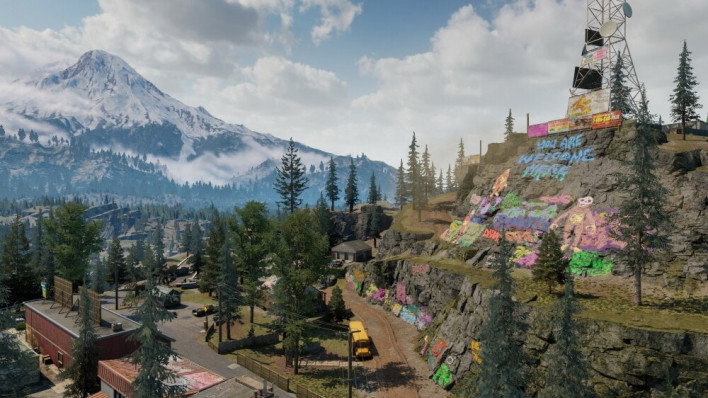
The map measures slightly over 5×5 km. Pointing out key differences from 'PUBG: BATTLEGROUNDS', Curd highlighted verticality. The map mixes towering cliffs with low plains and features the densest forest ever rendered in a battle royale. Players won't know which district of Cascadia will be selected each game, and after a few phases, the blue zone begins to wander, straying from the predictable circle shrink of traditional battle royales.
The differences from 'BATTLEGROUNDS' are evident first in the numbers: 100 players versus 60. Moreover, while everyone in 'BATTLEGROUNDS' starts under identical conditions, all 60 players in DED.NET are at different stages of their runs. A player in their very first match can meet a player on their 12th match in the same lobby.
When asked whether roguelite progression clashes with skill-based PvP, Curd revealed the team's balancing principles. First, numerical stat inflations were excluded from ability designs. He said, "If you touch abilities like 2x attack power or 3x health, it becomes an unfair game that's extremely hard to balance. The magic lies in creating abilities that grant strategic opportunities." Every playstyle must have a path that comes with both strengths and weaknesses.
He added, "Our intention isn't to create something perfectly balanced, but we've invested heavily in making sure players always see a path forward and feel competitive."
He also shared trial and error from development. Early on, a player with five abilities and a player with zero would start a match as-is, which proved brutal for newcomers or players early in a run. This led to the introduction of 'Phase-based Power Gates.' A match features five phases, and at each phase milestone, abilities unlock simultaneously for all players. If I am using four abilities, my opponent is using four abilities too. However, what they invested in differs. A player who invested in situational awareness and mobility meets a player who invested in busting doors and hiding in refrigerators, and watching those abilities clash creates the fun.
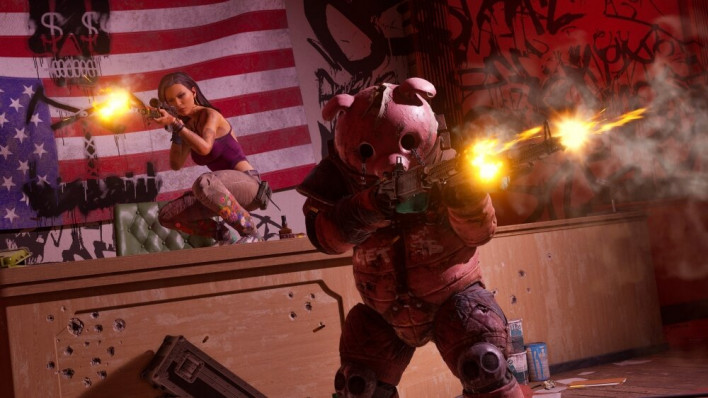
Curd showcased his personal build to illustrate this design. He combines 'Peekaboo'—which reveals outlines of players within 10 meters even through walls or buildings—with the lethally close-ranged 'Blade Hands' and a mobility skill inspired by the diving and sliding of Hong Kong action movies.
On top of that, he plays a boombox to heal himself and his squadmates. He noted, "To turn off the music, you have to kill me, but my hands are blades and I know where you are," sharing his enjoyment of unpredictability rich with counter-plays. He also gave an example of an ambush build pairing 'Creeper'—hiding inside a refrigerator and peeking through the door crack—with 'Killer Vibes,' which vibrates the controller subtly when enemies are nearby.
DED: Dog Eat Dog
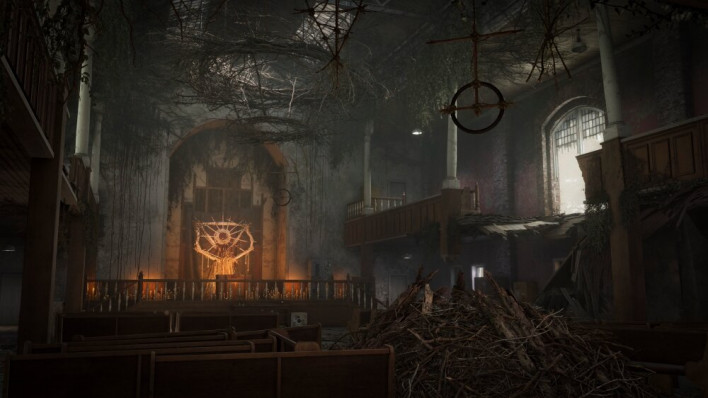
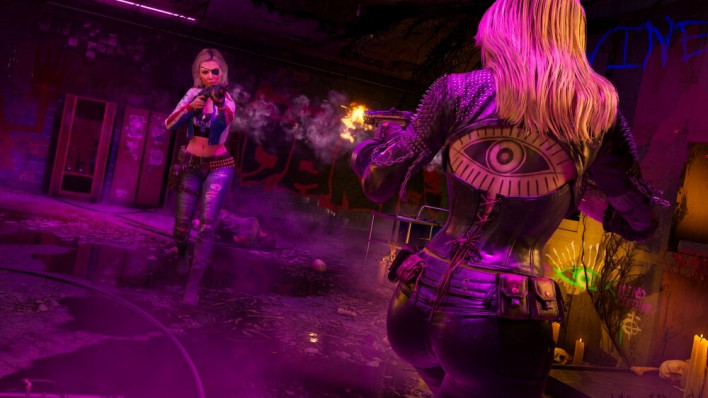
The world is set in 1996 Cascadia. The fact sheet frames the internet revolution, the darknet, reality TV, uncensored violence, horror, and mystery as inflection points of 1990s American culture. In presentation materials, PUBG Studios defined this era as "'90s decay, first reality shows, VHS, internet revolution, grindhouse movies, uncensored violence," anchoring its aesthetics on beauty, mystery, and horror.
They also coined their own term to define its tone: 'GRUNGEHOUSE', which fuses the raw aesthetic of 1990s grunge culture with the exaggerated violence, style, and narrative irreverence of grindhouse films.
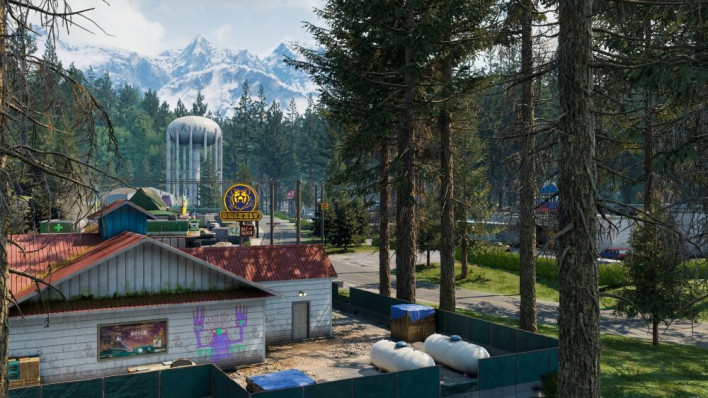
Curd cited the era's nature as a period of transition as the reason for choosing it. He noted, "Think about Westerns or samurai stories—at those moments in history, there is always a clash between the old and the new. Young people at that time used landlines and could disappear outside where nobody could reach them, yet at the same time they experienced modems, dial-up, and the earliest streaming content." However, he drew the line at nostalgia for nostalgia's sake. "Nostalgia alone is cheap and easy. What I want to do is use those cultural touchpoints to satirize the modern world," he explained.
The title captures that satire. Curd said, "DED.NET stands for 'Dog Eat Dog', and if you look around, that's the world we live in." Presentation materials similarly define the game's objective as chasing the throne of 'King of Killers' in an underworld where dog eats dog.
Explaining roguelite progression within the world's lore follows the same thread. Presentation materials describe growth in the game as "bartering your body for power." Trading flesh and safety for strength, with no upgrades being reversible during a run, is the core roguelite rule promoted by the game.
Regarding the reality show theme, Curd first cited Stephen King's 'The Running Man' (written under the pseudonym Richard Bachman). He pointed to framing as the key differentiator. While the surface premise of a tournament with prize money is simple, not all characters are after that prize. Each character has a personal backstory tied to the map, forms rivalries or alliances, and searches for something of their own. Bringing a character to a location meaningful to them triggers voice lines that gradually expand the narrative.
The temporal inspiration came from the emergence of reality TV back then. Curd explained, "Instead of making another big show like 'The Real World' or 'Survivor', what if a strange, small-scale show was broadcast to a very small but wealthy audience? It mirrors today's landscape with a million streamers and a million communities instead of a single monoculture."
This framing ties directly into gameplay. Viewers of the dark web game show intervene in the game. Calling them 'benefactors', Curd noted, "In the beginning of the trailer, a yellow telephone rings and someone desperately tries to answer it. That represents viewers watching from home trying to influence the game and alter the field." He explained that relationships with viewers, not just among players, can determine victory or defeat.
Music anchors the authentic feel of the era. Curd revealed that they licensed music that defined that era, naming Biggie (The Notorious B.I.G.), Wu-Tang Clan, Pixies, and Nine Inch Nails. They set up rap radio stations as well as alternative/grunge stations, which play through shopping malls, dive bars, strip clubs, and car radios—or even from a boombox held by an opponent.
He admitted the licensing process was not simple. "It was my first time licensing music," he explained, sharing that the internal team first built a wishlist of artists and tracks that best evoked the era, reaching out to rights holders over several months to bring it together. Regarding expanding the artist roster and genre scope, he added that the team has many candidates they want and hopes to incorporate player feedback.
Platform strategy marks another point of divergence from 'BATTLEGROUNDS'. DED.NET is going console-first. Curd clarified that there are definite PC plans, but the next closed beta will take place on consoles first. He added, "We're all PC users too," emphasizing that they are giving deep thought to mouse and keyboard controls.
He drew a clear line regarding monetization. When asked whether paid currency intervenes in progression speed or ability unlocks, he answered, "I'm sorry that having to ask such a question is the reality of today's world," before stating, "We don't want pay-to-win. Putting paywalls on abilities and gameplay is poison to both the community and the title." Paid items are expected to be cosmetics, while all gameplay elements will be earned through play.
Regarding the 'BATTLEGROUNDS' IP, Curd commented, "I think major games like these get comfortable resting on past achievements and doing the exact same thing forever. PUBG asks us what else we can do, and what different stories and experiences we can deliver." To counter-arguments asking why it couldn't be added as a mode or ruleset within 'BATTLEGROUNDS', he pointed out that the camera perspective, gunplay, and mobility are all fundamentally different.
He cited the core essence of the IP as the bridge connecting the two games. "When you think of the PUBG IP, two big things come to mind: desperate survival and survival of the fittest," he said. "The reason people keep returning to this game is the feeling of overcoming overwhelming odds to become the last survivor." He explained that even if DED.NET moves at a faster pace and carries abilities across matches, the core DNA remains identical: the most adaptable and clever player making the most of what they have to push beyond extreme limits.
Whether this attempt to dismantle a decade-old formula succeeds ultimately hinges on player base scale. Maintaining 60-player matches requires a large player base, and players must accept the asymmetry of a first-match player meeting a twelfth-match player as fun rather than unfairness. Curd acknowledged this challenge as well, stating that balancing is a major task: "That's why we do playtests, pounding away against new users to test it."
A beta test is scheduled following the Gamescom reveal. Curd remarked, "We've gotten pretty good at just looking at the next door in front of us. The first big door was the Gamescom announcement, and the next big milestone is opening a proper beta to refine the game alongside a broader player base."