'Silver Palace,' another open world dark horse that made a surprise reveal last year, returned for its second CBT on July 23, following its first in January. Given that the first CBT already showcased a Victorian-style open world realized with delicate graphics, compelling characters, satisfying combat, and a story weaving together mystery and fairy-tale motifs, expectations for how much it would evolve were naturally high. Since the previous CBT only offered a glimpse over six days, a key question for this three-week test was how much of the game would be revealed. I was also curious to see how the fragmented elements I had briefly touched upon in the last test would blossom.
To start with the conclusion: Silver Palace is steadily walking the path to becoming a leading next-generation open world RPG. It is clearly honing the elements needed to assert its presence among formidable competitors.
A Balance of Smooth Mystery and Fairy-Tale Motifs
While the trend has softened recently, Chinese-developed subculture games were once perpetually tagged with the term 'proper noun trap.' It was standard for post-apocalyptic games to overwhelm players with new terminology when explaining the world's collapse, and for open world games to do the same while detailing their vast lore. While it is often inevitable to use unique terminology when building a world distinct from reality, the key is how naturally you can make players understand it without needing separate explanations.
Silver Palace resolved this issue from the very beginning. While terms like 'Reactor' and 'LS' appear frequently, the game avoids focusing on the jargon itself. Instead, it presents them lightly—allowing players to roughly understand them as power sources or energy mechanisms—and keeps the focus on the protagonist and the events at hand, driving the narrative quickly from the tutorial.
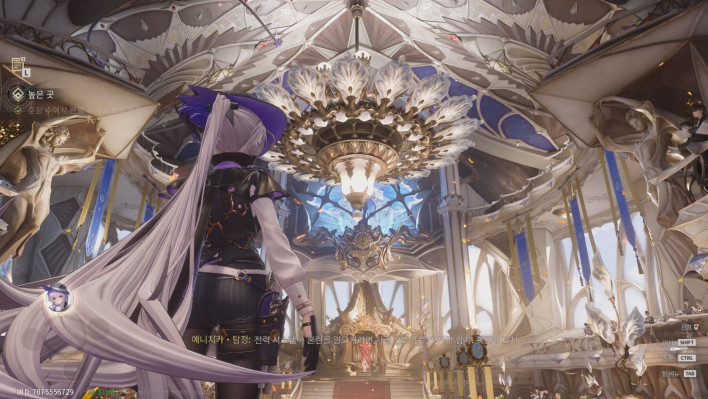
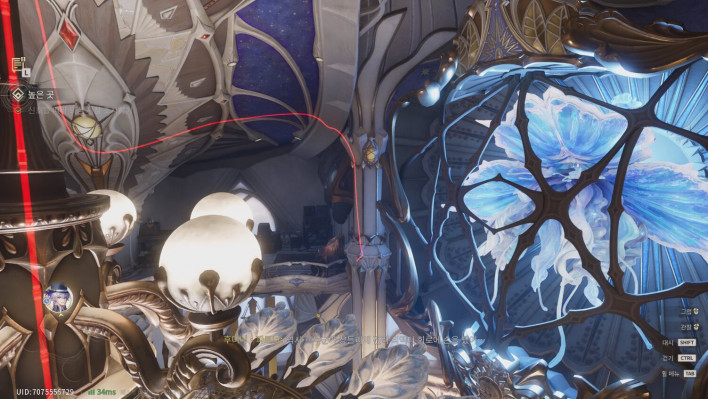

To briefly explain the tutorial: the detective siblings, though commoners, are awarded medals by the Queen for their contributions. During the ceremony on an airship, 'Purists' attempt a terrorist attack to assassinate the Queen. The siblings, having sensed the danger, thwart the first attempt, a process that serves as a tutorial for basic movement and finding clues through interaction. Suddenly, the airship's reactor goes into overdrive, leading into a seamless tutorial for combat and a boss battle.
Despite the protagonists' struggle, the airship crashes due to the interference of the 'Candle Man,' who has appeared as a shadowy figure in previous PVs. The Queen passes away, and the sibling not chosen by the player is struck in the head and disappears during the fall. In the aftermath, the nobility frames the detective—the only commoner on board—for the incident. The detective leaves Sylvania, grieving the loss of family. Three years later, after receiving a letter from their friend, Inspector Lorn, asking for help with a bizarre case, the detective returns to Sylvania to uncover the truth and seek revenge, marking the start of the main story.

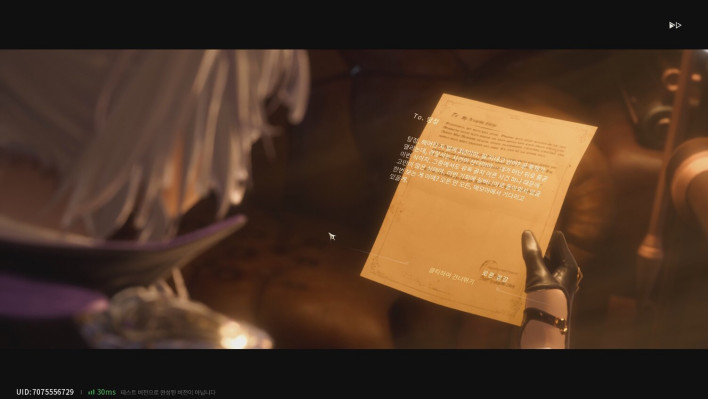
The early story is easy to follow, and the mystery elements flow according to the classic detective-and-assisting-inspector trope, making the narrative highly accessible. A highlight is the 'deduction' segments in virtual spaces, where the detective reconstructs evidence; these are kept short to ensure the pacing doesn't drag. By placing these segments at the end of each chapter, the game maintains the narrative thread while satisfying the player's desire to play detective.
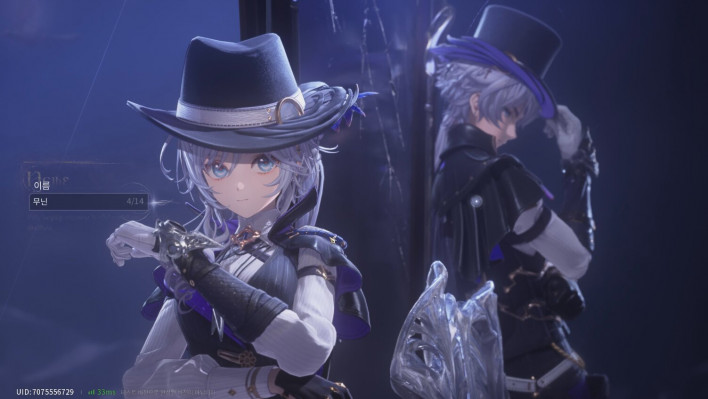
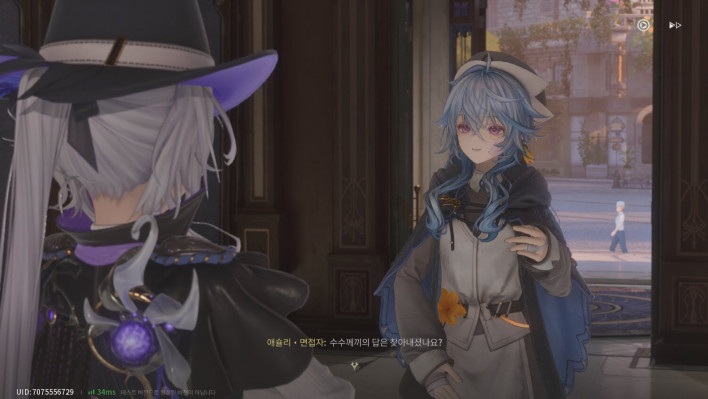
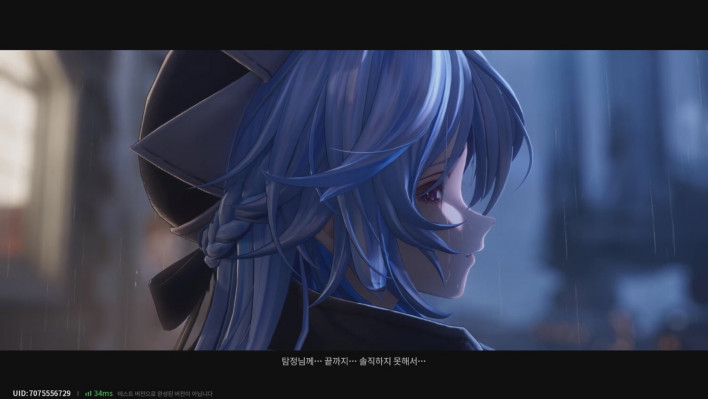
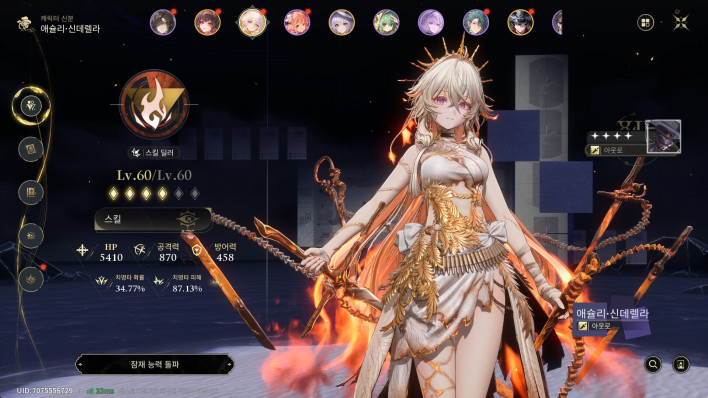
The mystery surrounding the assistant, Ashley, gradually reveals itself as a significant piece of foreshadowing, and the integration of Cinderella motifs effectively deepens immersion. While the gacha screen contains an overt spoiler that might dampen the surprise, it actually serves as a device to pique curiosity about why Ashley changes. In some scenes, the game twists the Cinderella cliché to emphasize Ashley's trust in the detective and her tragic situation, where she hides the truth to protect the detective despite her guilt. It successfully adds a fresh twist to a well-known story.

A Picturesque City and Optimized Movement
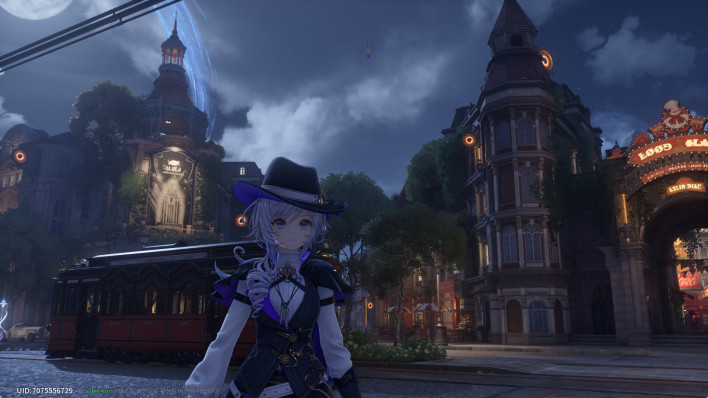
As proven in the first CBT, the delicate graphics shown in the initial PV have been realized to over 95%. While the airship tutorial means you don't see the breathtaking scenery immediately upon starting, the moment you return to Sylvania, you are forced to stop and stare. This second CBT supports ray tracing in some environments; it was a pity I couldn't verify it on my Radeon RX 9070XT. Details like the jewel-like eyes or the sunset reflecting on tiles seemed slightly less polished than in the PV.
That said, the level of detail in other areas was astonishing. From the subtle decorations on city buildings to the texture of rain-soaked clothing, every detail is meticulously crafted. The overall mise-en-scène is beyond words; the view of Sylvania from the sky is the dream scene for subculture fans who have been waiting for a Victorian-style game. The explorable area has expanded, and the unexplorable zones are even more refined, making me look forward to the day I can fully tour Sylvania.
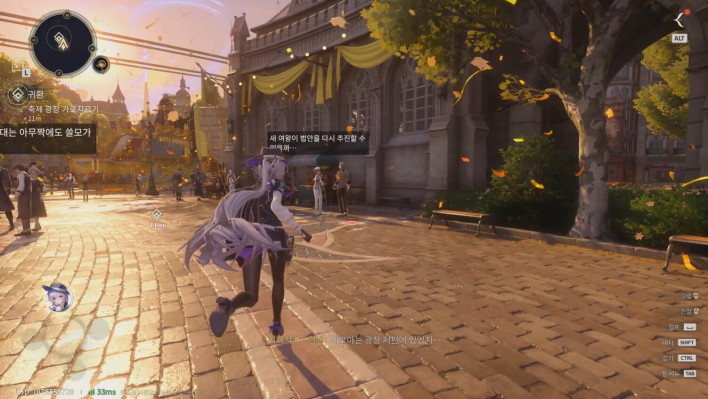
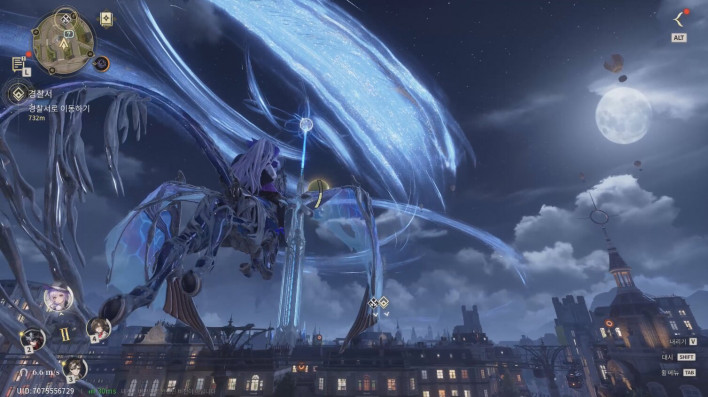

The city's density and the fun of exploration have also improved. While wall-climbing is still not possible, jumping is now allowed outside of combat, saving the trouble of navigating around minor obstacles. Various traversal tools like hooks, floating devices, and descent devices are placed naturally without ruining the city's aesthetic. Treasure chests and puzzles are scattered throughout, ensuring the joy of discovery is always present.
Most importantly, the controls for mounts have been significantly improved. While driving was fine, flying—specifically landing, dismounting, and turning—felt sluggish before. These have been tightened, making mounts much easier to handle. There are still some imperfections, such as getting stuck on ledges, but with a third CBT announced, these issues will likely be addressed based on feedback.
Refined Routines and Thrilling, Non-Stop Action

The core of Silver Palace's combat, from the PV to the current CBT, is 'Parrying.' While recent open world games support parrying, they usually trigger it through tagging or specific timing rather than a dedicated button. Silver Palace now features a dedicated parry key. Parrying is frequent, as a yellow circle appears for most attacks from both bosses and regular mobs. Since these mobs don't miss like stormtroopers, you are forced to pay attention to parrying during your combos.
The key is how smoothly you can integrate parrying into your action flow. Unlike Soulslike games, which focus on stamina management and tight windows, Silver Palace follows the typical collectible RPG style of chaining skills, ultimates, and character swaps. There was a concern that parrying might break the tempo, but since the parry key triggers almost instantly even during attacks, that concern was unfounded. It may lack a 'hardcore' feel, but the flashy effects and satisfying sound design create a unique, exhilarating combat tempo.

The frequency of parrying is high, and later, unblockable attacks are mixed in, forcing players to vary their play between attacking, parrying, and emergency dodging. Enemy patterns have also been expanded, making it necessary to adapt to the situation.
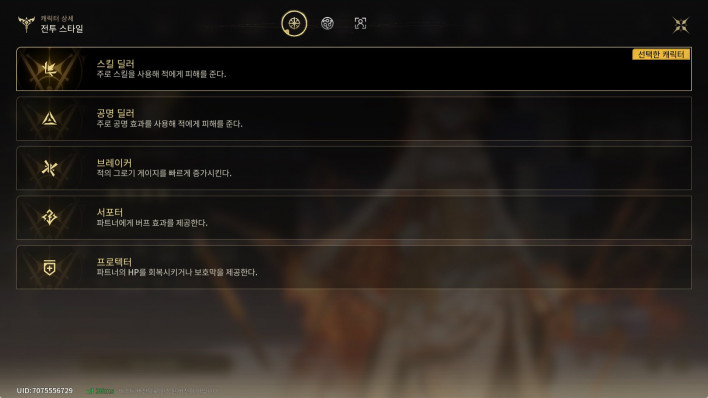
The combat controls have been shifted to a more familiar style, and roles—Breakers (groggy gauge), damage dealers (skills/resonance), Supporters (buffs), and Protectors (healing/shields)—are clearly defined, making party building intuitive. Skill descriptions clearly explain resonance damage, surprise attacks, and execution moves, helping players understand the system easily.
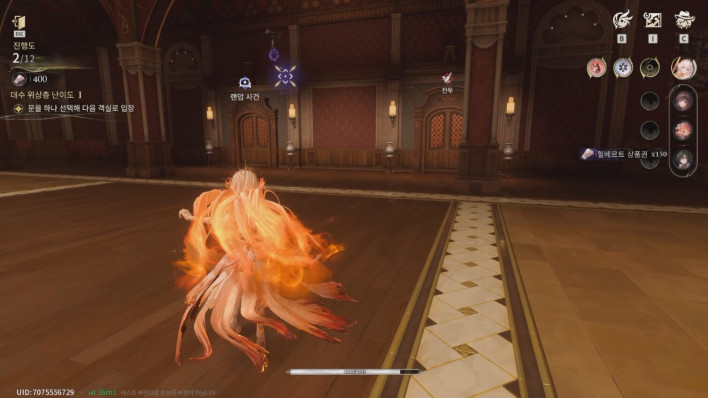
Combat-outside routines have also been refined. Following the evolution of open world collectible RPGs, the game uses stamina to gather growth resources. Some resources can be obtained through gacha-related currency, reducing the need for excessive field grinding. Familiar elements like the roguelike 'Hilbert Hotel' and periodically resetting 'Spiral Abyss'-style virtual experiments are also present.
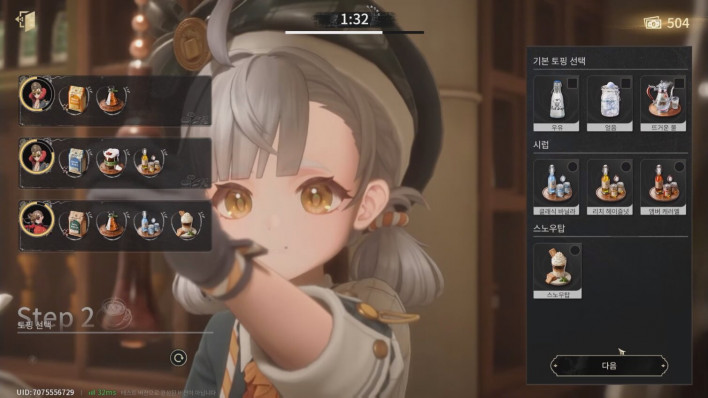
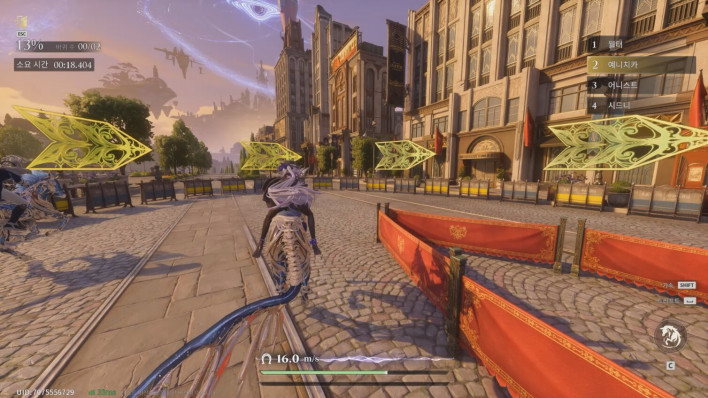
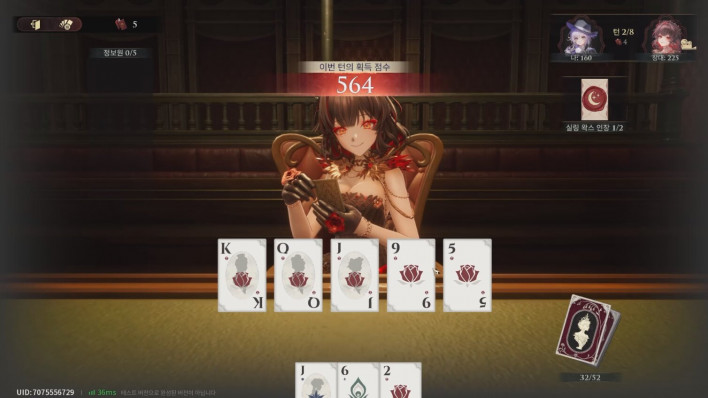
The current CBT includes Cafe Tycoon, a roguelike deck-builder based on poker hands, and horse racing. Each mode is well-developed. The horse racing, in particular, requires managing the horse's stamina, forcing players to choose when to sprint and when to rest, which adds a nice layer of strategy.
Remaining Gaps: Looking Forward to the 3rd CBT
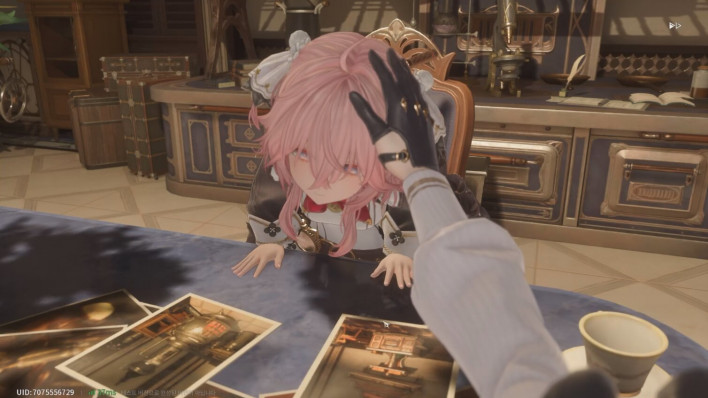
It is impressive how much has been added in just six months, but there is still work to be done. The story has progressed, but it feels like we've only reached the 'development' stage of the plot. Just as you're about to catch the culprit, the game ends. Content like 'secret dates' that unlock with character affinity is also not fully implemented.

While controls were improved, 'LS' (drag-based) controls remain frustrating, especially for puzzles. Input lag or missed inputs often lead to repeated attempts. Additionally, enemies sometimes move off-camera, making parrying feel disconnected. Optimization is also an issue, with frame drops occurring when many enemies appear at once.
The gacha system is also a bit unfamiliar, with limited banners guaranteeing a character within 100 pulls but without a 50% rate-up guarantee. It's too early to judge, as this is only the second CBT, and the game is still being tuned based on player feedback.
Despite some concerns, the potential shown by Silver Palace is remarkable. Unlike many latecomers to the subculture open world genre, Silver Palace has crafted a compelling early story. The main plot, the mystery cases with multiple endings, and the various character and citizen requests are all tightly woven. The psychological tension between the detective and their friend, Perso, is particularly intriguing.
With its beautiful graphics, charming characters, and punchy combat, Silver Palace is gradually revealing its true potential. It was a highly anticipated title from the start, and as it slowly becomes reality, its appeal only grows. With the second CBT concluding, I hope the developers use the feedback to polish the game into something truly irresistible by launch.