Source: 111 Percent
111 Percent (CEO Kim Kang-an) announced that it has won a partial victory in the first trial of an infringement lawsuit filed against New Normal Soft for the unauthorized appropriation of its mobile game, 'Random Dice: GO'.
On April 2, 2026, the 63rd Civil Division of the Seoul Central District Court (Presiding Judge Lee Gyu-yeong) ruled that New Normal Soft had engaged in unfair competition and ordered the company to pay 111 Percent approximately ₩557 million, plus interest for delay.
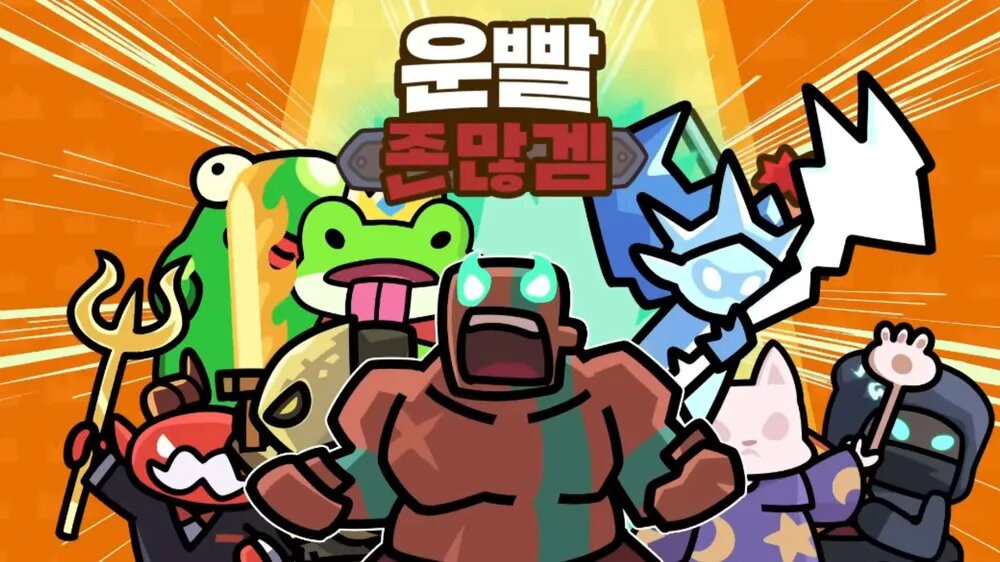
The lawsuit stemmed from New Normal Soft's release of 'Stop Attacking Me' in November 2024, which allegedly misappropriated the original creative elements of 'Random Dice: GO'. At the time of the release of 'Stop Attacking Me', users pointed out that the game's mechanics and UI were direct copies of 'Random Dice: GO'. Following the controversy over intellectual property infringement, 111 Percent sought a court ruling to protect its IP.
The court determined that the way 111 Percent combined and expressed the various components of 'Random Dice: GO' possessed a creative individuality that distinguished it from existing games in the genre, making it a subject of legal protection. The court further recognized that New Normal Soft's 'Stop Attacking Me' implemented a structure substantially identical to the core progression mechanics of 'Random Dice: GO'. Additionally, the court ruled that New Normal Soft's unauthorized use of these elements infringed upon the results of 111 Percent's investment and efforts, and was contrary to fair commercial practices and competitive order.
111 Percent CEO Kim Kang-an stated, "I believe this ruling recognizes the creative achievements 111 Percent has built over time and our efforts to protect their value," adding, "We will continue to do everything in our power to protect our IP."
Attorney Son Cheon-woo (Judicial Research and Training Institute, 32nd class) of Kim & Chang, who represented 111 Percent in the lawsuit, stated, "This ruling is significant because the court recognized legal liability for unfair competition through the misappropriation of another's achievements. This was a case where a competitor launched and serviced an imitation game by using the combination of elements from a game developed through significant investment and effort, and then attempted to evade legal responsibility through updates once legal action was initiated."