
The youngest gold medalist in Asian Games history has emerged. At just 11 years old, Japan's "Puyo Puyo prodigy" Yuki Kurihara defeated South Korea's representative Kang Dong-shin to stand atop Asia.
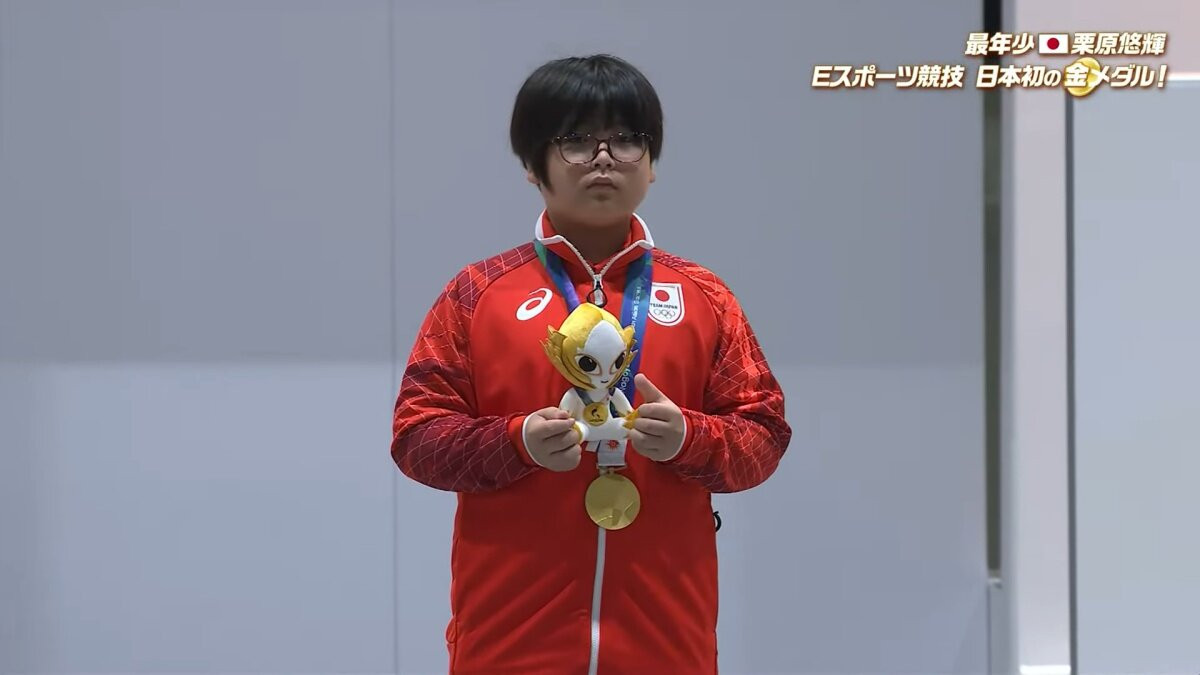
On September 26, Kurihara defeated Kang Dong-shin 10-2 in the final of the esports Puyo Puyo Championship at the 2026 Aichi-Nagoya Asian Games, held at the Aichi Sky Expo in Tokoname, Aichi Prefecture, Japan. The two players had previously faced each other once in the group stage. At the time, Kurihara dropped a set—his only lost set during the qualifiers—yet ultimately secured a victory against Kang.
On his way to the final, he faced competitors much older than himself. In the quarterfinals, he defeated Singapore's Justin Koh Mun June, who is 21 years older than him, and in the semifinals, he overcame Thailand's Tanarak Wongkittikun to secure his place in the final. Born on June 18, 2015, Kurihara is the youngest athlete across the entire Japanese delegation at this tournament. With this gold medal, he set two historical records simultaneously: the youngest medalist in Asian Games history and the youngest gold medalist in Asian Games history.
The previous record for the youngest medalist was held by Indonesia's Nyimas Bunga Cinta, who won a bronze medal in the women's street skateboarding event at the 2018 Jakarta-Palembang Asian Games at age 12. The record for the youngest gold medalist belonged to North Korea's Choe Jong-sil, who won gold in the women's artistic gymnastics vault event at the 1978 Bangkok Asian Games.
In effect, Kurihara broke both records in a single tournament. Kurihara first encountered Puyo Puyo at age six when he received "Puyo Puyo Tetris 2" as a Christmas gift while spending more time at home due to the global pandemic response. Continuing his steady growth ever since, Kurihara defeated Tomokun in February this year at the Sega-hosted "Puyo Puyo Grand Prix Finals" to claim top honors and capture the annual championship title. His Asian Games gold medal can be seen as an extension of that trajectory.
Meanwhile, Kurihara reportedly maintains a practice routine closer to that of an average student, attending cram school three times a week and practicing for about 1 to 2 hours a day.