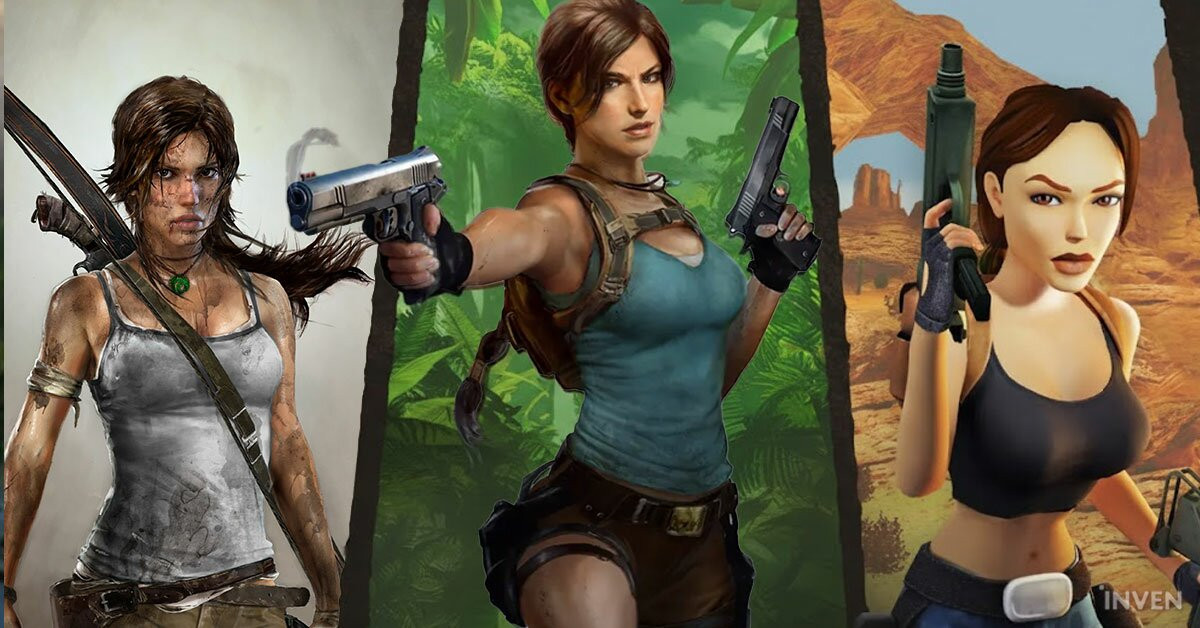
There are games remembered for introducing major innovations in genre and game design. This is especially true when new technologies emerge, when previously imagined gameplay becomes possible. 'Tomb Raider' was one such game. The rise of the Voodoo graphics card—before Nvidia’s dominance—played a key role. With its high-resolution textures, Tomb Raider popularized Voodoo and ushered in the era of 3D action-adventure games.
Tomb Raider features third-person character movement, platform action, free movement combined with combat, vertical presentation through multi-layered level design, and so on. Of course, there were numerous innovations in technical and design aspects. Yet few players think of those mechanics first when hearing the name Tomb Raider.
During a period when only "kid-friendly" characters like Duke Nukem, Mario, or Yoshi, who would utter crude "sex jokes" without understanding their meaning, were seen, Lara Croft, with her provocative attire, polygonal pointed triangular feature, and dual pistols, performing aerial acrobatics, was synonymous with Tomb Raider. She was considered the video game industry's leading sex symbol, even gracing the cover of Playboy as a game character, yet simultaneously, she was an intelligent and independent protagonist who has led the series for 30 years. This is the story of Lara Croft, a cultural icon who continues to transcend eras.
Lara Croft: The Protagonist Forged by Possibility
In late, Core Design, a small video game studio, envisioned developing a new game, making Sony's new console, the PlayStation, the future of their company. At a time when 2D was still common, the news of a console launch with 3D graphics at its core was an opportunity for this small studio. The question was what kind of game to make. It was then that Toby Gard, a new employee who had joined the company that same year, conceived an idea. It was a story about entering a pyramid tomb to retrieve artifacts. Just as the first installment of the Indiana Jones series was 'Raiders,' this was the period when the foundation of the 'Tomb + Raid' series was decided.
The problem was that the game had not yet escaped the shadow of Raiders. Toby, who was in charge of character design, including Lara, drew a man with a whip and a hat as the first protagonist. He was unmistakably Indiana Jones, the protagonist of Raiders. Naturally, the company did not approve, saying, "It's too similar." At the words of CEO Jeremy Heath-Smith, who exclaimed, "Be original!", Toby made a decision that was close to a "sudden acceleration." He revised the idea to feature a female character as the protagonist.
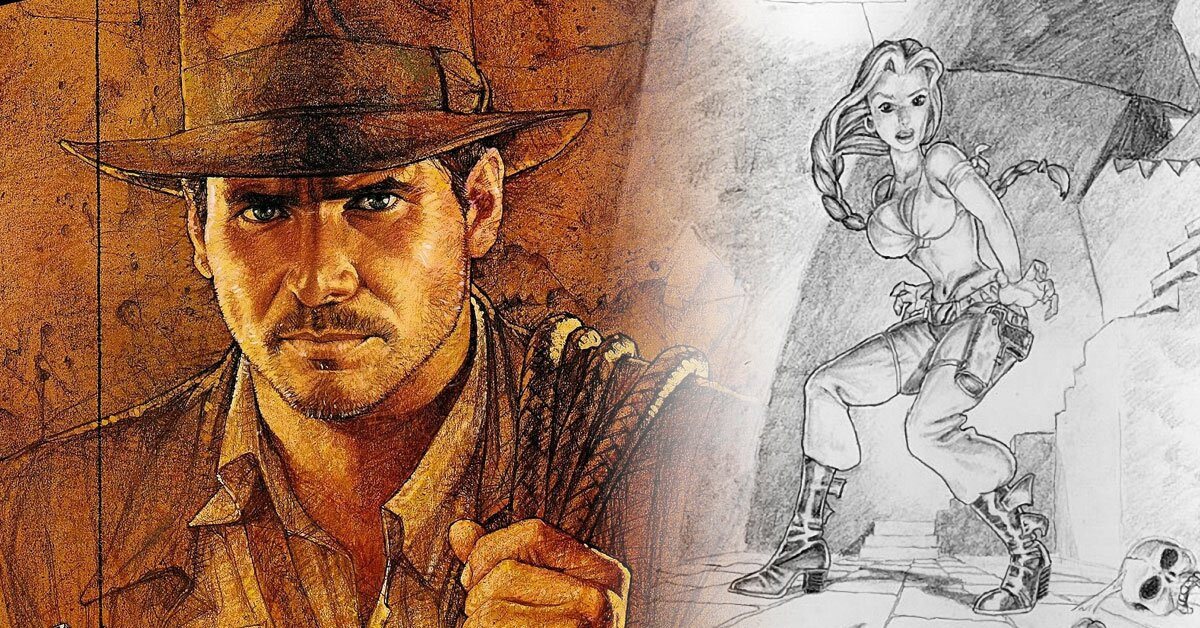
▲ The initial concept, which resembled Indiana Jones, was changed to today's image of Lara Croft as the choice for a female character was made.
The decision to choose a female protagonist was, at the time, a bold and unconventional one. The majority of players were male, and the vision for a female protagonist was unclear. Naturally, there was strong opposition within the company. However, Toby's decision had its reasons. He observed that many successful Virtua Fighter Players in arcades chose female characters. He saw the potential for female characters to be well-received.
Toby immediately sought out Jeremy and began to persuade him. He cited the popularity of female characters in various Japanese games, mentioning the potential for commercial success. He further argued that a more flexible female protagonist could perform actions that male characters could not. Jeremy, who initially adamantly refused, eventually relented and approved the development. Toby later jokingly explained that he pushed for Lara Croft because "drawing female characters was fun," but he also recalled that Jeremy's initial opposition and subsequent support were crucial to the project's successful development.
Once the protagonist's gender was decided, the creation of Lara Croft accelerated. After several design changes, the core design that remains in place to this day began to take shape.
Paul Douglas, a programmer for Tomb Raider, also came up with the idea of incorporating Chow Yun-fat's dual-wielding gun scenes from Hong Kong noir films into the game. The name Laura Cruz, originally a Latina character, was changed to Lara, meaning 'castle' in Greek, to add an air of mystery. Croft, a name chosen from a Derby area phone book, became her surname.
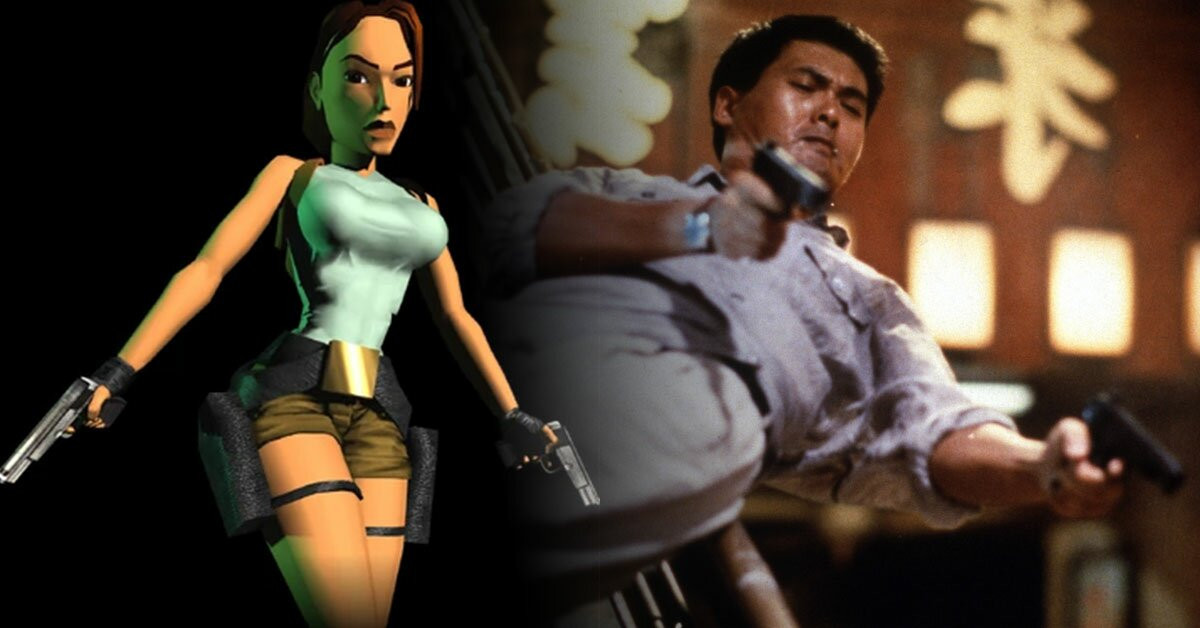
▲ Chow Yun-fat's portrayal in John Woo's noir films, such as 'Hard Boiled', inspired Lara's dual-wielding pistol action.
Toby, in particular, aimed for a strong and 'cool' hero, beyond just a visually appealing character. Therefore, the character was portrayed as an independent individual who solves puzzles while shooting a gun and resolves problems independently. The character was influenced by the progressive musical style of British artist Neneh Cherry, and also referenced the outlaw-like comic Character Tank Girl. The pointed triangular chest was also the result of efforts to overcome technical limitations and achieve more natural hair styling within polygon constraints.
Tomb Raider: Where Sexiness and Intelligence Grew Together
In 1996, amidst various changes and new attempts, Tomb Raider was finally officially released under Eidos' distribution. As Toby predicted, Tomb Raider achieved great success. The first installment alone sold 7.5 million copies, setting a new record for the largest box office for a game with a female protagonist.
However, the series evolved in ways that differed from Gard’s original intentions. The company used Lara Croft as a sexy female protagonist as a marketing point.In 1999, Lara's 3D Character appeared in Playboy, an adult magazine. Toby, who was dissatisfied with these aspects and left the company early, also revealed that the company forced them to add a nude cheat to the game.
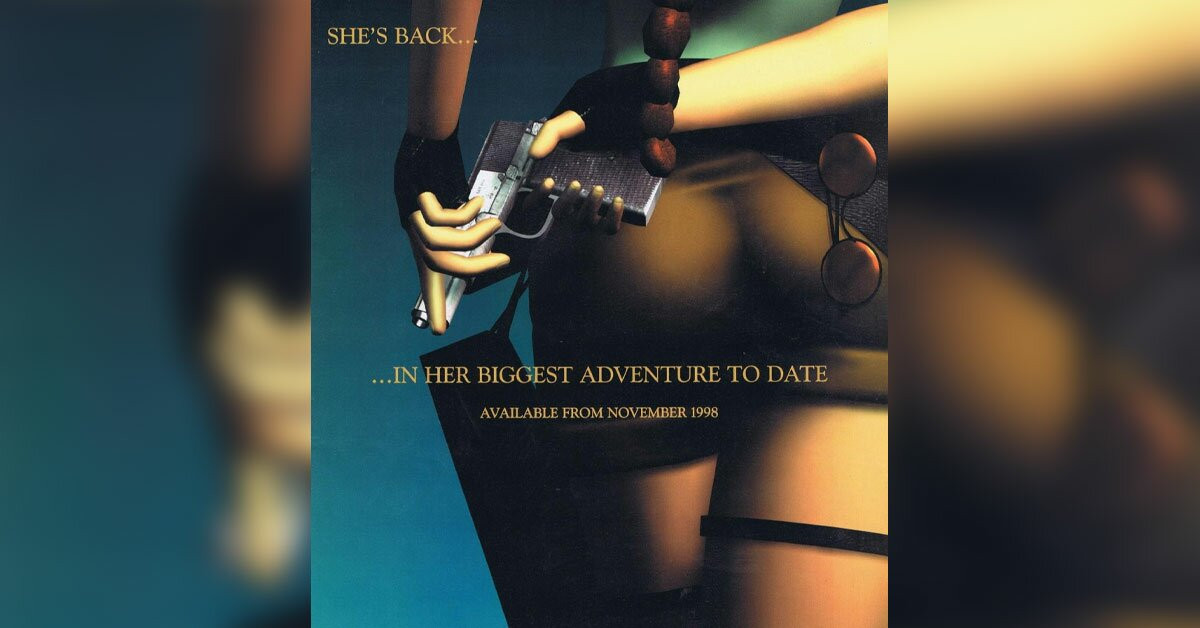
▲ The cool hero in the game and the sexy image emphasized by marketing—these two elements created the dual charm of Lara and Tomb Raider.
However, many studies today analyze that both Lara Croft's sex appeal and her cool hero image contributed to the success of Tomb Raider.
It is clear that during a period when there were more male players, the presence of Lara Croft was effective in promoting the game. Conversely, Lara's portrayal within the game is far more progressive. She is a calm and confident character, capable of cracking jokes even in the face of monsters, and she readily employs the dry humor characteristic of the British upper class. Throughout the game, she also demonstrates tenacious persistence and chooses a life as a mercenary, abandoning her parents' legacy.
Whether intended by the developers or not, this contradictory yet dualistic charm became a key point in completing the character of Lara Croft. This continued in subsequent series, even after Toby left. Following the success of the first title, Tomb Raider 2 sold 8 million copies, and the classic series, which released up to its sixth installment, sold a total of 50 million copies. The success of the Tomb Raider series, released on PlayStation from installments 1 to 5, even surpassed that of Final Fantasy 7 to 9, released during the same period. It is undeniable that Tomb Raider was one of the games that drove the video game industry in the 1990s.
This massive success led Lara Croft to transcend the game itself. In the early days of the series, sponsored advertisements for game promotions, such as those from Pizza Hut and Domino's Pizza, were common. However, this evolved into Lara Croft promoting various products as a model. The Spanish automotive Group SEAT featured Lara Croft driving SEAT vehicles, such as the Alhambra and Ibiza, in their advertisements, fending off enemy pursuits. French writing instrument manufacturer Waterman and Nike also featured Lara in their related products and advertisements, and the McLaren F1 Team even shared photos of their F1 drivers with Lara.
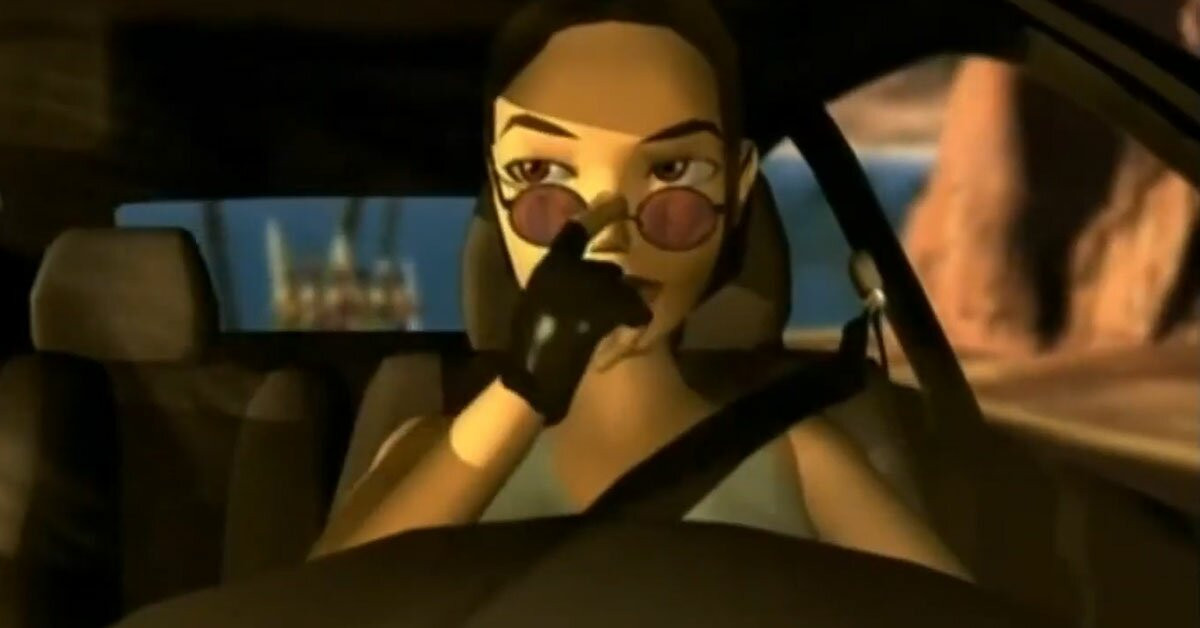
▲ Lara Croft, who appeared as various lineup models for the car brand SEAT
The German band Die Ärzte featured Lara Croft in the music video for their 1998 song 'Männer sind Schweine'. Die Ärzte directly requested Eidos for her appearance, and the song topped the German media charts for eight weeks. It also sold over a million copies, making it one of the best-selling singles.
This popularity soon leads to media appearances beyond mere advertisements.
The Changing Times and a New Lara
Even today, Angelina Jolie, a renowned actress with significant influence in Hollywood, has consistently been recognized for her exceptional acting skills since the early stages of her career. In 1998 and 1999, she received Golden Globe Awards for Best Supporting Actress and Best Actress for her roles in TV series such as 'George Wallace' and 'Gia'. In 2000, she also won an Oscar trophy for the film 'Girl, Interrupted', in which she co-starred with Winona Ryder. What Angelina Jolie lacked was public recognition. The work that elevated her to her current status was the film 'Tomb Raider'.
Angelina Jolie's appearance, as if she had stepped out of the 'Tomb Raider' game, and her spectacular action sequences played a decisive role in transforming her into a blockbuster action icon. Notably, the film surpassed $100 million in North America alone, setting a record as the first game-based movie to achieve this milestone, and held the title of the highest-grossing game adaptation until 'Prince of Persia: The Sands of Time'.
The original work had already sold tens of millions, securing a global fan base. Lara Croft's widespread recognition was such that even those who hadn't played the game knew of her. This public interest naturally translated into box office success, driven by the prospect of seeing a live-action Lara Croft. Eidos also leveraged synergy marketing with 'Tomb Raider 5', a new installment in the series, to boost both game sales and movie attendance.
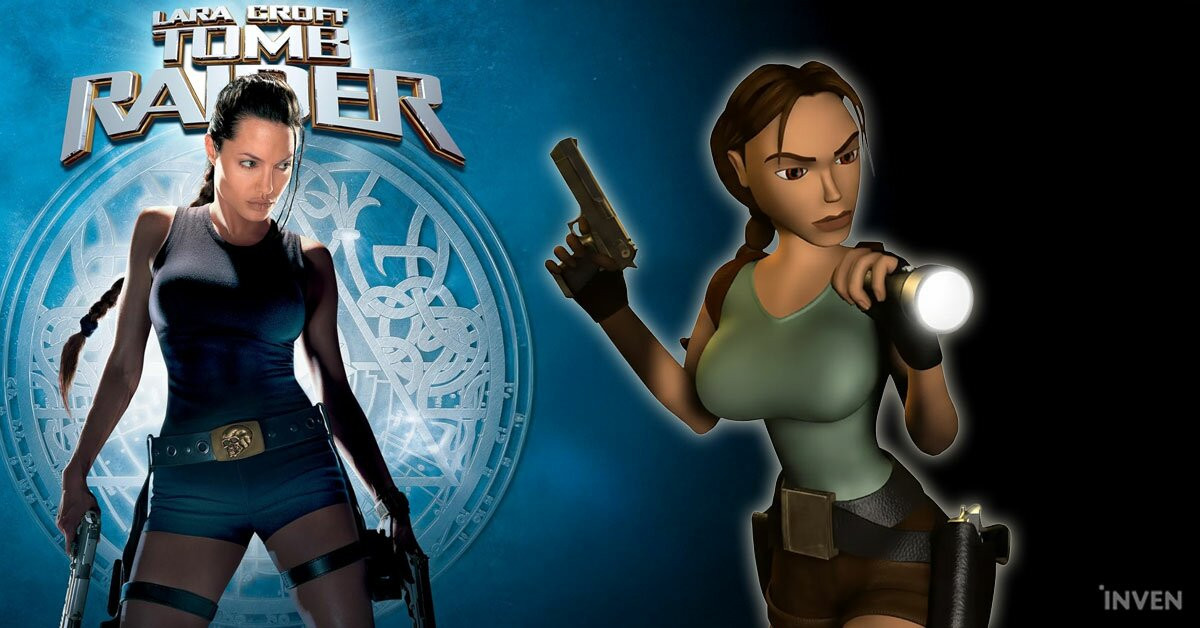
▲ The film 'Tomb Raider' made Angelina Jolie a global star due to the game's recognition and the curiosity surrounding Lara Croft, brought to life in live-action.
In fact, despite content differences and various flaws in the original work's implementation, the live-action appearance of Lara Croft alone brought about this level of success. Furthermore, the comic series introduced by Top Cow, which ran for 50 issues until 2005, expanded the scope of the story with numerous artifacts and enemies not covered in the original work.
Angelina Jolie subsequently starred in the sequel, 'Tomb Raider 2: The Cradle of Life'. However, changes occurred outside the film. Eidos, which had acquired Core Design, handed over the production reins to Crystal Dynamics, ushering in a new era for Tomb Raider. Starting with Tomb Raider: Legend in 2006, Crystal Dynamics introduced a trilogy that was essentially a reboot, featuring new settings, including the remake of the first installment, Anniversary, and Underworld. The Legend series sold a total of 11 million units, achieving a respectable performance, although it did not quite meet expectations. Then, in 2009, Square acquired SCi, Eidos's parent company, leading to another reboot.
The rebooted Tomb Raider focused on Lara Croft's youth. It centered on Lara, an archaeology graduate, who, while searching for an ancient kingdom, was shipwrecked, narrowly escaped death, and grew through survival. Her transformation to survive and protect those around her presented a different narrative from the established, fully-formed protagonists of previous installments. In the sequel, Rise of the Tomb Raider, she displayed her explorer-like qualities. In the 2018 title, Shadow of the Tomb Raider, her arrogance, repentance, and overcoming these challenges marked the true beginning of the Tomb Raider series.

▲ During a period when change was demanded, the past Lara was handled through a reboot, and a new movie was also released accordingly.
These Character changes also reflected evolving demands. Even after the Legend series' reboot, the Character itself remained unchanged, leading to growing calls for new Character traits that would combat staleness and align with contemporary times. In terms of box office success, these changes proved effective. The 2013 Tomb Raider reboot sold one million copies within 48 hours and accumulated nearly $ 15 million in sales. The entire trilogy has sold 40 million copies, marking the highest sales proportion among all Tomb Raider series to date.
The new image of Lara extended into other media. The 2018 film 'Tomb Raider,' starring Alicia Vikander, focused on portraying Lara's appearance from the reboot trilogy. Netflix continued the story with the animated series 'Tomb Raider: The Legend of Lara Croft,' set after the reboot trilogy. Dark Horse, a comic book publisher known for its emphasis on high quality, also continued to produce 'Tomb Raider' comic books based on the reboot story starting in 2013.
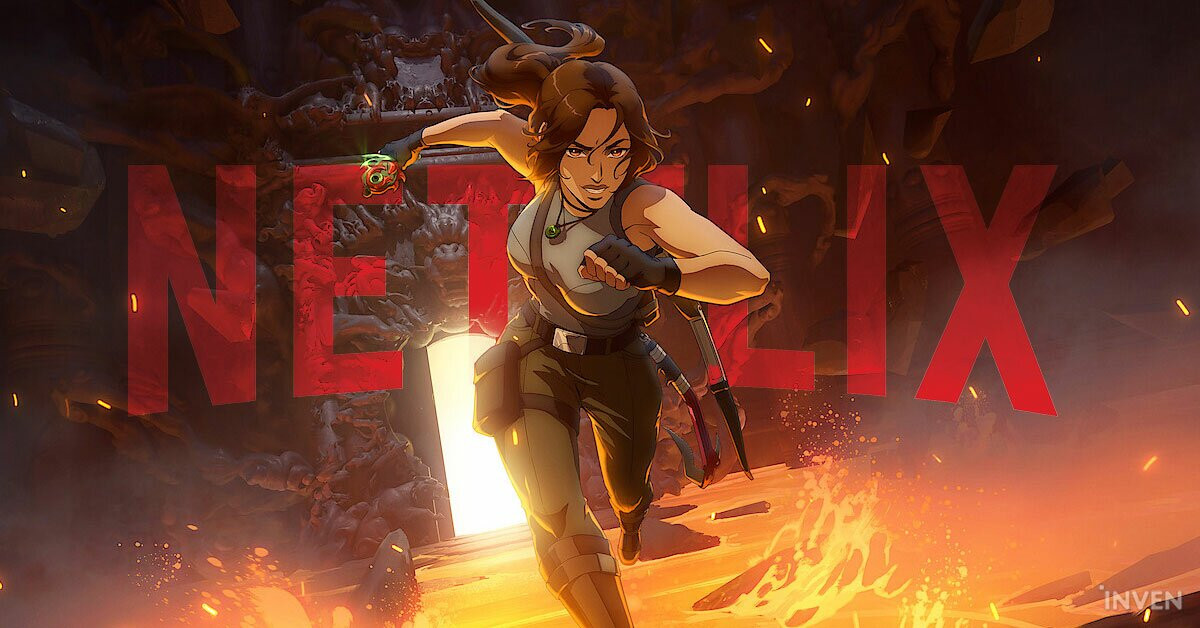
▲ Reboot Story Expanded to Netflix Animation
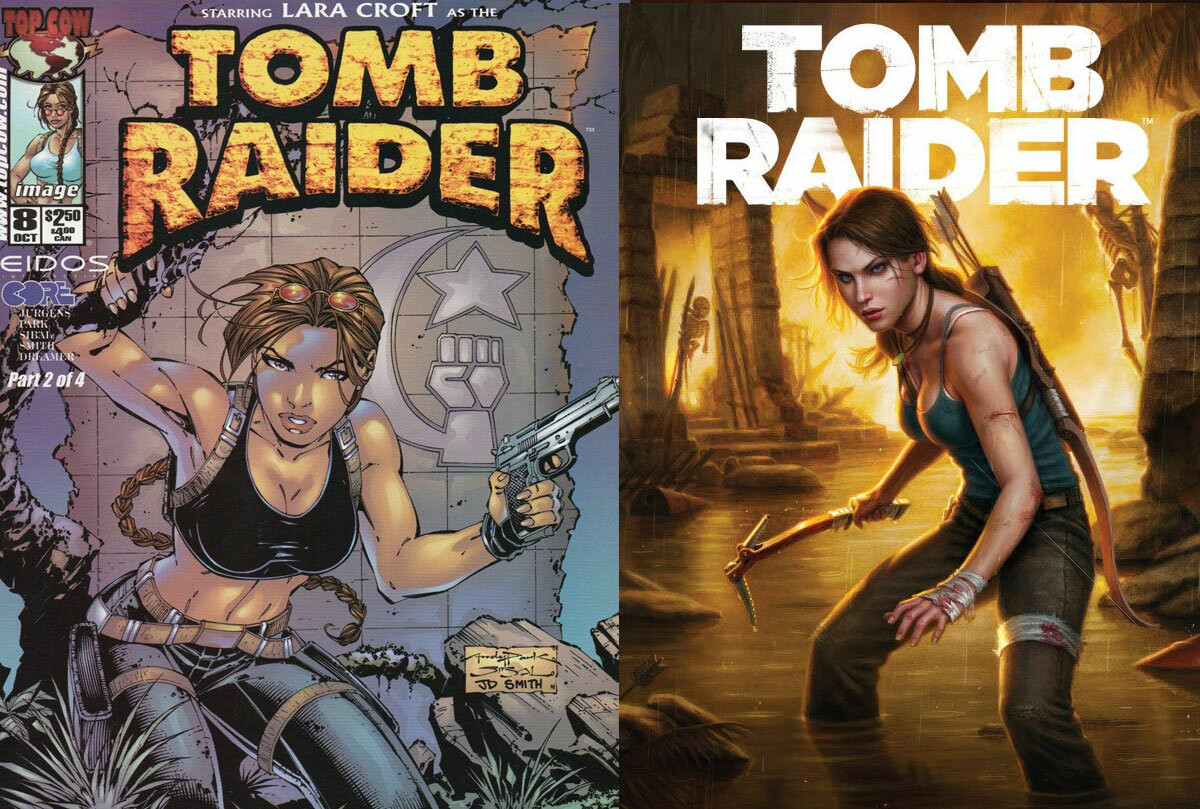
▲ The comics also continued anew at Dark Horse.
Tomb Raider's 30th Anniversary Embraces Both Change and the Past, Ushering in a New Era
After the reboot trilogy, Tomb Raider continues with new challenges. The story, reconfigured around Amazon, focuses on integrating existing narratives into a single cohesive whole. This new chapter begins in 2026 with 'Tomb Raider: Legacy of Atlantis,' commemorating the 30th anniversary of the Tomb Raider series.
This new installment, a remake following 'Tomb Raider: Anniversary,' will establish a unified timeline by connecting the reboot trilogy, which delves into Lara Croft's past, with the classic Tomb Raider series that spanned six titles. Additionally, 'Tomb Raider: Catalyst,' set for release in 2027, will be an entirely new game, covering the most recent narrative chronologically. The trailer further confirmed that events from the rebooted Tomb Raider's Dragon's Triangle and Atlantis, the setting of the first game in the series, exist within a single era.
The drama starring Sophie Turner, famous for 'Game of Thrones', is also depicted within this new timeline. It further showcases a massive reinvention of the franchise, integrating storytelling across live-action TV series and video games. This creates continuity for classic fans and an opportunity for new fans to engage with the 'Tomb Raider' narrative.
Thus, the story of Lara Croft continues for 30 years. From 2026, that story will embark on a new path, fresh yet familiar.

▲ A New Timeline Encompassing Classic and Reboot
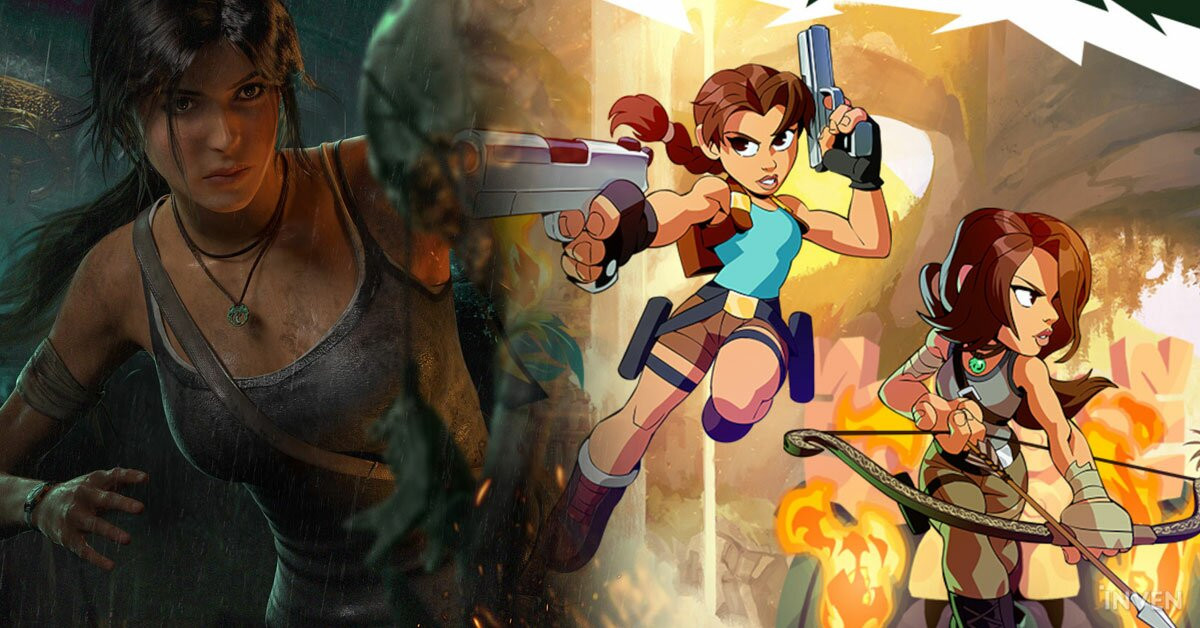
▲ In addition, it is expected to reach more fans through collaborations with various games that have already been carried out, such as Dead by Daylight, Brawlhalla, and Rainbow Six Siege, as well as live-action dramas.
This article was translated from the original that appeared on INVEN.

Sort by:
Comments :0