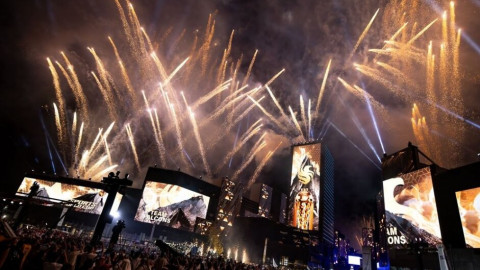
New Game+ Showcase launched as a creator-led alternative to the increasingly ad-saturated circuit of game events—an attempt to put taste-making and developer stories back at the center of reveals. Built around a simple premise (“show what we actually want to play”), the debut broadcast assembled 45 titles spanning indie through AAA, while committing to a hard rule: no paid placement, no “because a big name is attached,” and no money-as-a-barrier-to-entry.
In this interview, organizers Hunter Grooms and Jake Lucky break down what they felt existing showcases weren’t providing, how they curated the lineup under a compressed four-month runway, and what “success” meant for year one—primarily getting meaningful attention on games that deserve it. They also respond candidly to a major critique of the first show (too much couch banter, not enough focused game/dev time), explain what the commentary was intended to add, and outline concrete changes for year two: reworked pacing and format, higher-quality (ideally in-person) developer interviews, stronger “new” information requirements, and the potential addition of world premieres. Finally, they address the long-term sustainability question—how to fund a showcase without drifting into the same incentives they were created to resist.
Below is the full Q&A with New Game+ Showcase’s Hunter and Jake.
What problem was New Game+ Showcase created to solve that existing shows are not solving?
Hunter: A lot of the existing shows felt like they were just promoting the games that paid them, or promoting the games that they were publishing or related to somehow - we wanted to make a show that didn’t feel like a giant ad reel and didn’t have money as a barrier to entry.
Jake: We didn’t just want to show games, but the people and devs behind them as well. Often the conversation starts and ends with a trailer, we want to go beyond that.
What were your non-negotiables for the event, meaning values or rules you refused to compromise on?
Hunter: The games have to be something someone is genuinely interested in. We refuse to accept any form of paid placement and also aren’t showcasing something just because a certain name is behind it.
Jake: If anyone on the panel would play it, we can show it off.
What did success look like internally, for example viewer retention, game wishlists, developer feedback, press pickup, or something else? Which metric mattered most?
Hunter: Overall I think at the most basic level we’ve defined success as “getting eyes on games that deserve it.” As long as people saw some games or updates they might not have seen before, then it was a big win.
The showcase featured 45 games. What were the criteria for selection, and what were the most common reasons a game did not make the cut?
Hunter: For this first iteration we actually did a ton of outreach. The most common reason people couldn’t participate was really because of the very short time frame this was planned in, where most publishers or developers already had concrete plans or a lack of resources to execute before the showcase aired. On our end, we needed games to be genuinely interesting to us, so there was a number of games we just didn’t feel qualified to speak on or just like they weren’t quite up to the level we wanted them to be, even some AAA names. We also required some form of “new” content or “new” information to be revealed.
Jake: Honestly I will defer to Hunter, he put in 4 months of outreach to countless teams to get this together. But ultimately, we wanted as many games as possible, we were only restricted because the show couldn’t possibly be any longer haha
What part of the production was hardest to get right for a first show, such as run-of-show, technical execution, pacing, or booking developers?
Hunter: There’s a lot that we learned in this first execution. First of all, the 4 month runway was obviously not ideal, but it beat trying to wait for an additional year to get this off the ground. We weren’t really sure about the format we had in mind, just what we wanted the general feel to be, so lots of changes will come to that. Developer interviews actually weren’t that hard to book, but in Year 2 we definitely want to do as many in person interviews as possible and visit studios, or use some better tech for recording the interviews so we have higher quality video and sound.
Jake: I think pacing and show format will be completely redone for year 2, considering the feedback we got. But everyone on the show was incredible to shoot with, one of the best weekends we spent all year.
A major critique in the press and in comments was that there was too much couch banter and not enough focused time on the games and developers. Some viewers said they muted the talk segments. What is your honest reaction to that feedback?
Hunter: Honestly we were well aware that this would be the exact feedback going into the show. This was the format that made the most sense for what our goals were for year 1, and we’re stoked to improve on it in year 2. Of course some people are overly toxic on the internet, but we’re taking everything in stride and improving where people want us to. We’re glad we could at least put out the alternative version with just the trailers and interviews for people to still enjoy this year.
Jake: We all were well aware going into the show there would be an immense amount of feedback to take in and learn from. Consider this first show our early access, and I am excited for the full release.
Related to that, what did you want the creator commentary to add, insight, taste-making, context, or entertainment, and where do you think it fell short?
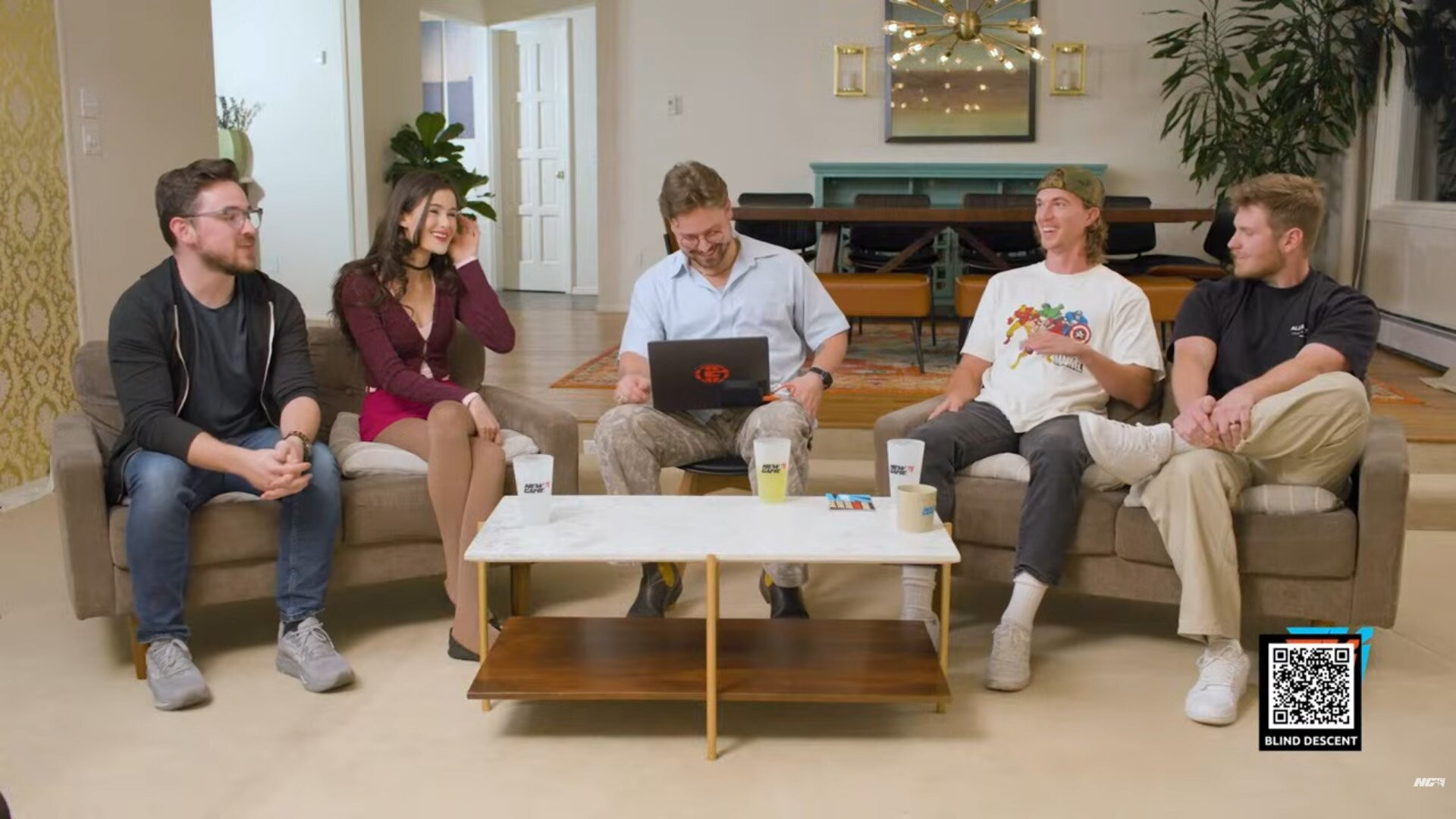
Hunter: The goal of having the cast sit and talk about each batch of games was to give time to digest what the audience had watched, and to try to make it feel like you were sitting there with a group of friends, all from different sides of gaming, genuinely talking about each game. Our thoughts weren’t rehearsed or paid for, it was just how we actually felt while watching the content. That being said, of course we can see how it might be angled better as a post show.
Jake: The commentary was meant to spark discussion on the games being shown, as well as a way for the audience to get to know the developers behind their games as well. I think a reordering of all that will make a completely different show and be much more well received. We don’t plan on stopping in trying to tell those stories and spark that discussion,
If you could redo the showcase with the exact same lineup of games, what are the main changes you would make immediately?
Hunter: If we had more time to execute, you’d be seeing much more of those interviews conducted in person with a bit more storytelling or BTS capture, and likely adjusting the overall talking segments to the end.
The showcase presents itself as a global, creator-led platform rather than a region- or publisher-driven one. For developers outside the traditional Western spotlight (for example, in Korea!), including smaller studios aiming for international reach, what tends to catch your attention during curation, and how do you hope New Game+ can function as an accessible entry point for teams without large marketing resources?
Hunter: It’s hard to define what would catch our attention, so really I’d just say that any game, no matter where they’re from, should reach out to us if they think they have a good fit. We absolutely want this to be an opportunity for anyone, no matter their marketing budget.
As an aside, we actually did reach out to at least one publisher in Korea since we had a personal interest in their game - that being NCSoft/Aion 2! Unfortunately we weren’t able to get anything there, but we definitely have interest in global titles, not just western facing ones.
Jake: Discoverability is everything, if a game makes its way in front of us and peaks our interest, we are usually reaching out that same day. I follow indies from all over, so that is a focus for me to include for the show.
The event positions itself against celebrity-heavy, ad-saturated showcases. But shows cost money. What is the long-term plan to stay sustainable without drifting into the same incentives you are reacting against?
Hunter: In a dream world we’d like to adopt more of a superbowl model, with something like a specified segment (half time for the superbowl) where ads/commercials play that are specifically tailored for the audience. For example, a brand would come in and hire known gamers or streamers to be in their commercial, then pay for a commercial spot in the showcase. We really like the idea of the commercials adding high quality entertainment value for the audience, and at the same time we won’t be compromising on our value of not accepting paid placements by games.
On the same token, we've seen how some events that start off grassroot eventually become victims of their own success - becoming too corporate. What is your plan to combat this from happening?
Hunter: We plan on very strictly sticking to the ideal that no games can pay to be a part of the showcase. There’s not much of a way to explain how we plan on combating becoming corporate other than that our plan is not to!
Jake: To not ever be corporate.
Looking ahead, what would make you personally say the next New Game+ Showcase fully landed, and what should viewers and developers expect to be meaningfully improved?
Hunter: As far as improvements go, we’re looking to do a number of things. Of course we want the pacing to improve and to listen to the audience who says they’d prefer to separate the creator talking segments from the overall game trailers - so we’ll likely be listening to that, where the show runs into more of a podcast/panel type of segment at the end. For the interviews, we’d like to be doing more in person interviews with the dev teams for a much higher standard of quality, and for the game content, we’d like to add some world premieres in there now that studios have time to prepare and consider us, as well as improving the quality of the new footage or information shared for all games across the board.
Jake: I think the show is already in the process of landing, with all the feedback both good and bad it’s clear that we’ve created something that people want, now it’s a matter of doing it again and again and again, until it is what we want it to be. Viewers should expect more of what we’ve already shown, games, interviews, and discussion, just maybe in a new order next time.
-

I write. I rap. I run. That’s pretty much it.

Sort by:
Comments :0