Gamers have varying levels of skill. While some play FPS or MOBA titles at an esports level, others struggle to the point of frustration. This isn't limited to specific genres; in action RPGs or action-adventure games known for their high difficulty, it is common to find players who have quit entirely because they couldn't overcome a specific boss.
For players blocked by such high barriers to entry, difficulty settings are a welcome feature. However, not everyone chooses the easiest option. Some are driven by a desire for a personal challenge, while others find lower difficulties too simplistic. Providing the optimal difficulty for every individual player is, in fact, a very difficult task.
Given these limitations, the traditional 'Easy, Normal, Hard' difficulty structure may soon become a thing of the past. On April 23, Sony filed a patent titled 'User Defined Level Generation.'
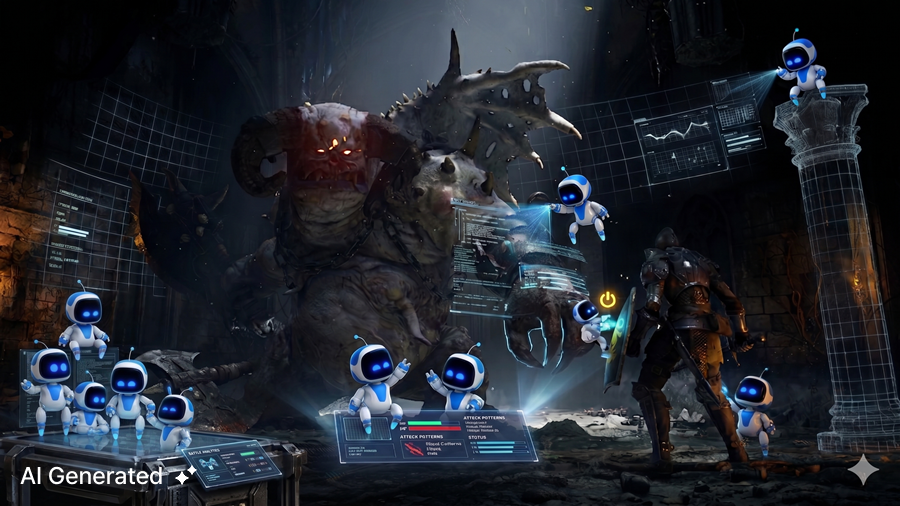
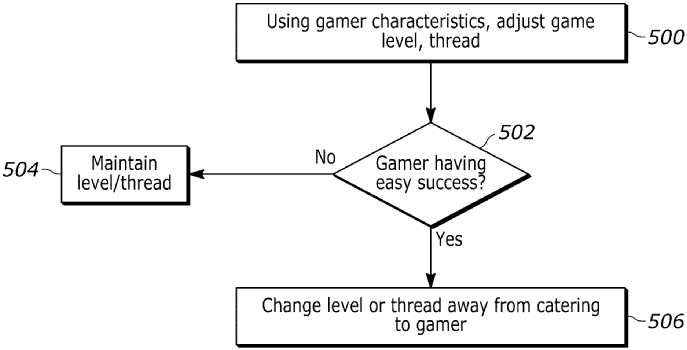
The patent has two core components. First, it is AI-based. Instead of relying on standardized difficulty tiers, the system aims to provide a personalized experience by having an AI analyze the player's gameplay.
Second, it eliminates rigid difficulty categories. While traditional systems might simply lower or raise enemy health and attack power based on a 'Normal' baseline, this system fine-tunes enemy stats in near real-time based on the player's behavioral data. This ensures an optimal experience that balances challenge and fun.
Of course, it remains to be seen whether this patent will actually be implemented in games, as many patented features never make it to production. Nevertheless, it is significant in that it demonstrates how AI can go beyond game development to improve the player experience itself. It will be interesting to see if this can bring change to the long-standing, conventional approach to difficulty adjustment.

Sort by:
Comments :0