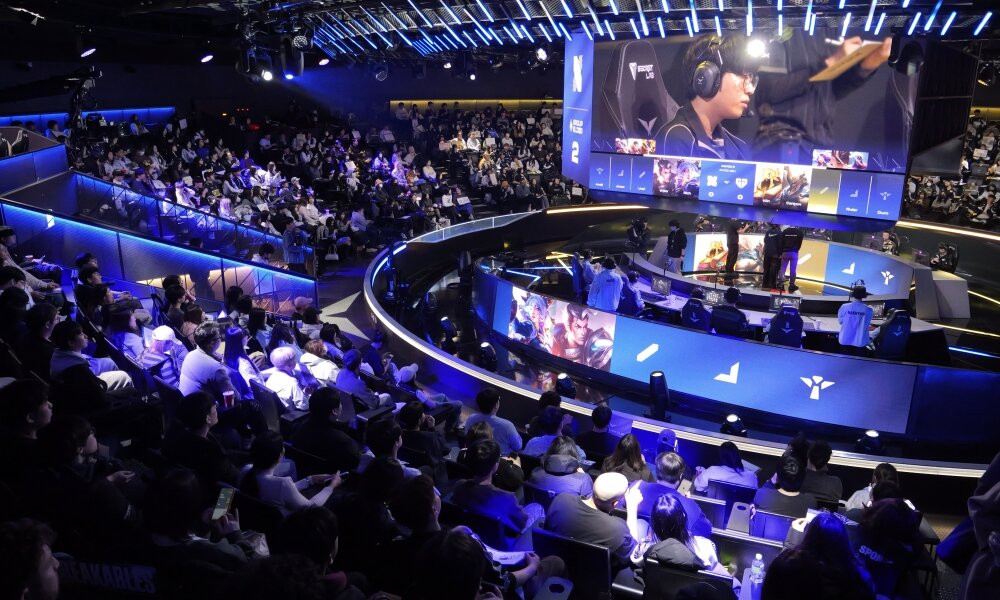
On the 29th, the National Assembly convened a plenary session and passed partial amendments to the Public Performance Act and the National Sports Promotion Act that ban all illicit ticket-scalping practices and strengthen the responsibilities of related businesses. With these amendments’ passage, strict anti-scalping regulations will apply across domestic marquee esports leagues—including League of Legends Champions Korea (LCK)—as well as the broader performance and sports industries.
The amendments specify types of scalping conduct by dividing them into illicit purchasing and illicit selling. Illicit purchasing is defined as buying tickets for the purpose of resale by bypassing or obstructing the purchasing process set by the original seller. Illicit selling refers to the habitual or commercial sale—or brokering—of tickets at prices exceeding the original purchase price without the seller’s consent.
Enforcement measures have been strengthened with an emphasis on practical effectiveness. For illicit sellers, authorities may impose an administrative surcharge of up to 50 times the sale amount, and any profits gained through illicit purchasing or selling will be fully confiscated or collected by additional levy. In addition, to protect creators’ rights and interests, the amendments introduce an emergency blocking system that immediately cuts off access when illegal sites are discovered, and apply a punitive damages regime that can hold violators liable for up to five times the amount of damages.
Minister of Culture, Sports and Tourism Choi Hwi-young commented on the bill’s passage, saying: “It has taken just four months since we took up the surgical scalpel to treat two chronic, hard-to-cure diseases of the cultural industry—ticket scalping and illegal content distribution—for legal revisions to be made.” He added, “Once the law takes effect, the act of reselling at a markup itself will be prohibited, and we will track unjust profits to the very end and confiscate them.” The ministry expects these measures to curb the industry-wide damage estimated at 4 trillion won per year.
Obligations for ticket sellers and mail-order brokers (telecommunications sales intermediaries) have also been stipulated. Businesses must take necessary measures to prevent illicit purchasing and illicit selling, and administrative fines will be imposed if they refuse to comply with requests for materials from reporting institutions designated by the minister of culture, sports and tourism, or if they submit false materials.
A Riot Games Korea representative said, “We have already strengthened monitoring against scalping and carried out eradication campaigns,” adding, “We plan to faithfully fulfill the obligations we must comply with, in accordance with the details that will be promulgated and implemented going forward.”
Under the previous framework, only illicit sales carried out using macro programs were subject to regulation, leading to ongoing controversy over its effectiveness. The new amendments regulate all high-priced resale practices regardless of whether macros are used, and also introduce (1) a system to reduce or exempt penalties for voluntary self-reporters and (2) a whistleblower reward program, together aimed at improving enforcement efficiency.
Detailed enforcement ordinances and granular guidelines under these amendments will be established sequentially in line with the government’s forthcoming schedule.
This article was translated from the original that appeared on INVEN.
![]()
- Doohyun "Biit" Lee
- Email : biit@inven.co.kr