Released in 2002, Metroid Prime sent a shock through the gaming industry and its players. It was praised for translating Metroidvania-style navigation and exploration into a first-person action-adventure format, marking a significant milestone not only for Nintendo but for the entire gaming industry. The second and third entries built on that foundation, refining the formula and completing the trilogy with polished craftsmanship.
That legacy explains why one question lingered for years. Since then, whenever Nintendo announced new consoles like the Wii U and Switch, or held showcases such as Nintendo Direct, there was one particular cry that echoed: "So, when is the new Metroid Prime coming out?" Iwas one of those people, and thus could not help but be thrilled by the news that Metroid Prime 4 was first announced in 2017.
However, the cheers were short-lived as Nintendo abruptly reset development, initiating an indefinite wait. After an astonishing eight-year development extension, on December 4, 2025, the official numbered sequel finally returned, 18 years after its initial release. During that time, Nintendo's consoles evolved from the GameCube to the Wii, Wii U, Switch, and now the Switch 2, making it unnecessary to explain how much time has passed.
The time it takes for mountains and rivers to change twice is approximately 8 years. What form has Metroid Prime 4 returned in?
Game Title: Metroid Prime 4: Beyond
Genre: First-Person Action Adventure
Release Date: 2025.12.4.
Review Version: Official Release Build
Developer: Nintendo, Retro Studios
Service: Nintendo
Platform: Nintendo Switch 2
Platform: PC
A sequel after 18 years, yet familiar
Where the Passage of Time is Undetectable
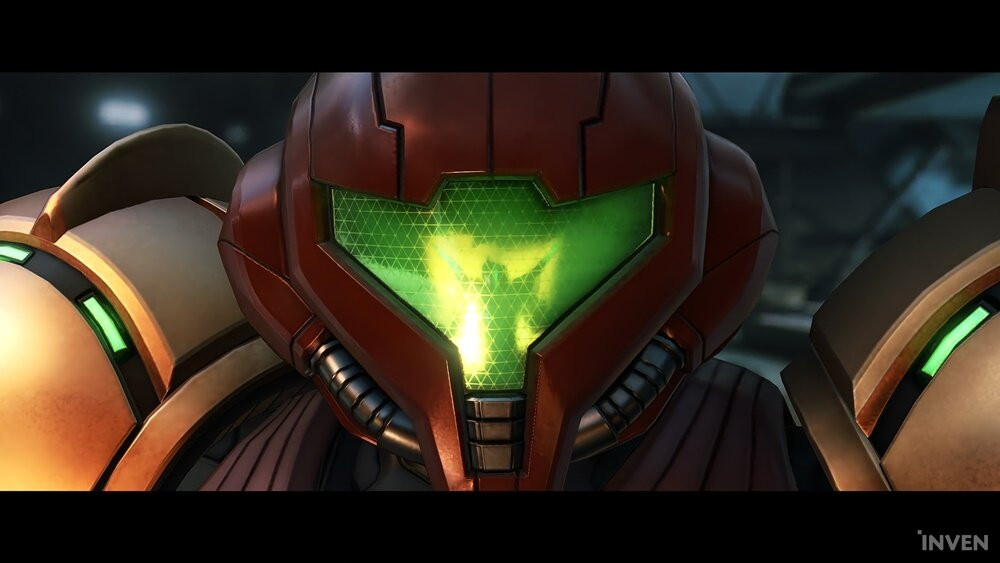
A sequel released after 18 years naturally invites expectations of sweeping change. The same holds true for Metroid Prime 4. With an eight-year development period since its initial announcement, it was only natural for anticipation to build regarding the magnitude of its achievements. However, upon encountering 'Metroid Prime 4' with such expectations, it must be soberly stated that clear, differentiating innovations from its predecessors were difficult to find. That does not mean nothing has changed.
Visually, the game represents a major leap forward. While it may be difficult to directly compare it with the latest PC games, especially those renowned for their graphics, it clearly distinguishes itself from its predecessors on the GameCube and Nintendo Wii, which were limited by hardware constraints. Metroid Prime 4 maintains the series' unique art style while refining it with modern technology. Considering the 18-year gap and the improved performance of the Switch 2, this might seem like a natural progression, but it goes beyond a simple resolution upgrade, significantly enhancing the visual experience through improved presentation and detail.
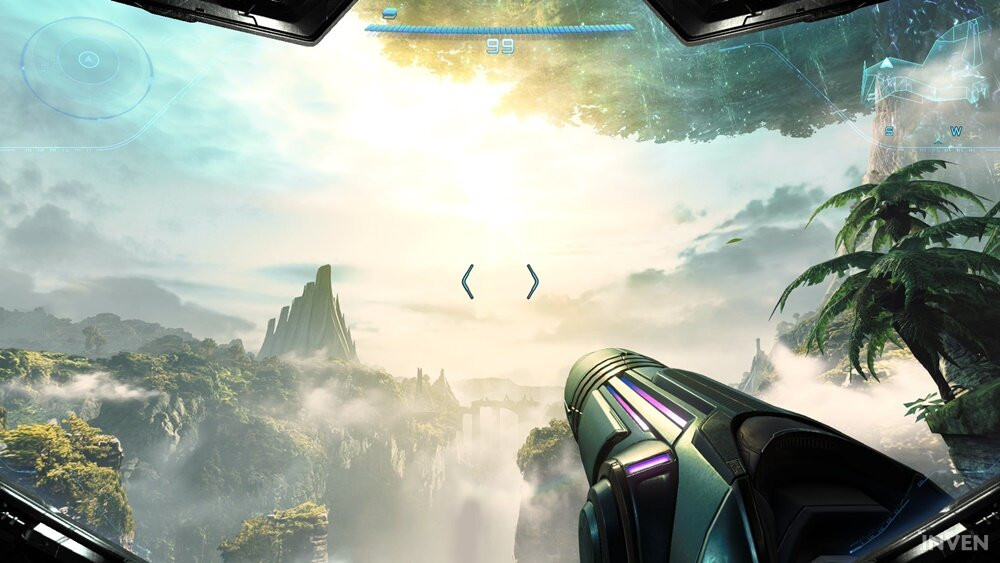
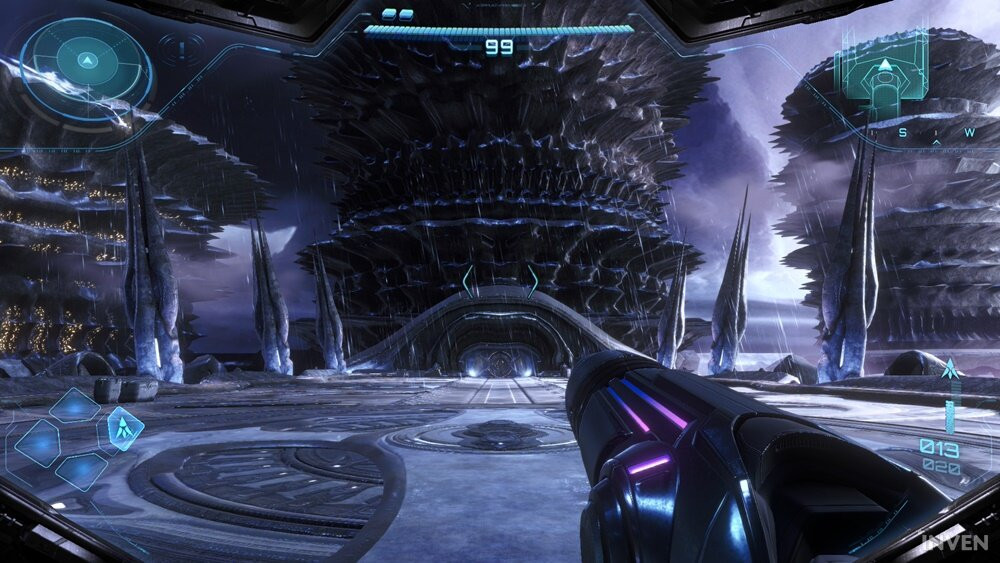
▲ Each zone boasts entirely different scenery, offering the pleasure of exploration and visual enjoyment
Notably, the game also supports 'Graphics Mode' and 'Performance Mode' in line with the latest console trends. It maximizes visual satisfaction with a Graphics Mode that supports 4K 60Hz, or offers a comfortable and smooth control experience with a Performance Mode at 1080p 120Hz, thereby satisfying the needs of various Players.
However, if one looks beyond these graphical, directorial, and visual advancements, the fundamental structure of Metroid Prime 4 closely adheres to the series’ established structure. Of course, the lack of significant differences from previous installments cannot be entirely viewed as a drawback, as the second and third entries followed a similar pattern. Given the high level of completeness established by the first game, subsequent titles have focused on improving convenience and enhancing presentation rather than pursuing radical innovation.
From that perspective, the reason 'Metroid Prime 4' adhered to its existing structure and grammar is clear. Many fans wanted that familiar flavor, and the development team faithfully reflected this. Indeed, this led to the stable enjoyment that familiarity provides, offering a quite satisfying experience.

▲ The unique gunplay elements offer stable enjoyment, making 18 years feel insignificant
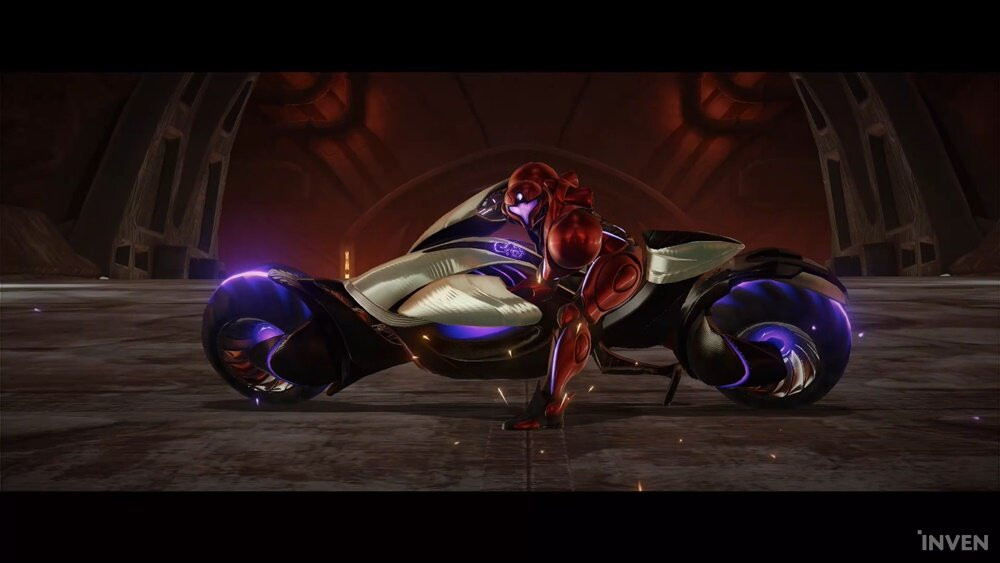
Of course, new attempts are not entirely absent. New abilities like 'Psychic' and the bike-like vehicle 'Viola' have been added, and the map structure has also seen changes, such as exploration unfolding around a massive hub area called 'Sol Valley,' unlike the organically connected maps of previous titles. They feel more like variations than foundational changes. Frankly, all these changes remain within the realm of variations that add different fun to existing mechanics.
Therefore, actual gameplay unfolds in much the same way as previous installments. Upon entering a new area, players first scan various enemies and objects to gather information, then utilize abilities and psychics acquired during exploration to solve puzzles or clear Bosses. While it could be argued that the gameplay flow is inherently similar due to the genre's characteristics, even considering this, it is difficult to perceive significant differences in the gameplay feel of 'Metroid Prime 4' compared to its predecessors.
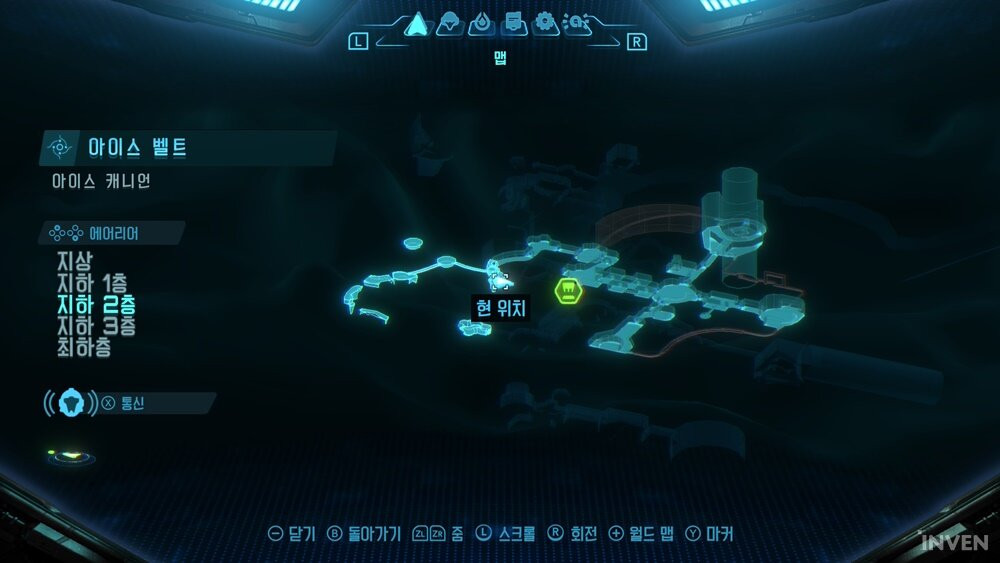
▲ The method of exploring each region, eliminating Bosses, and obtaining a type of key Item

▲ The new psychic can also be seen, in some respects, as an extension of the growth and puzzle elements from the previous title
This familiarity can be considered a double-edged sword for Metroid Prime 4. As mentioned earlier, it will undoubtedly satisfy fans who expect the inherent fun of the series, but it may disappoint those who hoped for innovation befitting a new title after 18 years. Even if it's a 'renowned restaurant' with guaranteed taste, it's hard to shake the impression that the menu composition is too identical.
At the same time, this familiarity could act as a barrier to entry for new Players unfamiliar with the series. The aforementioned scanning is a prime example. As an action-adventure game, not a first-person shooter, 'Metroid Prime 4' also requires constant scanning.
When a new area, an unfamiliar enemy, or a notable object is discovered, players must immediately stop and scan it. Based on the information obtained, they can then solve puzzles or exploit a boss's weaknesses. While this may be the essence of the Metroid Prime series for existing fans, new users who prefer fast and intuitive progression might find this process cumbersome, disrupting the flow.
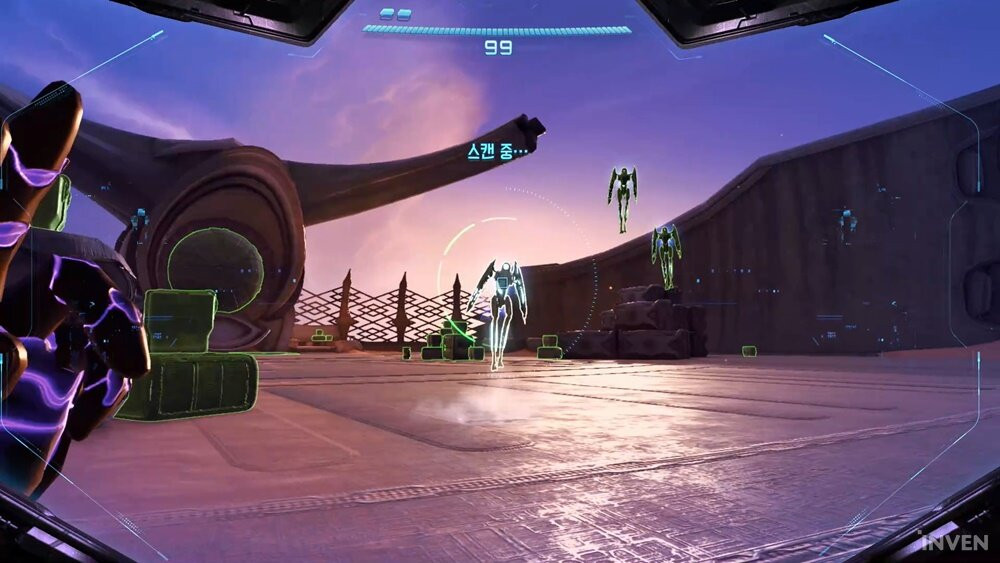
▲ While scanning is integral to the game's identity, it is also true that it can feel somewhat cumbersome.
Nevertheless, 'Metroid Prime 4' opted for familiarity. The series’ foundation is extremely robust, and there was a caution that premature changes could topple that carefully constructed tower. From that perspective, 'Metroid Prime 4's decision can be seen as the safest and most certain best answer reached by the development team after long deliberation.
Despite being an 'original restaurant' with 23 years of tradition
There is no need to inherit even the inconvenient aspects.
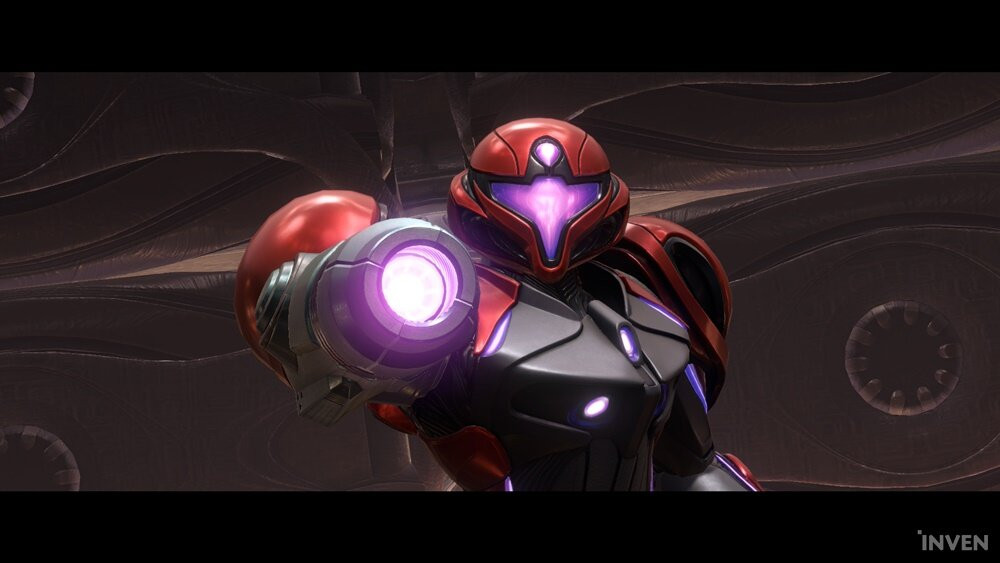
While 'Metroid Prime 4' opted for safety and completeness over challenge and change, it is not without its drawbacks. It is particularly disappointing that the game not only embraced the comfort of familiarity but also faithfully replicated the series' shortcomings, elements that could be considered flaws in themselves.
While the 'Metroid Prime series' has been lauded as a masterpiece, its method of narrative delivery has consistently been identified as an Achilles' heel. The setup where the player once again loses abilities early and rebuilds from scratch, or uncovers secrets on an unknown planet, can be considered a traditional cliché of the series. However, the storytelling approach within this process still divides opinions. For layers to fully grasp the world and narrative, they must actively scan hidden information scattered throughout the game and meticulously read the logbook. Conversely, if one does not scan carefully or neglects to read the text, the context of the story can be lost, resulting in gaps in understanding.
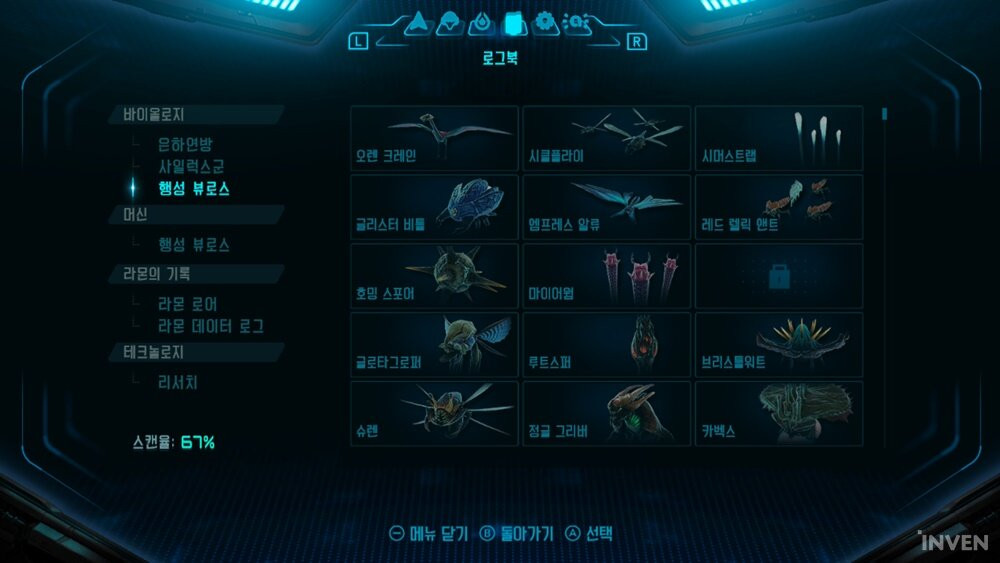
▲ To fully understand the story, players must actively explore, scan, and gather information themselves
Of course, this is also a device to maintain the taciturn Character of the protagonist, Samus. While maintaining the existing Character, the storytelling was constructed to deliver the narrative, resulting in its current form. However, it’s disappointing the story isn’t more naturally conveyed through cutscenes or environmental storytelling.
The presence of the new companion, Mackenzie, introduced to compensate for this, is also ambiguous. While she represents the player's perspective or acts as a guide, her presence is limited. This appears to be an intentional design choice to preserve Samus's aura as a solitary explorer; however, it ultimately did not significantly enhance the narrative's delivery.
A greater problem is that even Mackenzie's core role, the navigation function, is unsatisfactory. 'Metroid Prime 4' has streamlined the existing complex and organic map structure somewhat to attract new players, but there are still sections where it's easy to get lost. When attempting to communicate with Mackenzie for hints at such times, she often remains silent during crucial moments.
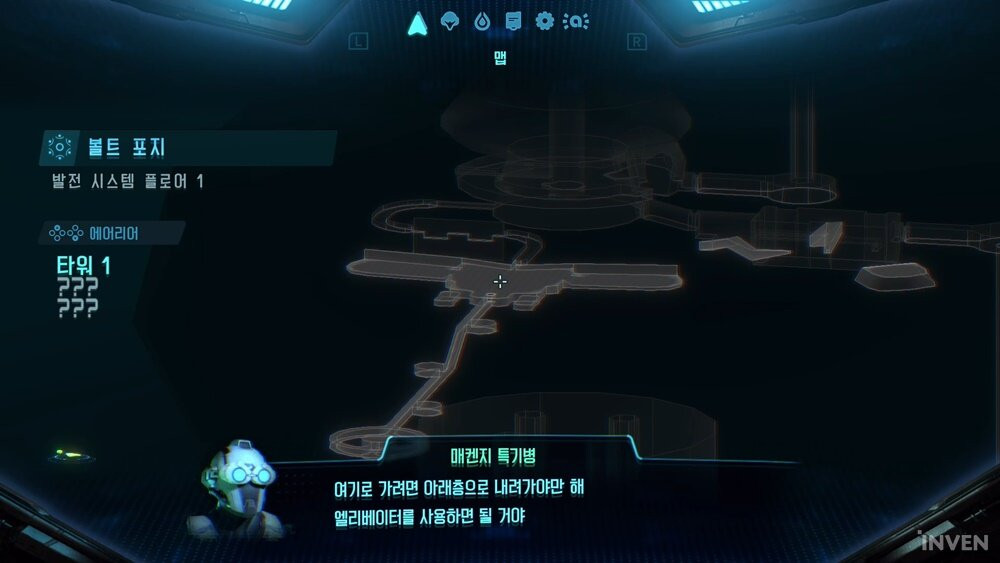
▲ The system often fails precisely when guidance is most needed
While communication works unnecessarily well in everyday situations, it is virtually useless when hints are desperately needed due to being stuck on a puzzle or lost, as communication is unavailable. This creates a paradoxical situation where a system introduced for the convenience of new Players instead causes frustration and discomfort.
The series's iconic scan mechanic is a double-edged sword at this point. While it undeniably enhances the density of exploration, the Metroid Prime series features an excessive number of scannable objects. The lack of a clear visual distinction between objects essential for progression and those purely for information gathering increases player fatigue. In practice, players often end up scanning nearly everything, which slows the game’s pacing. While this might be a familiar routine for long-time fans, having to scan every new enemy encountered inevitably disrupts the inherent pacing of an action-adventure game.

▲ Existing fans might naturally accept it, but what about new players?
Beyond inheriting the series' shortcomings, the ambitious introduction of Sol Valley and Viola's disharmony also leaves much to be desired. While previous titles were praised for their complex yet organically connected map designs, this installment is structured around Sol Valley, a massive hub area connecting each region. Although the intuitiveness of the regions themselves has improved, the problem is that Sol Valley is excessively vast and monotonous.
It is frequently necessary to move from Area A to Area B, and then to Area C, during gameplay, but the problem is that this entirely consists of endlessly traveling on Viola. As a result, Sol Valley feels like a vast but empty stage, hastily constructed to forcibly utilize Viola as a mount.
This naturally leads to questions about the utility of the Viola. Although it is a core content feature, prominently highlighted alongside the new Psychic ability, its actual use within the game is limited. It functions mainly as a required transport tool rather than a meaningful gameplay system. The fact that it feels more like a cumbersome travel process than a source of new enjoyment leaves a lingering sense of disappointment.

▲ As you run endlessly, there are times when you wonder if it was really necessary to include Sol Valley or Viola.
Although it did not live up to the reputation of a masterpiece
The fun remains unchanged
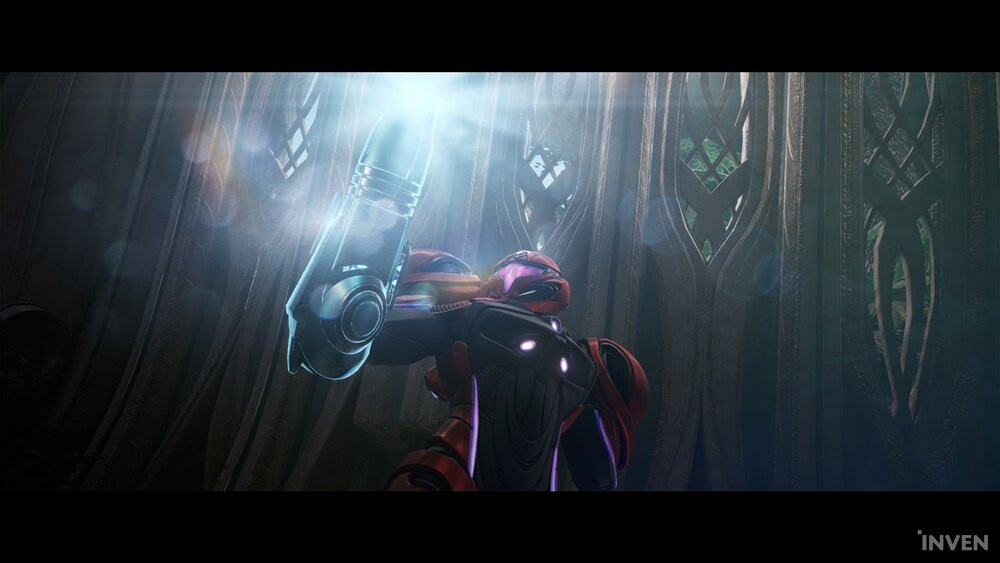
In the end, Metroid Prime 4 is a carefully crafted reward for longtime fans. The series' core platformer action and exploration elements have been perfectly inherited, making the 18-year wait seem insignificant, while the convoluted pathfinding and puzzle elements that troubled past users have been refined to be much simpler and more enjoyable.
The significantly enhanced combat enjoyment is particularly encouraging. While often mistaken for an FPS (First-Person Shooter) due to its first-person perspective, this series strictly positions itself as a First-Person Adventure (FPA). Consequently, previous installments, having focused heavily on exploration, sometimes received criticism for lacking the impact or depth of combat expected from a shooting game.
Here, Metroid Prime 4 succeeds. Moving beyond flat combat where players simply aim and shoot enemies, the game increased combat density by adding unique patterns and clear points for each Boss. Beyond the physical elements of dodging and shooting well, the enjoyment of identifying enemy weaknesses and responding strategically was added, elevating the tension of Boss battles to an unprecedented level compared to previous installments.

▲ The combat, which involves clearing bosses like solving a puzzle, offers a satisfying experience in many ways
Of course, a slight sense of disappointment remains. Eight years of extended development and 18 years of waiting. It is true that "stable completeness" alone seems somewhat insufficient to satisfy all the expectations accumulated over such a long period. The fact that some variations introduced to lower the entry barrier received ambiguous evaluations from both existing fans and new users is also a painful point.
To be clear, Metroid Prime 4 isn’t a game that reshapes the industry. However, I want to highly commend the efforts of the development team who struggled to preserve the value of the original work at a crossroads of change. It is a polished, confident entry that reliably delivers what the series does best.
Are you tired of rail shooters that relentlessly pour out bullets? Or do you wish to experience the romance of exploration, charting unknown worlds with just a map in hand? If so, this winter, 'Metroid Prime 4' will be the best choice for you. While it may not be a game for everyone, it will offer an irreplaceable, top-tier experience for those whose tastes align with it.
This article was translated from the original that appeared on INVEN.

Sort by:
Comments :0