Paradox Interactive has launched Crusader Kings III: Silk & Silver, a major expansion for its medieval grand strategy role-playing game (RPG) that adds playable merchant families and Republic governments. It is out now. Gold buys doors that blood cannot.
According to a release, Silk & Silver went on sale on November 17th 2026 at a suggested retail price of $29.99 (£25.99 or €29.99). It is also included in Chapter V for Crusader Kings III. The expansion has a Steam page, and Paradox released an official trailer alongside the launch.
Grand strategy games put players in charge of a whole state over long stretches of history. Crusader Kings III narrows that to a dynasty. Players guide one family across generations, through marriages, wars and plots.
Paradox calls the base game ‘celebrated’ and pitches Silk & Silver as a way to rise ‘from the bottom of the world’ to great power through trading, ‘cutthroat politics and a little luck’. The release does not list platforms.
Merchant companies and trade routes
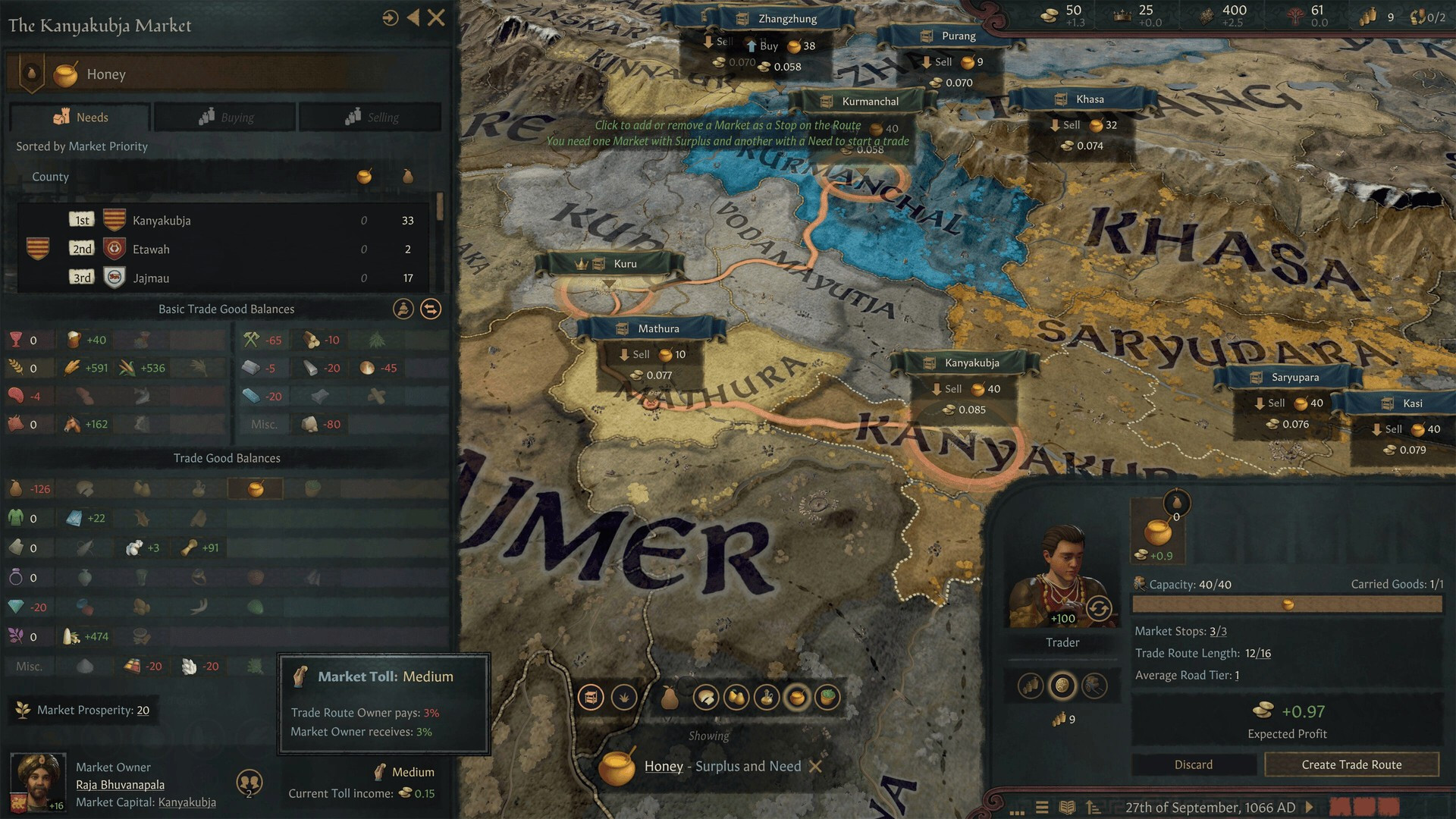
The new Merchant government puts players at the head of a landless merchant family and its trading company. Players hunt for profitable Trade Routes across more than 40 trade goods, and the company's reach grows with its wealth and renown.
Each merchant picks one of three specializations. Caravaneers move large amounts of goods, Creditors lend money to rulers and Artisans create new artifacts. Experience in traded goods unlocks bonuses, while money and intrigue can win over nobles and royalty as patrons.
Political pull matters too. Merchants can gain exclusive rights to trade select goods in a Market, or claim a full Monopoly to push rivals out. A mansion serves as the company's base; spending gold and prestige on its grounds opens up more trade routes.
Playable Republics such as Venice and Genoa
Silk & Silver also opens up Republics for play, including the Mediterranean states of Venice and Genoa, which the release calls ‘rich merchant states with power to challenge any king’. Players rule a patrician family. Wealth buys power, and popularity decides who keeps the role of doge (the elected head of state).
Players set the constitution by asking the Assembly to pass laws that control leaders' terms and how the state treasury is spent. An administration choice then decides what the Republic does best: a seafaring trade power, an expansionist house of nobles or a city-state ruled by the common folk.
Trade Posts extend a Republic's influence into foreign counties. Through the new trade system, Republics can also join Trade Leagues, which bring commercial and military benefits.
New bookmarks in 1066 and 1178
Two new bookmarks, the game's preset historical start dates, come with the expansion. 1066 – Channels of Commerce casts players as some of the best-known merchants of the Middle Ages, building trade networks for spices, silk and silver. 1178 – Guelphs & Ghibellines drops players into the clash between papal and imperial ambitions in Northern Italy.
Italy gets extra flavor. Players can hold civic carnivals to celebrate their Republic, and the Guelph and Ghibelline factions can tip political rivalry into open warfare.
Paradox Interactive develops and publishes strategy and management games for PC and consoles. According to the company, its biggest markets are North America, Western Europe and Asia. Its portfolio includes Stellaris, Europa Universalis, Hearts of Iron, Crusader Kings, Cities: Skylines, Prison Architect, the Surviving games, Age of Wonders and Victoria; Paradox also owns the World of Darkness brand catalog.
The following was sent as a press release to Inven Global.