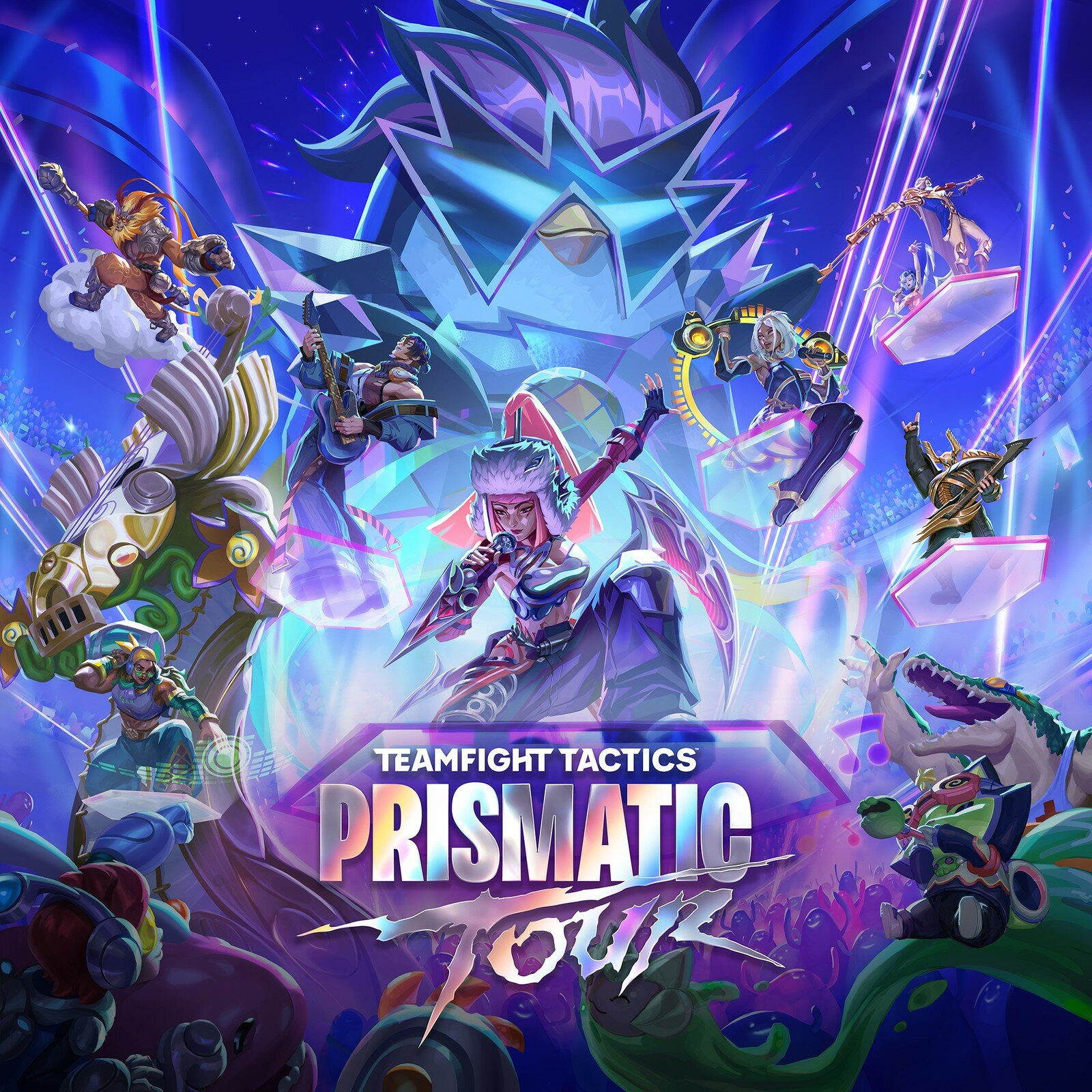
Teamfight Tactics (TFT) returns with a music theme featuring 94 champions. In Set 19, 'Prismatic Tour', the music changes based on the champions placed on the board and their trait tiers, while the unlock system for unlocking new units by fulfilling specific conditions becomes a permanent feature. K/DA activates its trait using total star levels instead of unit count, and top-tier Prismatic traits transition to a quest-completion method.
Riot Games introduced the music, gameplay, cosmetics, and esports plans for Prismatic Tour during an online media briefing on November 11. This set covers 24 music genres across 14 bands and 10 solo artists. Expanding on the musical combinations of Set 10 'Remix Rumble', each band features unique approaches to scaling and composition.
Upgrading Traits Enriches the Music Three-Layer Remixes and Separated Planning vs. Combat Tracks
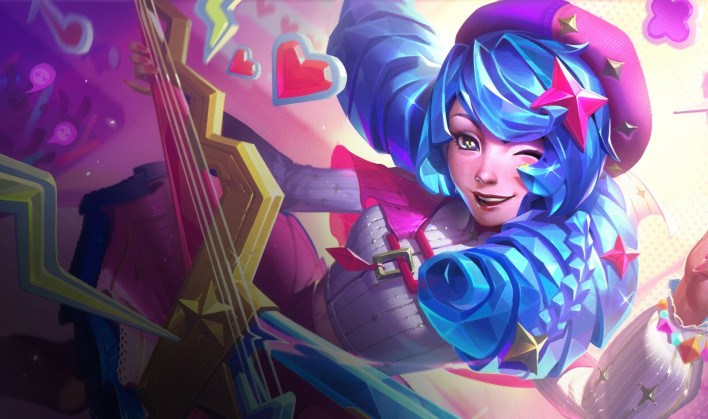
The music of Prismatic Tour shifts in real time according to board compositions. Each genre’s music is divided into three layers—melody, harmony, and bassline—and mixed together, producing over 10,000 remix combinations according to the developers. Designed to share chord progressions, song structures, and tempos across different genres, even distinct styles such as 8-bit, disco, and mariachi seamlessly transition into one cohesive track.
The key difference from Remix Rumble lies in letting players audibly feel their board scaling. Back then, most genres had two individual tracks each, relying more on swapping existing parts rather than building up layers. This time, as traits reach key breakpoints—such as climbing from Bronze to Silver—the associated genre evolves into a richer, more intense version. Upgrading the same band is reflected directly in both combat power and music.
The atmosphere is also split between the planning and combat phases. Calmer music plays while players strategize their compositions, and as combat begins, the energy ramps up to unleash the prepared tracks. Solo artists can add solos on top of existing backing tracks or lead the backing track entirely, trading solos back and forth when multiple solo units are fielded together. This expands musical expression through combining multiple units, compared to previous music sets where single solo artists dominated.
Unlocks Become Permanent, Rewarding Tough Challenges with 7-Costs Unlock Objectives Split into Flex, Capstone, and Chase Categories
The unlock system introduced in Set 16 'Lore & Legends' becomes a permanent feature in TFT starting with Prismatic Tour. The developers categorized unlockable units into three roles: Flex, Capstone, and Chase. They designed these to distinguish flexible options that fit multiple compositions, final pieces for deep vertical traits, and challenge rewards earned by fulfilling difficult conditions.
An example of a Flex unit is the 4-cost ranged carry Vayne, introduced as an option that can be added to compositions at various points during a match. Capstones are primarily 5-costs that complete specific trait compositions, while Chase unlocks are special rewards worth pursuing only when conditions align. Reflecting on Set 16, the developers noted mixed reactions to unlocks, with some being less appealing to certain players. This time, they clearly separated the roles of Flex units for competitive players building flexible endgame boards and Chase units for creating dramatic challenge moments.
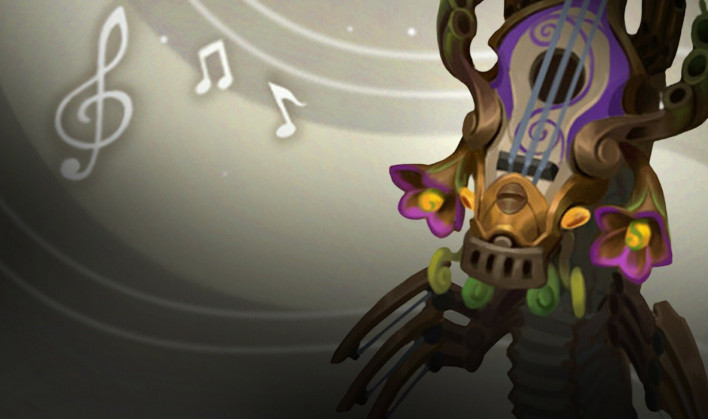
The prime example of a Chase unlock is Baron Nashor. When using the 3-cost Malzahar—who possesses a Magic Resist shred effect—instruments appear in the shop. Collecting all five instruments unlocks the music-themed Baron Nashor. Baron Nashor is a 7-cost unit not included in the standard unit pool. All 7-cost units introduced in this set require demanding unlock conditions, which the developers explained are designed to reward the effort required with immense combat power.
The 7-cost Sona unlocks upon reaching player level 10 while playing the Collab trait. She can adapt to match five major bands and converts all stats into Ability Power, allowing her to utilize a wide variety of items. Another 7-cost, the Jazz champion Smeech, is unlocked by playing 8 traits. Smeech generates a random number of beats every 4 seconds, and accumulating beats creates emblems for traits not currently on the board. This unit is designed for gameplay centered around adjusting compositions to newly acquired emblems. The developers stated there are twenty-three 5-cost units in this set, separate from the unlockable 7-costs.
K/DA Counts Stars Instead of Units, Illbeats Mixes Stats Gameplay Shifted by Star Levels, Mixers, Permanent Buffs, and Win-Loss Toggles
K/DA trait breakpoints are determined by summing the star levels of K/DA champions placed on the board. Divided into breakpoints of 3, 5, 7, 10, 13, 15, and 21, starring up a single K/DA champion to 3-star activates the first tier with that unit alone. Beyond simply increasing unit count, this opens a path to scale the trait by raising the star level of low-cost units. Set 10 Superfans Lillia and Neeko are joined by Gragas, while the 4-cost tank Leona appears as K/DA's manager.
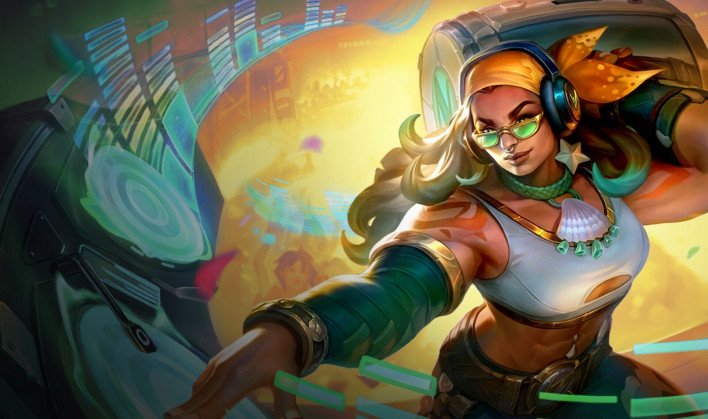
Featuring Brazilian Funk, Illbeats expands Set 10's solo artist Illaoi into a full group alongside Draven, Braum, and Yuumi. After activating the trait, opening the exclusive Mixer allows players to allocate four sliders for Health, Attack Damage, Ability Power, and Gold Chance on Takedowns. Stats can be distributed according to the board, whether prioritizing Health for Braum, Attack Damage for Draven, or Gold generation for Illaoi. Concentrating decibels into a single stat reduces extra efficiency, and presets are provided for quick adjustments.
Ionic Spark is a band featuring Gwen, Aurora, Elise, and Briar, joined by Annie & Tibbers, Yunara, Lux, Shyvana, and Jinx. Fans on the side of the board throw gifts, and at breakpoints 3 and 5, stats increase as combat drags on. Upon reaching breakpoint 7, players receive consumables every two rounds to permanently buff Ionic Spark champions. Even if players drop down to breakpoint 3 or 5 to flex into other traits after scaling units at breakpoint 7 in the same match, the permanent buffs are retained.
True Damage treats win streaks and loss streaks as two sides of a record. Players can pursue win rewards on the A-Side or loss streak economy on the B-Side, switching between the two based on opponent strength. Notably, the B-Side record counts only consecutive losses from battles fought while B-Side was active. Winning after switching to the A-Side preserves the accumulated loss streak on the B-Side, requiring players to assess opponents with a different tempo compared to standard loss-streak comps.
From Duo Synergies to Collabs That Change Every Game Fielding Mel & Rell Together, Stacking Scaling, and Variable Member Options
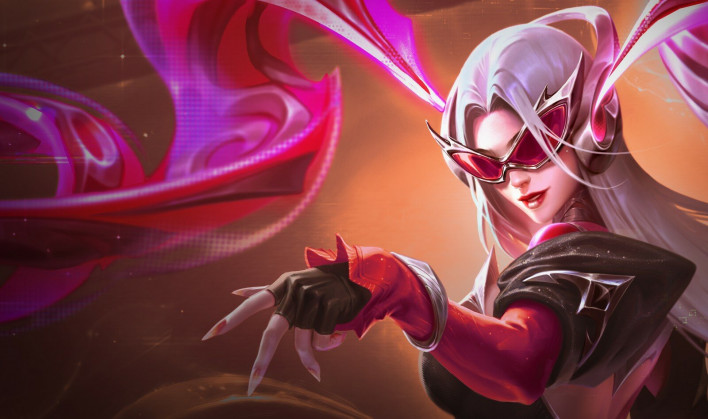
R&B is a duo consisting of Mel and Rell. Fielding either one reduces incoming damage from enemy spells for all allies, while fielding both allows Rell to heal based on damage dealt by Mel, and Rell absorbs damage intended for Mel. This synergy pairs the 4-cost Arcanist Mel for offense with the 5-cost tank Rell for protection.
Hyperpop combines unlocks with long-term scaling. Except for the 1-cost Ziggs, all Hyperpop units are unlockable, building Hype at round end to yield loot whenever thresholds are passed. Higher trait tiers grant more Hype, and accumulating 900 Hype unlocks Teemo, who provides additional Hype. Kobuko gains size and Health based on Hype. Possessing three traits, Ziggs is designed to be versatile across boards even when Hyperpop is not built as a main trait.
Classical, which features traditional Chinese music, lets players select a scroll at breakpoint 4. The Scroll of Heavenly Prayer is an option that morphs into a recommended completed item each combat. Choosing the Scroll of the Beast increases the maximum level from 10 to 11, with the developers setting the required XP at 999. Holding this scroll comes with the risk of incurring the Beast's Wrath upon losing two consecutive battles.
Collab features a champion roster that changes every game, with only Sona remaining as a permanent member. Collab units gain Attack Damage and Ability Power, receiving champion copies every few combats. Players can collect these copies to star up units, sell them to level up quickly, or bolster endgame combat power. Even when choosing the same trait, key units and scaling paths vary from match to match.
Prismatic Traits Unlocked via Quests Instead of Emblems 363 Augments and Special Quests for Five Bands
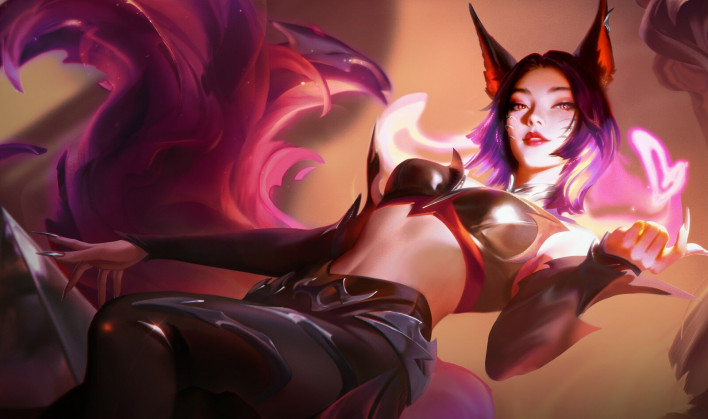
Prismatic Tour features a total of 363 augments, which the developers introduced as the highest number in TFT history. Among them are six Hero Augments. In revealed examples, Annie rides on Tibbers' back to throw fireballs, Lillia leaps into the enemy backline to inflict poison, and Renekton sleeps during the first half of combat before joining late. 'Blind Box II' was introduced as an option to gain a random Prismatic Augment in exchange for losing 8 gold.
The process of reaching top-tier Prismatic traits has also changed. Instead of accumulating emblems, selecting a Prismatic Tour augment grants a special quest, and completing it unlocks that trait's Prismatic tier. The five eligible traits are Pentakill, Ionic Spark, True Damage, Heartsteel, and K/DA. The direction shifts beyond securing specific emblems to directly completing in-game objectives.
Exalted Tactician Tier Added, Team Tournaments Continue in Set 19 Chibi Gwen's Exclusive Features and Expanded Competitive Opportunities
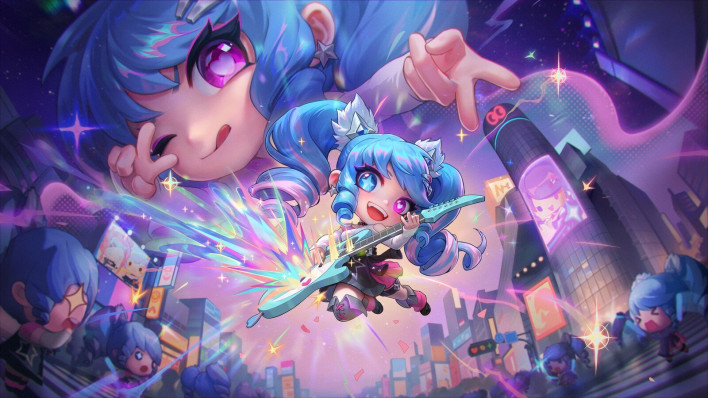
Cosmetics feature a new tier called Exalted Tacticians. Its first representative, Exalted Chibi Ionic Spark Gwen, includes visual effects that snip opposing Tacticians into her own fan look. Gwen herself can toggle between her base form and doll form, with the doll form applying a randomized small or large size upon transforming. Exclusive emotes are also available in doll form.
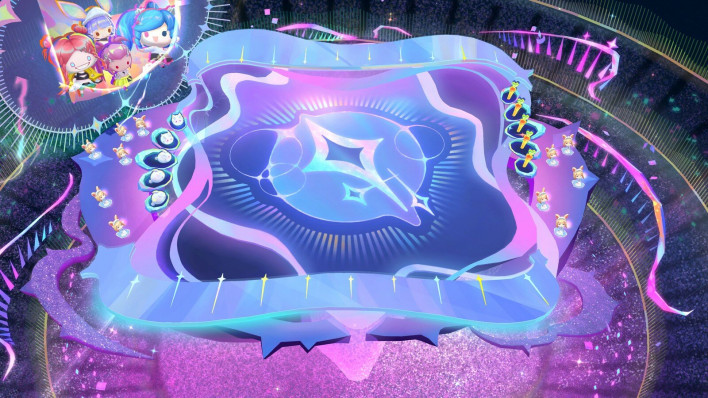
Chibi Ionic Spark Aurora, Chibi Ionic Spark Briar, and the Mythic Arena were also revealed. The arena transitions visually from city streets up to an elevated stage.
In esports, Set 19 will host the third Strategist's Trial alongside the return of the 4v4 tournament, Strategist's Mayhem, expanding opportunities for Tier 2 players to compete more frequently and for longer periods. The Convergence Fest and Vegas Open in Las Vegas from December 11 to 13 will feature a 1,024-player open bracket, accompanied by on-site programs such as Artist Alley, developer talks, and showmatches.
The developers announced that performance optimizations for Unreal Engine and the standalone client will continue in Set 19. According to the official patch schedule, Patch 19.1 marking the start of Set 19 is scheduled for December 1 (PST). The content introduced during this briefing is currently in development and may be adjusted prior to the live update.