At gamescom 2026 in Cologne, Germany, there was a location that drew as many industry professionals as the demo booths for countless new games. It was a lecture session on "networking"—an eternal homework assignment for those in the game industry. In an industry with many naturally introverted developers, walking into a crowd of strangers, handing out business cards, and striking up conversations often feels even more daunting than facing a high-difficulty raid boss.
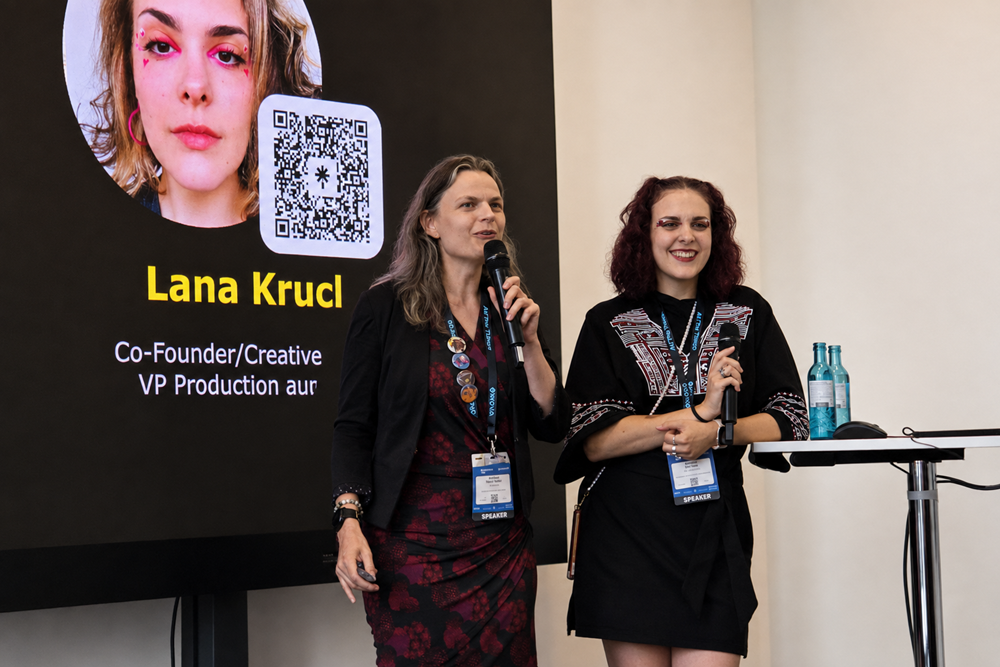
The two speakers on stage, Adinda and Lana, had diametrically opposed personalities when it came to networking. Adinda, a mentor and event organizer, is a free spirit who loves relaxed late afternoons, lively parties, and serendipitous encounters. On the other hand, Sound Monkeys founder Lana prefers quiet early-morning coffee chats and meticulously scheduled meeting systems, hating crowded, noisy parties with a passion.
Though different as oil and water, the two engaged in a delightful back-and-forth throughout the lecture, delivering one unwavering message: there is no single right answer to networking, and rather than forcing yourself to copy others, you must find your own "networking DNA." Having mastered their own survival methods through trial, error, and burnout, their hard-hitting advice drew warm laughter and deep resonance from the audience.
No Single Right Answer: Finding Your "Networking DNA"
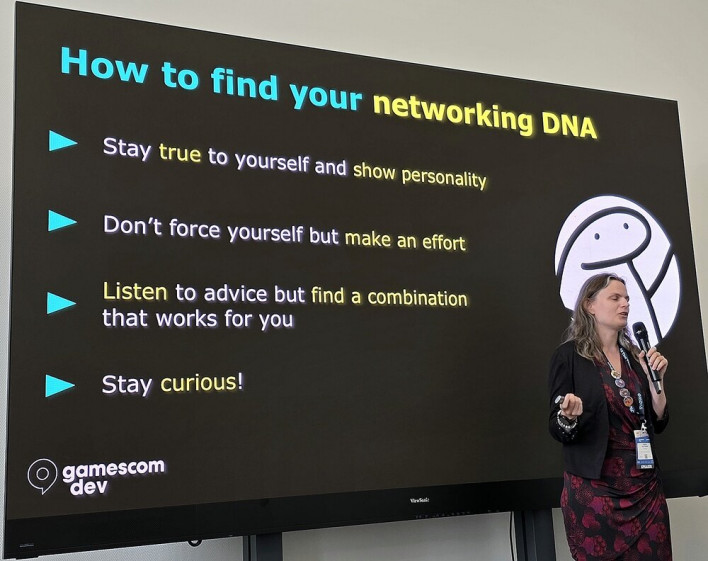
The two speakers directly refuted the advice often given by industry veterans that "you must attend parties to succeed." Networking while ignoring your own personality inevitably leads to burnout. In particular, Lana candidly shared her journey toward summoning the courage to decline party invites despite pressure.
"If you hate parties, you don't have to go. Don't listen to other people lecturing you. If you feel like you can't stand it anymore, it's always fine to slip away. It's much better to leave early and recharge your energy than to shut yourself in a bathroom having a mental breakdown."
Of course, blanket rejection isn't the solution either. Adinda highlighted the benefits of parties where serendipitous encounters can happen in a relaxed atmosphere, adding that people should research the host or venue vibe beforehand to filter out events that suit them. In fact, even Lana, who dislikes loud and crowded spaces, shared an anecdote about having a great time bonding with Adinda at a quiet 'silent disco' party playing '70s music.
Survival Strategies for Introverts: Flipping the "Extroversion Switch"
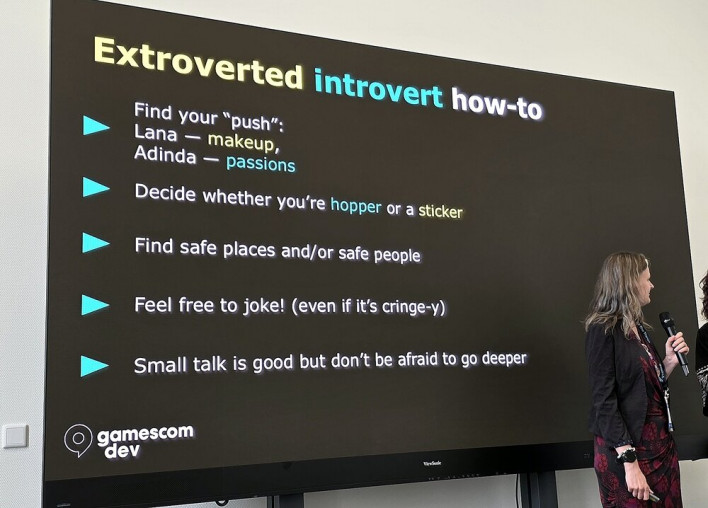
For introverts to blend into a room of strangers, they need a safety net or a personal "kick" that projects extroversion. For some, it might be a t-shirt featuring their favorite band; in Lana's case, bold and distinctive makeup helped make her presence felt.
"Two years ago, when I was struggling with severe depression, what pulled me out when I just wanted to wrap myself in a blanket and cry was my makeup. I pushed myself, thinking, 'I spent 25 minutes on this eye makeup—I can't ruin it by crying! I have to go out and work!' And it turned out to be a great conversation starter as well."
Flexibly adjusting your networking style according to your physical and mental condition on any given day is also crucial. Decide based on your energy level that day whether to be a "Hopper," moving constantly around the venue for brief interactions with many people, or a "Sticker," having deep conversations with a select few. Additionally, setting clear goals, target numbers of contacts, and a rough schedule for the day helps ease vague fears and feelings of exclusion.
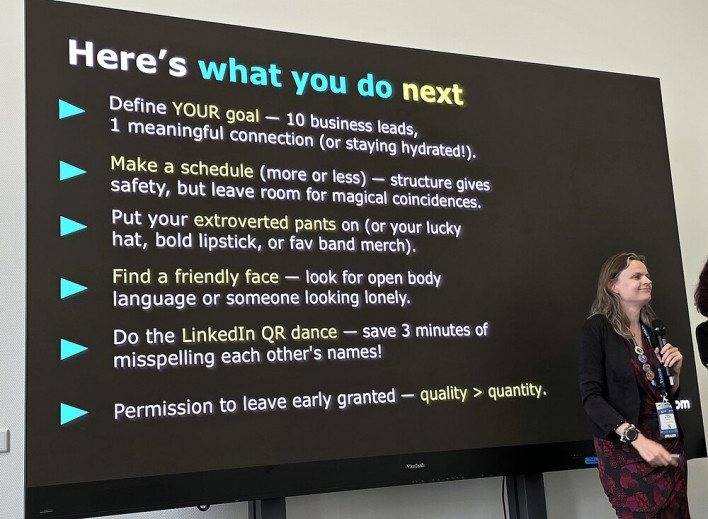
The speakers also generously shared practical, real-world survival tips for unfamiliar event floors. First, if you feel lost standing in a corner with no familiar faces, instead of forcing yourself into a group, look for a "friendly face" who appears alone or less busy, approach them, and offer a candid greeting. Furthermore, setting a LinkedIn QR code as your smartphone wallpaper instead of draining energy on physical business cards can dramatically shorten the awkward contact-exchange routine known as the "LinkedIn dance."
Above all, after spending the entire day smiling and exhausting your energy, having a comfortable acquaintance—a "safe person"—with whom you don't need to force a facial expression allows you to periodically recharge your drained battery.
The Golden Rule of Networking: Don't Be a Calculated "Shark"
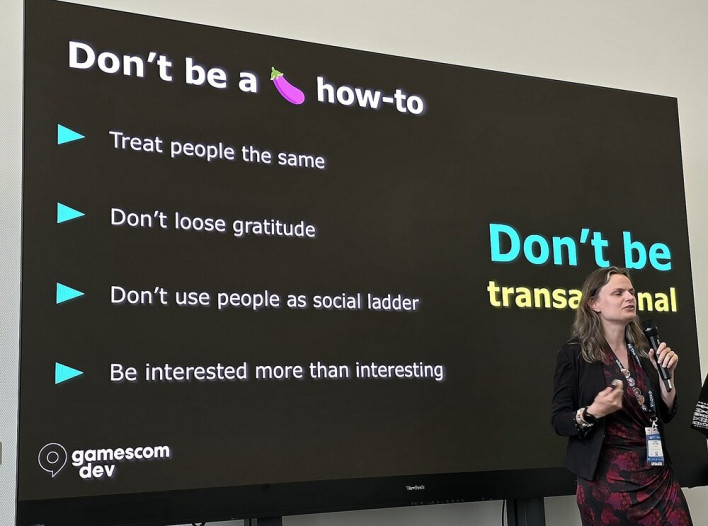
No matter how different their personalities, the core philosophy both speakers agreed on most strongly was "never lose authenticity." They warned that the moment you treat the person in front of you as a mere business tool, you will quickly lose your reputation in the tight-knit gaming industry.
"Networking in this industry is a long-term game. Don't use people as ladders for your own upward mobility or success. Whether someone is the CEO of a major studio or a volunteer, treat everyone equally. Being transactional is obvious to everyone, and nobody wants to work with someone like that."
They singled out the "spotlight effect" as a pitfall to be particularly wary of. After closing a big deal or having dinner with CEOs of famous studios, it is easy to mistakenly feel like the world revolves around you, but the other person likely remembers you as just an extra who shared a meal. Both speakers repeatedly emphasized that the moment you fall into this illusion, forgetting the help around you and losing gratitude, you will quickly be branded as someone to avoid in the industry.
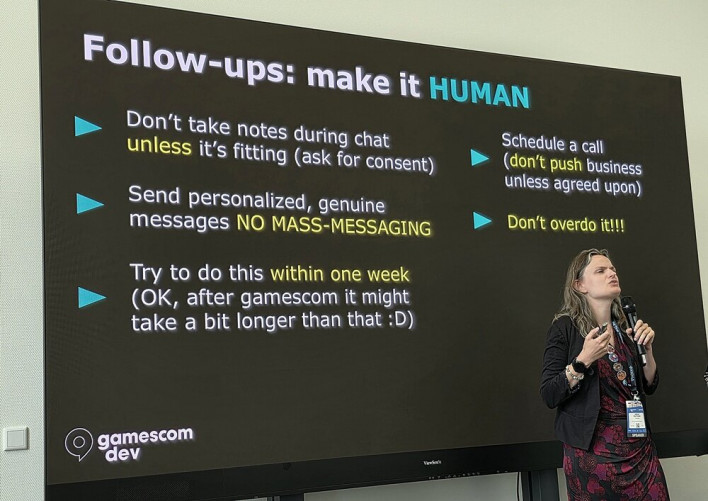
Sharp criticism was also offered regarding post-event follow-ups. Collecting hundreds of business cards and sending out meaningless mass messages can actually be toxic.
"After the event, please type out and send personalized messages yourself. Absolutely no AI copy-pasting! Remembering where and what you discussed and sending tailored follow-ups is how relationships endure and meaningful networks are formed."
Ultimately, the session concluded with a warm reminder about interpersonal relationships. Rather than burning yourself out obsessing over short-term results, building connections slowly at your own pace is the surest networking method for surviving in the gaming industry.
"Keep in mind: networking is not a short sprint, but a marathon that requires running for the long haul."

Sort by:
Comments :0