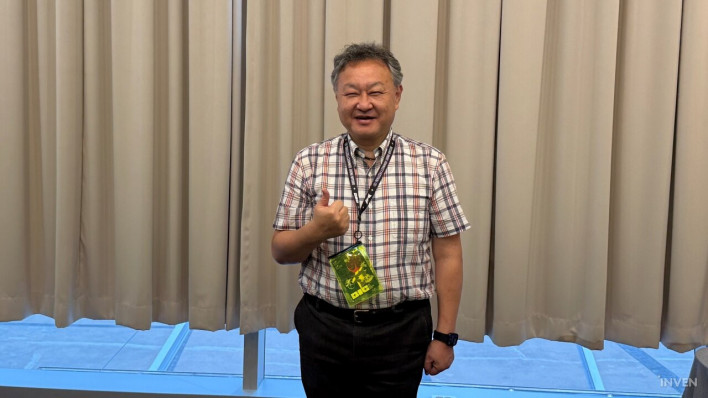
Shuhei Yoshida returned this year to BIC 2026, Korea's premier indie game festival held at BEXCO in Busan from the 14th to the 16th. During his tenure at Sony, Yoshida was actively involved in the distribution and publishing of numerous titles, as well as the discovery of indie games. Since leaving the company in January of last year, he has established YOSP, where he now serves as an advisor to indie game publishers and developers.
At this year's BIC 2026, Yoshida participated as a speaker at the Busan Indie Wave Conference, where he inspired indie developers by sharing three key points publishers look for when evaluating a studio. Many industry professionals attended to hear his advice on preparing game designs, systems, introduction videos, and playable demos, as well as the importance of clearly defining one's development experience and the specific support needed from a publisher. Following his talk, Yoshida explored various domestic and international indie games at the festival and shared his thoughts and insights during a media roundtable.
You seem to be traveling the world and meeting more developers since becoming independent than when you were at SIE. What else has changed for you since leaving SIE?
" For the last five years or so, I was in charge of 'Indies,' a department dedicated to promoting indie games. During that time, I got to know many indie publishers and developers. After I went independent in January last year, those same people reached out for advice. Currently, I am consulting for several publishers, including Kepler Interactive and Fireshine Games. Of course, I also receive requests from various development studios and provide them with consulting as well.
As a freelancer, I now travel to many places regardless of the platform. From a publisher's perspective rather than a platform's, I meet developers who release games on various platforms like Nintendo or Xbox, and even OTT platforms like Netflix. By working with diverse stakeholders without being bound by platform constraints, I've gradually learned how to more actively support indie developers and publishers. This experience has been truly refreshing.
At this year's BIC, we've heard many developers say that using AI has made development easier even with small teams. What is your take on AI?
" Many developers are exploring AI from various angles, and I believe it is incredibly efficient for programming.
For example, a friend of mine who used to create PS games is now an independent developer. He can create art, but he couldn't program. He felt that even if he wanted to make his own game, he couldn't reach the level of programming skill he needed as an indie developer, and it would be difficult to secure that talent. However, with the help of AI, his work is progressing very quickly, and he told me he is now able to create what he wants. He even mentioned that he wants to release a game every year.
Let's take generative AI as another example. In the past, when planning a new game, deciding on the art style for the world-building alone would take about two weeks. That's how long it took to convey the plan to an art director, have the artists work on it, and then have the planner review the results and refine the details. Now, because AI shows results quickly, we can check them immediately and establish the art direction much faster. However, I don't think it can replace human creativity.
You were seen demoing many games at this year's BIC. Which titles left the biggest impression on you?
" A unique feature of BIC seems to be that you can download and enjoy games from the website before the exhibition. I downloaded about 30 games in advance and had already played about 15 of them before arriving.
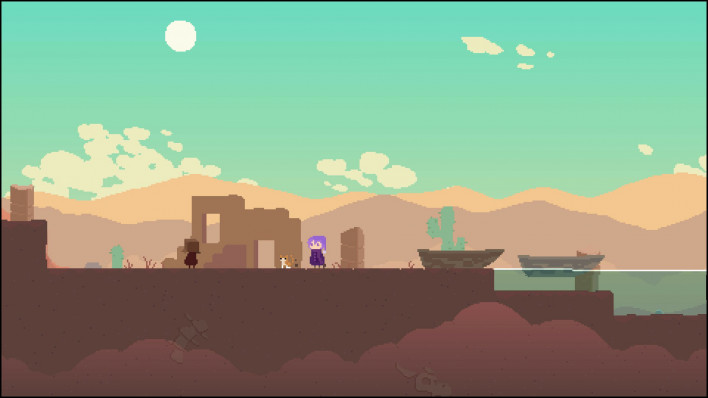
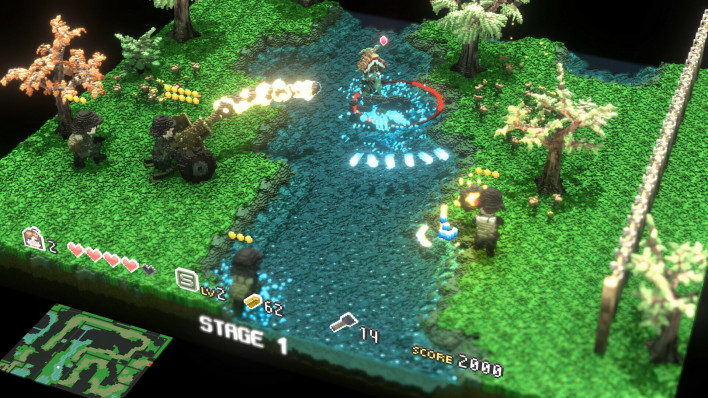
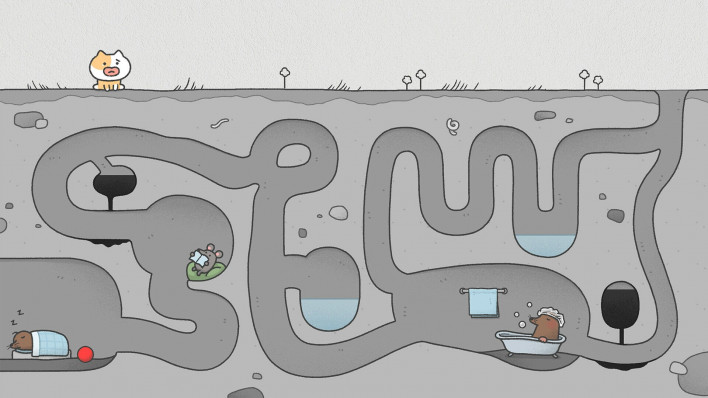
At the venue, I focused on the games I hadn't tried yet. Three stood out: first, the puzzle game 'Reverie.' Second, 'World War V: Last Call.' I loved the uniqueness of how it transitions from 2D pixel art to a 3D action shooter. Finally, the puzzle game 'Where is the Red Ball?'. I understand it was made by a teacher and a student together, and because the protagonist cat is so cute, I chose it as the most memorable work this year, just like last year.
You must see many games through your consulting work. What do you focus on, and what are your insights on approaching different genres.
" For the publishers I currently consult for, like Kepler Interactive and Fireshine Games, they don't pursue any specific genre. Instead, I mainly look at whether a new game has a differentiated appeal compared to top-tier games in that genre. I look at the art direction, game mechanics, and if they are mixing multiple genres to provide a new experience, I check if there are distinct points of differentiation compared to other excellent games with similar elements. The core is how they present a new kind of fun that is distinct from existing games and how they have developed that concept.
You've toured indie game shows in Korea, China, and Japan. What are your thoughts on the trends in each country?
" Japan has a vibrant manga and anime culture, so there's a sense that there are many adventure games using anime-style art. Also, Japanese indie developers often work alone. There are many games where talented developers are doing exactly what only they can create. However, I also felt that many developers are uncomfortable working in teams.
In Korea, because the industry was previously dominated by large companies, there was a tendency to focus on MMORPGs or mobile games. However, as the number of indie developers has increased over the past few years, it seems more are taking on new challenges. Every time I visit Korea, I watch new developers take on the challenge of creating new titles, and I personally find it very heartening and welcome. In terms of genres, Korean indie developers seem to really love 2D action and rhythm games.
In China, I'm reminded again of how many people there are. It's common for new indie teams to quickly assemble groups of 50 or 100+ people. Because of this, there's an overwhelming number of cases where indie studios release action games with AAA quality.
Having played so many games professionally, I imagine there's a risk of becoming jaded or losing the sense of fun. What is your secret to continuing to enjoy games?
" I love games so much that I never get tired of them, even after playing so many for so long. I still enjoy playing them every day.
However, in my case, my main job is testing games in development. I often test games before they are sent to publishers or demo titles participating in events. Looking back, I feel I haven't had many opportunities to play finished products over the last 30 years.
Regardless, I've spent over 30 years discovering the shortcomings or areas for improvement in games under development and providing feedback. I never offered definitive solutions. I simply pointed out areas that felt difficult because of certain reasons or where progress was blocked by specific elements. How to reflect that is up to the developer. I've always been happy when, a year or two later, that feedback was reflected, the game's quality improved, and the developers told me that the advice helped them succeed.
You've worked in the indie game industry and visited countless indie game shows. How do you define an 'indie game'?
"The term 'indie game' is used so broadly these days that it's difficult to define it clearly.
In the traditional sense, it's short for 'independent game,' but then the question arises: independent from what? In the past, it was hard to release a game without a publisher, so it could be used to mean releasing it yourself without relying on one. But times have changed. Isn't it easy to release games yourself through Steam and various stores now? Furthermore, there are now publishers that specialize in indie games. In this situation, the traditional meaning of 'indie' doesn't quite fit. It's especially ambiguous since indie publishers have had a huge impact on the expansion of the indie game scene.
If I were to define an indie game today, I think it would be a game imbued with the 'indie spirit.' I see it as a game that strongly reflects the creator's vision—a game made because they truly wanted to make it.
Having seen various indie games, you must have seen many cases where developers struggle or fail due to a lack of marketing and promotion. What advice would you give to such developers on how to appeal their games?
" Developers are people who want to make games. So, it's natural that they aren't good at marketing. It's expected that they might lack professionalism in that area. But if you want many people to play your game, that part is also crucial. No matter how well-made a game is, it will be buried if no one knows about it.
First, I would advise them to start by submitting their games to events. Of course, big events like BIC or BitSummit are competitive, and sometimes you don't get selected even if you want to participate. So, for those without exhibition experience, I think it's better to start with smaller events that are open to everyone. Any venue where you can watch others play or exchange opinions is a place where you can gradually get the word out about your game. It also has the effect of allowing you to view your game from a more objective perspective.
Showing videos or artwork of your game on social networks like X is another option. Then, users, developers, or publishers might see it, leave feedback, or share it, increasing the chances of it becoming known. If the game is nearing completion, contacting publishers directly or asking influencers to play it are also good methods.
And as I mentioned at the conference yesterday, when setting up a Steam page, it's important to support English and Chinese by default. It's great if you can include Japanese (laughs), but these two languages are now essential.
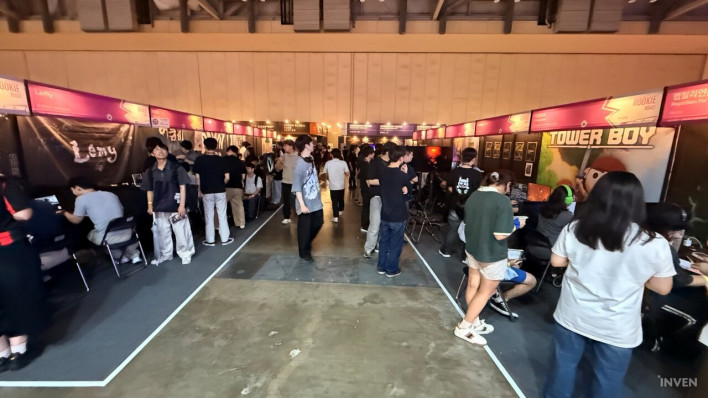
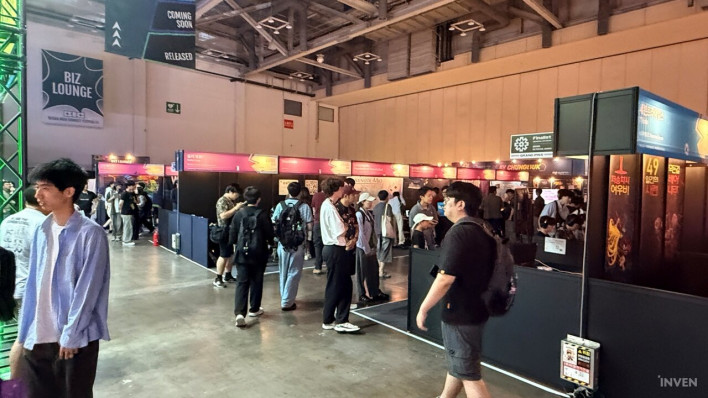
You visited BIC last year and again this year. What did you like, and what would you like to see improved?
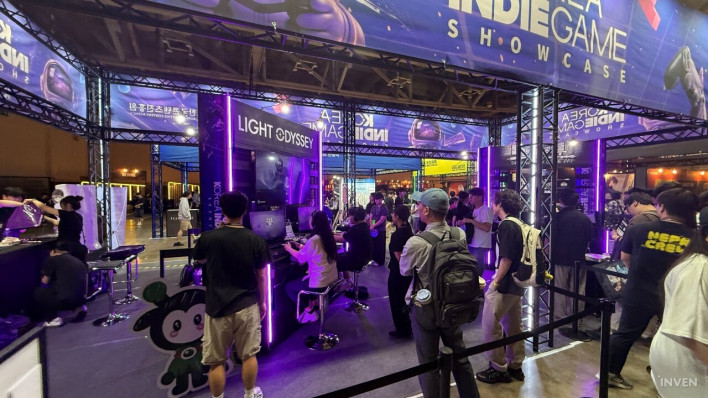
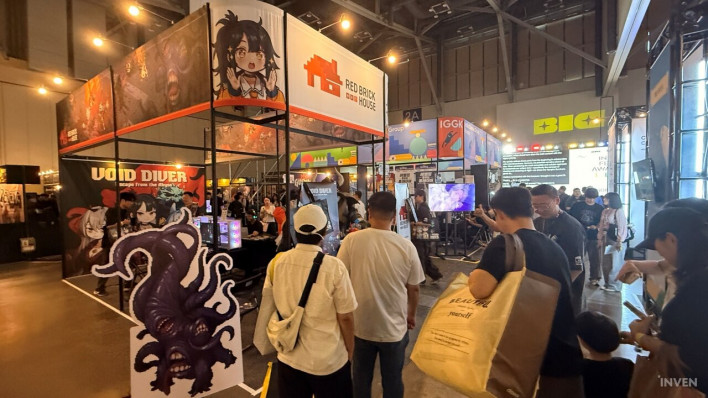
" I've heard that when people think of Korean indie games, they think of BIC. But during my time at SIE, the schedule never aligned because Gamescom and PAX were held back-to-back. After I became independent, I thought, 'I don't have to eat German food anymore' (laughs). So I came to BIC last year and this year, and it was great to eat delicious seafood and encounter various Korean indie games. In particular, the feature of being able to download and try many games from the website in advance was very unique.
As for the future, I hope more visitors will come. Since there are so many great games, I hope more people will come to discover them, spread the word, and further expand the indie game fan base. I think it would be a huge help if everyone who came here joined forces to promote BIC widely.
Another regrettable point is that not many overseas publishers, especially from the West, came. If there are good games, publishers will naturally come to discover and promote them. But when I asked my Western acquaintances before coming, they didn't seem to know much about BIC. Of course, publishers from Asia, including Japan, participated quite a bit. I think that's probably because they are geographically closer and can come relatively easily. In the future, I hope to see more opportunities to promote the event to more publishers and encourage participation from a wider range of regions, so that there are more chances to showcase Korea's excellent indie games to the world.
Could you say a word to Korean game developers, industry professionals, and aspiring creators
" I participated as a panelist at the BIC conference this year, and it was great to have meaningful conversations with Korean developers. I look forward to coming back next year and the year after to continue our exchanges and keep meeting everyone. I hope everyone works together to make BIC even more prosperous, and that the Korean game industry develops further based on that. I look forward to our continued relationship, and I would like to express my gratitude to everyone who welcomed me.